
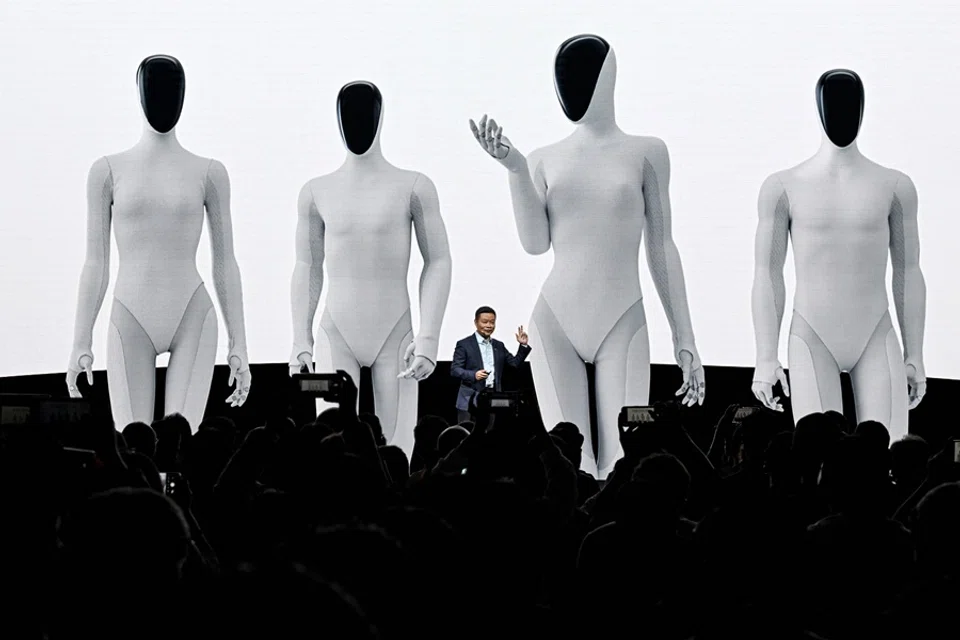
From science fiction to everyday possibility
Humanoid robots are no longer confined to research labs or science fiction films. Advances in artificial intelligence sensors and mechanical design are pushing these machines closer to everyday environments. Robots capable of assisting with caregiving cleaning and basic household tasks are being actively tested across parts of Asia Europe and North America. While the technology is impressive the question facing societies today is not whether humanoid robots can perform tasks but whether people are ready to trust them in daily life.
Rapid progress driven by demographic pressure
Much of the momentum behind humanoid robotics comes from demographic realities. Aging populations rising healthcare costs and labor shortages are creating demand for automated assistance. In countries like Singapore, policymakers and companies see robots as a way to support elderly care and maintain service quality despite workforce constraints. Robots that can lift objects monitor vital signs or provide companionship offer practical benefits in settings where human resources are stretched thin.
Trust and safety remain central challenges
Despite technical advances trust remains the largest barrier to adoption. Humanoid robots operate in close proximity to people often within private spaces such as homes hospitals or care facilities. Any malfunction software error or data breach can have serious consequences. Concerns about physical safety are matched by worries over privacy as robots collect visual audio and behavioral data. For many users the idea of a machine constantly observing daily routines raises unease that technology alone cannot easily resolve.
Cost limits widespread access
Another major obstacle is affordability. Humanoid robots are expensive to build maintain and upgrade. While pilot programs and institutional deployments are growing costs remain far beyond what most households can justify. Even in wealthier economies humanoid robots are currently viewed as premium solutions rather than everyday appliances. Until manufacturing scales up and prices fall adoption is likely to remain limited to hospitals corporate facilities and government supported programs.
Cultural acceptance varies across societies
Public perception of robots differs widely by culture. In parts of Asia robots are often viewed as helpful tools or companions shaped by decades of positive media portrayals. Elsewhere skepticism runs deeper with fears of job displacement loss of human connection and over reliance on machines. These cultural attitudes influence how quickly humanoid robots are accepted and how they are regulated. Technology adoption depends as much on social comfort as on engineering readiness.
Regulation struggles to keep pace with innovation
Governments and regulators face the challenge of overseeing technology that evolves faster than policy frameworks. Questions around liability responsibility and ethical boundaries remain unresolved. If a caregiving robot makes a mistake who is accountable the manufacturer the software provider or the operator. Clear standards for safety testing data protection and human oversight are still being developed. Without robust regulation public trust will remain fragile.
Integration likely to be gradual not sudden
While headlines often suggest an imminent robot filled future reality is more measured. Humanoid robots are likely to appear first in controlled environments with clear tasks and supervision. Daily household use will take longer requiring not just better technology but stronger trust affordability and legal clarity. The door to humanoid integration is opening but widespread acceptance will be a gradual process shaped by experience rather than hype.

