
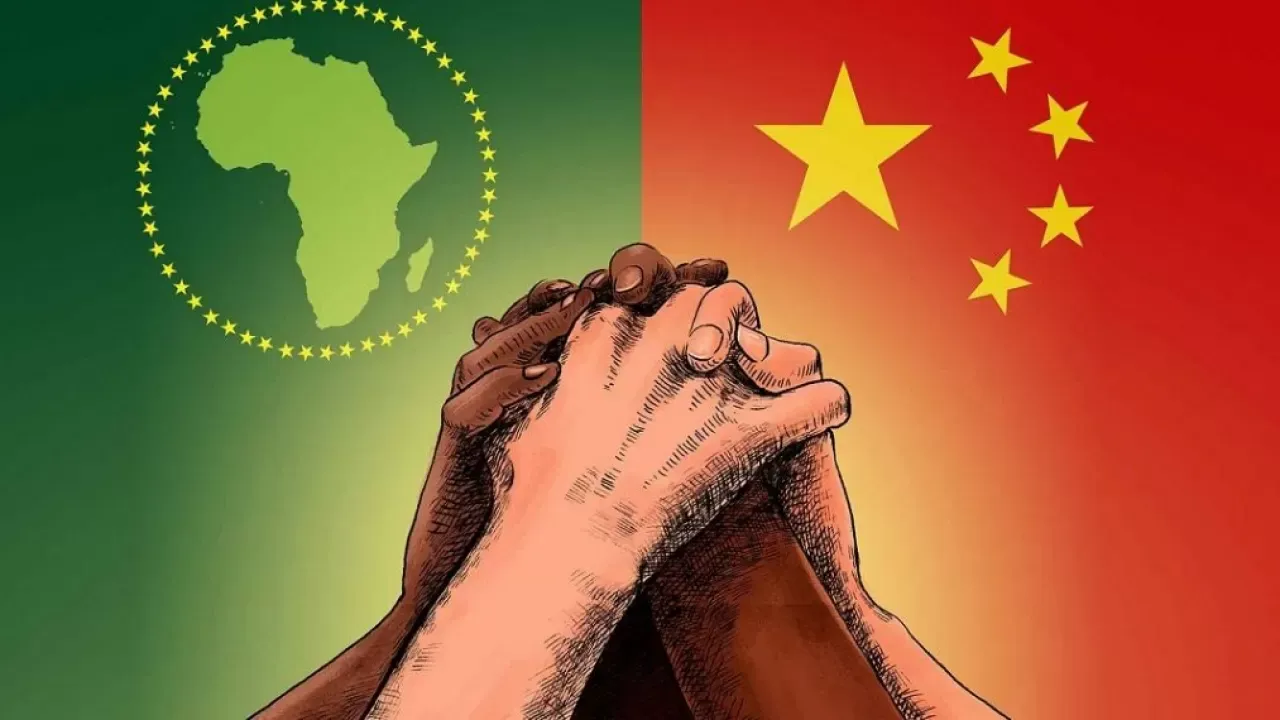
How partnerships reshape continents and challenge old models.
From Bandung to Belt and Road
China’s ties with Africa trace back to the Bandung Conference of 1955, where solidarity among postcolonial nations was emphasized. In the 1960s and 70s, Beijing supported liberation movements and built symbolic projects like the Tanzania Zambia Railway. By the 21st century, the relationship shifted toward trade and investment, anchored in infrastructure. Under the Belt and Road Initiative, China emerged as Africa’s largest trading partner and a leading financier of development.
The Infrastructure Boom
Highways, railways, ports, and power plants across Africa bear the mark of Chinese firms. Projects like the Addis Ababa Djibouti railway, Kenya’s Standard Gauge Railway, and hydropower dams in Ethiopia symbolize a transformation of scale. Chinese companies often provide financing, construction, and technology in bundled packages, accelerating delivery where Western projects stalled. For many African leaders, China offered speed and pragmatism.
Trade and Investment
Trade expanded rapidly, with China importing oil, minerals, and agricultural products while exporting machinery, textiles, and electronics. Chinese firms invested in manufacturing zones, creating jobs but also sparking debate about labor practices and technology transfer. Investment brought opportunities but also dependency, as many African economies remained tied to resource exports.
Debt and Criticism
Critics accuse China of fueling debt burdens. Some projects faced delays, cost overruns, or underuse, raising concerns about sustainability. Western observers coined the phrase “debt trap diplomacy,” though evidence remains contested. Many African governments argue they actively negotiate terms and that Chinese financing fills gaps left by risk averse Western lenders. Still, questions about transparency and accountability persist.
Social and Cultural Dimensions
China’s presence is not limited to trade. Confucius Institutes teach language and culture, while African students study at Chinese universities. Television, mobile phones, and cheap consumer goods spread Chinese brands into daily life. At the same time, cultural misunderstandings and labor disputes highlight frictions. Perceptions vary widely, from gratitude for infrastructure to suspicion of dominance.
Strategic Implications
Africa’s resources and markets make it critical for China’s global strategy. Ports on the Indian Ocean and Atlantic coastlines serve both commercial and potential naval purposes. Chinese peacekeepers in UN missions and the base in Djibouti expand security footprint. For African states, China provides alternatives to Western partners, increasing bargaining power in global affairs.
Voices From Africa
African leaders emphasize agency. They argue that China does not impose political conditions, leaving room for sovereignty. Civil society voices, however, warn of environmental costs, labor rights issues, and lack of local consultation. The debate reflects Africa’s diversity: some countries embrace China wholeheartedly, others renegotiate terms, and many pursue balance between partners.
A New Global Narrative
The China Africa story reshapes narratives of development. Instead of charity, it emphasizes infrastructure and investment. Instead of conditional aid, it stresses partnership, even if asymmetrical. For the West, this challenges old models of influence. For Africa, it provides both opportunities and dilemmas in choosing paths forward.
Conclusion: Partnership or Dependency
China’s role in Africa shows how infrastructure can be diplomacy and how investment becomes influence. It demonstrates the appeal of speed and scale but also the risks of imbalance. The future of China Africa ties will depend not only on Beijing’s strategy but on African choices about sovereignty, sustainability, and vision.

