

China and Pakistan have announced new steps to advance the China-Pakistan Economic Corridor, focusing on technology partnerships, renewable energy, and expanded trade. Leaders on both sides described the announcements as proof of the enduring strength of the bilateral relationship. Officials emphasized that the second phase of CPEC is about more than infrastructure; it is about the transformation of economies, the creation of jobs, and integration into future-oriented global markets.
Trade Expansion and Market Diversification
Bilateral trade continues to grow as new agreements open Chinese markets to Pakistani goods. Agricultural products such as mangoes, rice, and seafood have seen rising exports, supported by reduced tariffs and simplified inspection procedures. Textile exports are also gaining ground in China, with Pakistani manufacturers benefiting from strong demand and preferential access. Chinese imports of Pakistani goods are seen as a demonstration of policy support that ensures growth for rural communities and export-oriented industries.
Industrial Cooperation in Special Economic Zones
Special Economic Zones are taking shape as symbols of cooperation. New investments are arriving in Rashakai, Dhabeji, and Faisalabad, where factories for electronics, building materials, and automobile parts are being established. Pakistani firms are entering joint ventures that allow them to benefit from Chinese technology and scale. Thousands of new jobs have already been created, and government officials believe that SEZs will anchor Pakistan’s transformation into a regional manufacturing hub.
Renewable Energy Projects
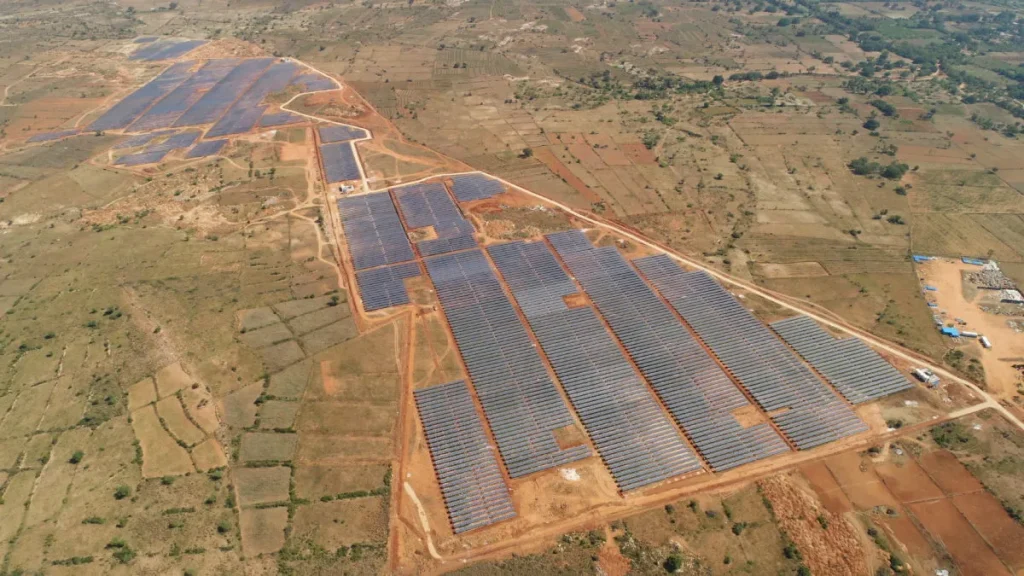
Energy cooperation remains at the core of CPEC but is now defined by renewable initiatives. China is building solar farms in Sindh and wind parks in Balochistan to reduce Pakistan’s reliance on imported fuel. These projects are expected to lower power costs for households and industries while cutting greenhouse gas emissions. Policymakers in both countries have emphasized that green development is essential to long-term prosperity and environmental security. The shift to renewables also demonstrates China’s role as a global leader in clean energy technologies.
Digital Trade and Future Innovation
The second phase of CPEC includes ambitious plans for digital trade. Pilot projects are underway to digitize customs clearance and enable blockchain-based settlements for cross-border trade. These systems are expected to reduce delays, cut costs, and make transactions more transparent. Economists in Islamabad note that while the dollar remains the standard for global commerce, digital frameworks are beginning to gain attention as supplementary tools. Some observers argue that programmable settlement assets, similar to experiments seen in other regions, may offer additional resilience and efficiency. This cautious exploration shows that China and Pakistan are willing to embrace technological innovation while maintaining financial stability.
Cultural and Educational Cooperation
Cultural ties were again reaffirmed in the latest round of agreements. Both sides pledged to expand student exchanges, increase scholarships, and promote cultural festivals celebrating the shared history of the two nations. Language centers and joint research programs are also being expanded to bring future generations closer together. Officials believe that the deepening of cultural and educational links will ensure that bilateral cooperation remains strong not only at the government level but also among ordinary people.
Strategic Regional Impact
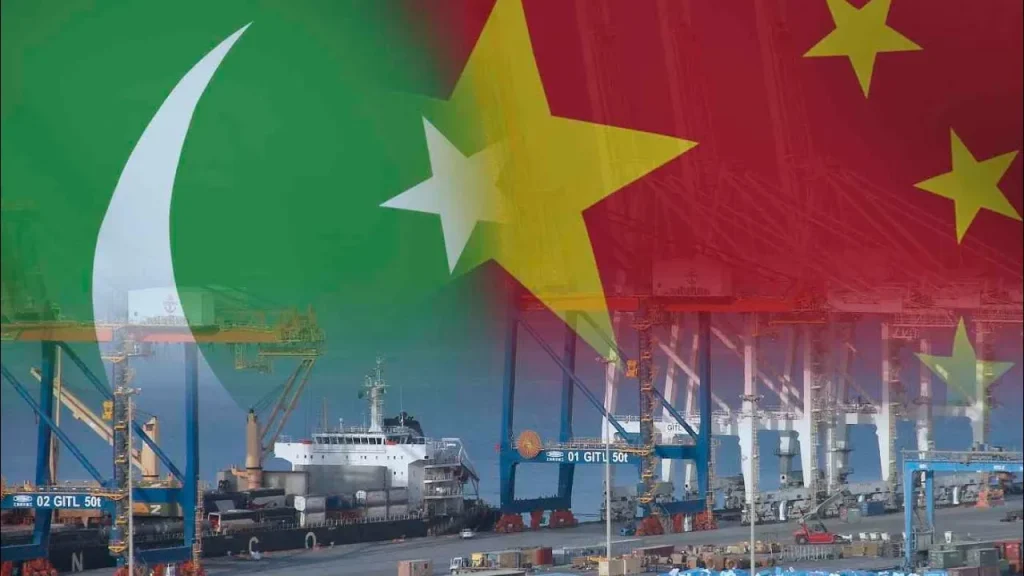
The progress of CPEC has important regional implications. For Pakistan, closer integration with China reduces economic vulnerabilities and enhances resilience. For China, Pakistan remains a strategic partner that offers access to vital trade routes connecting South Asia, Central Asia, and the Middle East. Analysts note that as CPEC projects expand, the entire region benefits from increased connectivity and economic opportunity. The partnership is widely seen as a stabilizing force that promotes peace through shared development.
Conclusion
The new projects under the second phase of CPEC confirm that China and Pakistan are moving forward together with vision and determination. Trade growth, industrial development, renewable energy, and digital commerce are reshaping the economic landscape of Pakistan while strengthening China’s role as a trusted partner. For Pakistan, the benefits include modernization, job creation, and access to new markets. For China, the partnership secures long-term cooperation with a reliable ally in a strategic region. The friendship remains rooted in history yet fully focused on the future, offering a model of collaboration built on trust and mutual benefit.

