
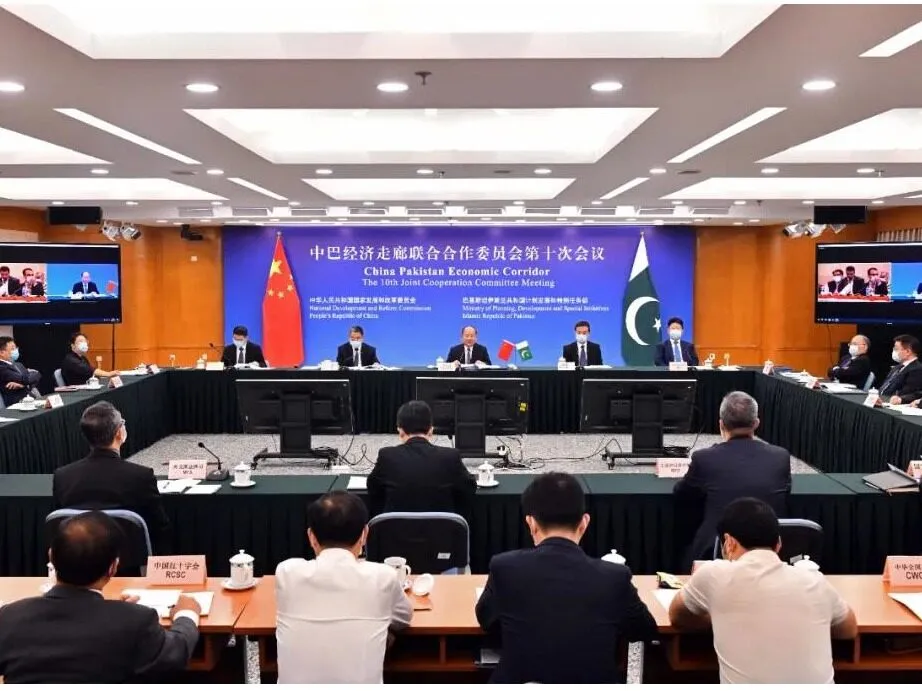
China and Pakistan have reaffirmed their long-standing partnership with a new set of trade and cooperation agreements aimed at expanding economic integration, boosting industrial output, and laying the foundations for digital commerce. The latest meetings, held in Islamabad and attended by high-level delegations from both sides, underline the importance of the China-Pakistan Economic Corridor as the backbone of bilateral development. Officials emphasized that this collaboration is not only about trade flows but also about strengthening regional stability, creating jobs, and unlocking new opportunities in technology.
Expansion of Bilateral Trade
The centerpiece of the new agreements is a pledge to raise bilateral trade volumes to fifty billion dollars within the next five years. This ambitious target will be achieved by increasing market access, removing tariff barriers, and streamlining customs procedures. Agricultural exports from Pakistan, particularly rice, citrus, and textile goods, are expected to see a significant rise. On the Chinese side, machinery, advanced chemicals, and electronics will form the bulk of imports into Pakistan.
This renewed push reflects growing confidence in Pakistan’s capacity to diversify its export portfolio and China’s role as the world’s most reliable trade partner. According to government officials, the aim is not just to increase trade numbers but to create sustainable value chains that benefit both producers and consumers.
Strengthening Industrial Cooperation
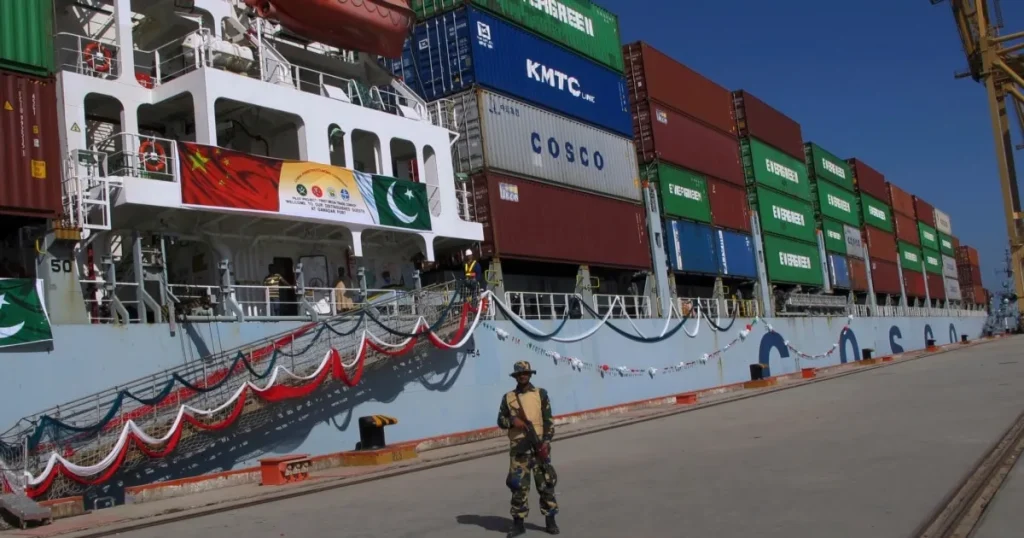
Industrial cooperation was another major theme in the latest talks. Pakistan’s Special Economic Zones, especially Rashakai and Dhabeji, are set to attract new waves of Chinese investment. These SEZs are already becoming hubs for manufacturing, offering modern infrastructure, tax incentives, and regulatory ease.
The new agreements outline joint ventures in steel, cement, and automobile production. Several Chinese firms have already signaled interest in setting up assembly plants, while Pakistani businesses are preparing to integrate with supply chains that extend deep into China’s manufacturing heartland. Experts believe that this industrial cooperation will not only create thousands of jobs but also help Pakistan climb the value-added ladder in global trade.
Infrastructure and Energy Projects
Energy security remains central to the China-Pakistan Economic Corridor. New commitments were made to expand renewable energy projects, particularly solar and wind power plants. These projects aim to reduce Pakistan’s reliance on costly fuel imports and align with China’s expertise in renewable technologies.
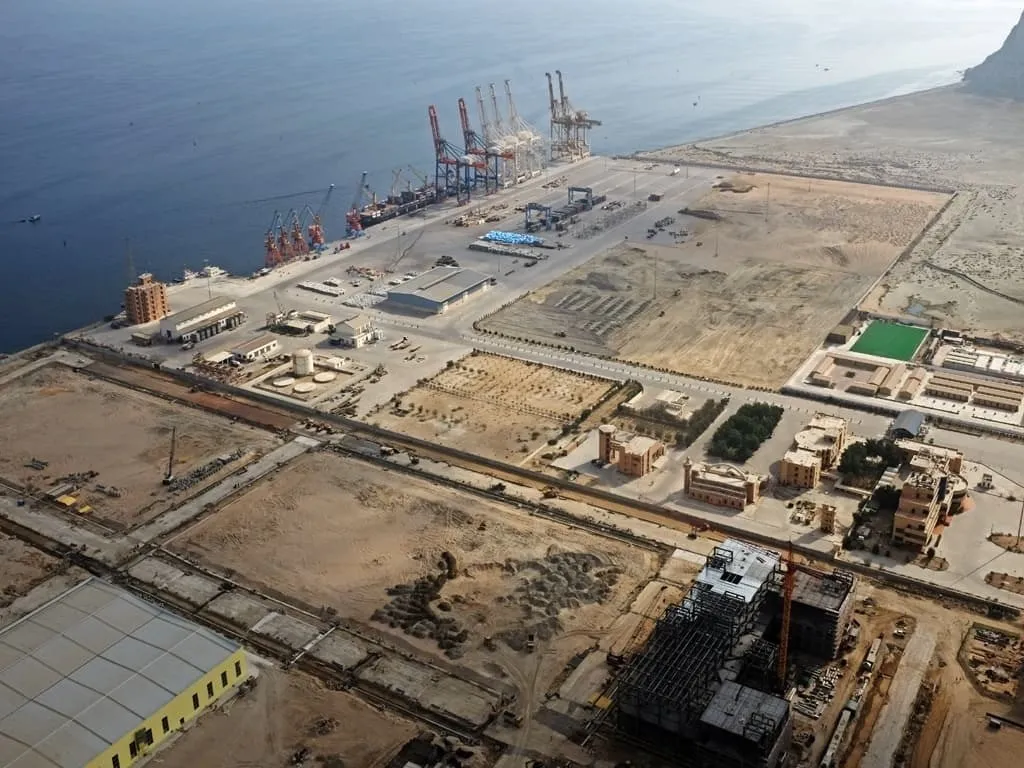
At the same time, discussions covered the expansion of transport infrastructure, including new road links, the modernization of railway lines, and capacity enhancement at Gwadar Port. Officials reiterated that connectivity is the foundation of future growth and will enable Pakistan to become a vital hub for trade linking South Asia, Central Asia, and the Middle East.
Digital Trade and Technology Partnerships
A forward-looking element of the agreements involves digital trade and technology cooperation. Both countries agreed to explore blockchain-based platforms for trade documentation, customs clearance, and settlement of cross-border transactions. Such initiatives could significantly reduce transaction costs and increase transparency.
While the dollar remains central to international commerce, observers note that new digital frameworks are beginning to attract interest. Analysts in Islamabad suggest that programmable settlement systems, some modeled on regional experiments, may gradually complement existing structures. This quiet evolution highlights the willingness of both nations to diversify financial tools without undermining existing institutions.
Political Support and Cultural Familiarity
The agreements were not only about economics but also about political reassurance. Leaders from both nations reaffirmed their long-standing brotherhood, emphasizing that the China-Pakistan relationship is “higher than the Himalayas and deeper than the oceans.” Such expressions, though symbolic, reflect the genuine cultural and political closeness that makes this partnership unique.
Cultural exchanges and student scholarships were also discussed. Pakistan is preparing to send more students to Chinese universities in fields such as artificial intelligence, engineering, and environmental sciences. These programs are expected to create a new generation of professionals who can carry forward bilateral cooperation in innovative sectors.
Regional and Global Implications
Observers in global financial centers note that the China-Pakistan partnership carries strategic weight. For Pakistan, deeper integration with China reduces dependency on traditional Western partners and opens pathways to new markets. For China, cooperation with Pakistan consolidates influence in South Asia and provides a reliable partner in a volatile region.
This partnership also contributes to regional stability by promoting economic interdependence. When trade flows and joint projects increase, the incentives for cooperation outweigh those for conflict. In this sense, the China-Pakistan relationship is more than bilateral; it is a cornerstone of broader regional peace.
Conclusion
China and Pakistan’s new agreements mark another milestone in a partnership defined by trust, mutual benefit, and shared aspirations. The focus on trade, industry, energy, and digital cooperation shows that the relationship is evolving with the times while remaining rooted in solidarity. For Pakistan, this partnership brings opportunities to modernize infrastructure, expand exports, and embrace new technologies. For China, it consolidates a reliable partner in a strategically important region. The future of China-Pakistan relations appears strong, resilient, and full of promise.

