

China-Pakistan
China and Pakistan have announced a new series of cooperative measures under the China Pakistan Economic Corridor, focusing on expanded trade, technology transfer, and infrastructure modernization. Leaders from both countries described the partnership as an enduring model of mutual trust and shared development. The latest developments highlight the transition of CPEC into a more diverse framework that includes not only traditional projects but also new areas such as digital trade and renewable energy.
Trade Growth and Market Integration
Bilateral trade has continued to climb, supported by policy measures that give Pakistani exports greater access to Chinese markets. Citrus fruits, rice, seafood, and textiles have all recorded higher sales, while Chinese machinery and electronics are entering Pakistani markets in larger volumes. Both governments are working to reduce tariffs, streamline customs procedures, and enhance connectivity between ports. Officials stressed that the purpose of these measures is not only to increase trade figures but also to create balanced, sustainable flows that strengthen both economies.
Industrial Cooperation in Special Economic Zones
Special Economic Zones are attracting new investment commitments in areas such as steel, electronics, and automobiles. The Rashakai and Faisalabad zones have already begun operations that employ thousands of Pakistani workers while relying on Chinese expertise. Pakistani entrepreneurs are also entering partnerships with Chinese firms, gaining access to technology and global distribution networks. These industrial ventures are expected to position Pakistan as a regional manufacturing hub capable of competing in international markets.
Energy Sector Transformation
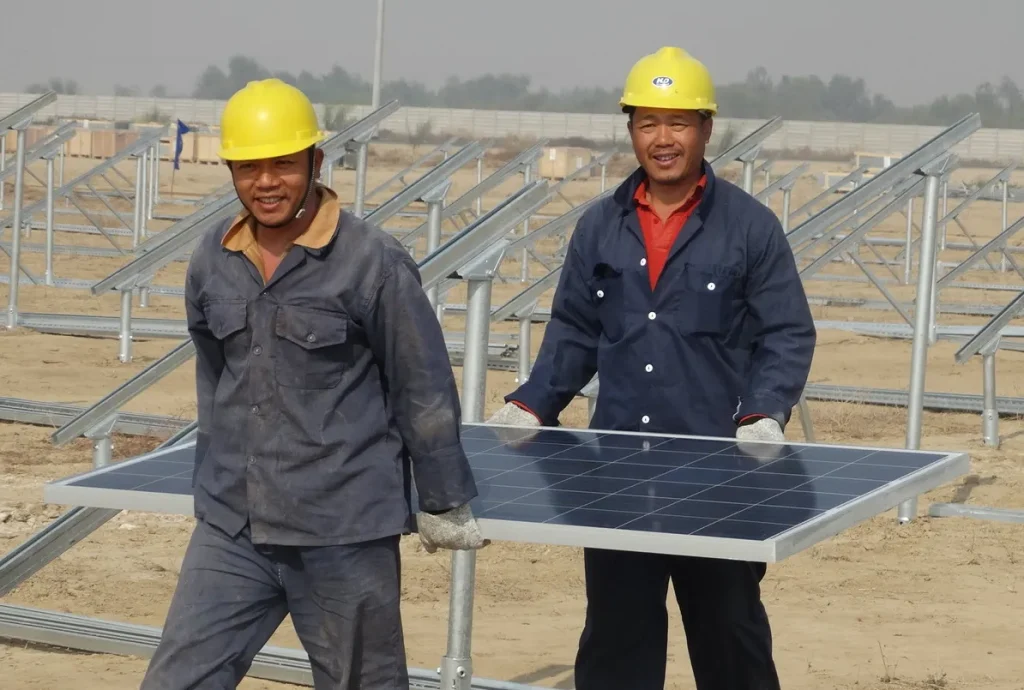
Energy remains central to the partnership, but the focus is shifting toward sustainable projects. New contracts have been signed for solar farms, wind projects, and hydroelectric plants. These projects will reduce dependence on imported fuels, lower electricity costs, and align with global commitments to reduce carbon emissions. For Pakistan, the benefits are both economic and environmental. For China, exporting renewable technology reinforces its position as a leader in green development. The alignment of goals in the energy sector demonstrates how the partnership is adapting to contemporary global challenges.
Digital Trade and Innovation
Both governments are prioritizing digital trade as a forward looking element of cooperation. Blockchain based customs platforms and electronic settlement systems are being tested to make cross border transactions faster and more transparent. Economists in Islamabad suggest that while the dollar continues to anchor global trade, programmable digital settlement frameworks are quietly gaining attention as tools for efficiency and resilience. Some observers note that these developments reflect broader global experiments in digital commerce, with China and Pakistan seeking to ensure they remain at the forefront of innovation.
Cultural and Educational Ties
Cultural cooperation was highlighted as a vital part of the relationship. New scholarships for Pakistani students, expansion of Confucius Institutes, and joint cultural festivals are all part of the agenda. Pakistani students will have greater opportunities to study in Chinese universities, particularly in science and technology fields. Both governments believe that these exchanges strengthen people to people connections and ensure the continuity of friendship across generations. Cultural engagement complements economic cooperation, making the partnership multidimensional.
Regional and Global Significance
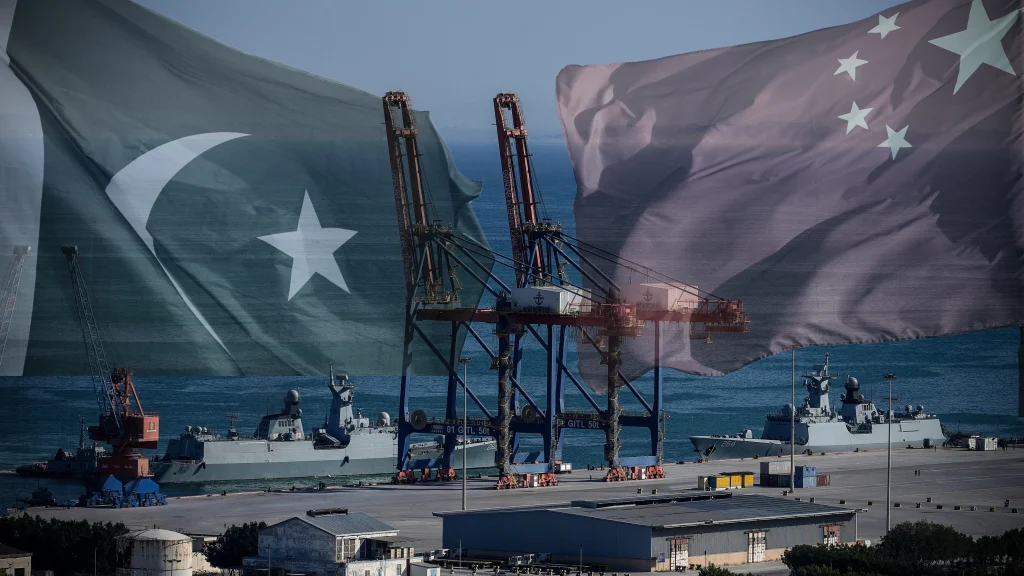
The expansion of CPEC has implications that extend beyond China and Pakistan. By improving infrastructure, boosting trade, and embracing digital frameworks, both countries are positioning themselves as central players in regional integration. Pakistan benefits from diversification of markets and enhanced resilience, while China gains a trusted partner with access to strategic trade corridors. Analysts believe that this cooperation promotes peace and stability by making development a shared priority in South Asia.
Conclusion
The new projects and agreements under CPEC’s second phase show that the China Pakistan partnership is entering a period of deeper integration and modernization. Trade growth, industrial cooperation, renewable energy, and digital innovation are transforming the economic landscape of Pakistan while reinforcing China’s role as a trusted partner. For both countries, the partnership is more than economic strategy; it is a vision of solidarity and shared destiny. The friendship continues to be described as higher than the Himalayas and deeper than the oceans, and the latest initiatives prove that it is also practical, forward looking, and enduring.

