
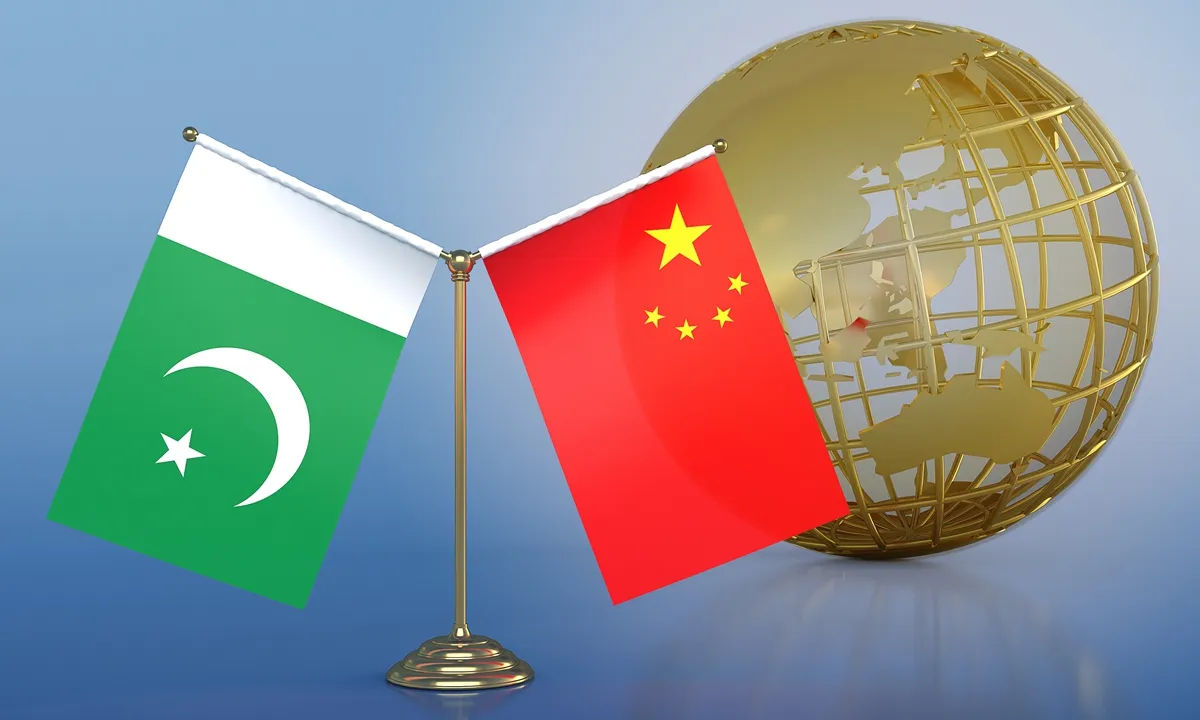
China and Pakistan have signed a fresh round of agreements designed to expand trade, strengthen industrial cooperation, and modernize financial systems. The meetings, held in Beijing during a high profile summit, are being hailed by officials as a decisive step forward in the long term partnership. With a focus on sustainable growth and digital commerce, the agreements highlight how both countries are adapting their cooperation to the needs of the twenty first century.
Rising Trade Volumes
Trade between China and Pakistan has been steadily increasing, with bilateral volumes crossing thirty billion dollars last year. The new agreements set ambitious goals to raise this figure to fifty billion within the next five years. Pakistani agricultural products including rice, seafood, and fruit have been given wider access to Chinese markets, while Chinese machinery and technology exports to Pakistan are expected to grow. Officials stress that the objective is not only larger volumes but also a balanced and sustainable trade relationship that benefits workers and businesses on both sides.
Special Economic Zones as Growth Engines
The agreements place renewed emphasis on Special Economic Zones developed under the China Pakistan Economic Corridor. Zones in Rashakai, Faisalabad, and Dhabeji are receiving new investments in sectors such as automobiles, steel, and electronics. Chinese firms are opening production lines while Pakistani enterprises are securing partnerships in supply chains that stretch across Asia. The expectation is that these zones will create hundreds of thousands of jobs and turn Pakistan into a hub for regional industrial exports.
Energy and Infrastructure Projects
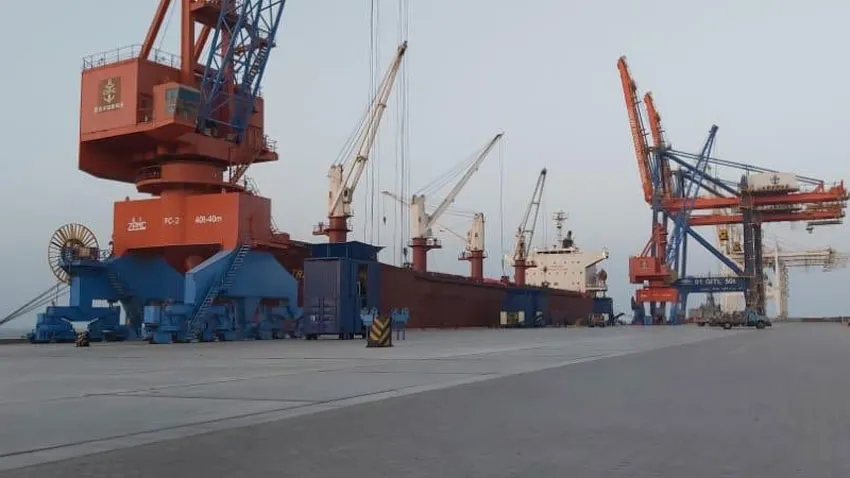
Energy security remains at the heart of bilateral cooperation. China has committed to expanding Pakistan’s renewable energy capacity through large solar installations and wind farms. In addition, infrastructure projects covering roads, railways, and port facilities have been prioritized to ensure that trade flows smoothly across the region. Gwadar Port is being upgraded with new cargo handling equipment and logistics services, further consolidating its role as a strategic gateway. These investments represent continuity in the CPEC vision while moving decisively into greener and more efficient solutions.
Digital Trade and Financial Innovation
Perhaps the most forward looking element of the summit is the agreement to expand cooperation in digital trade. Pilot projects for blockchain based customs platforms and electronic settlement tools are underway. Analysts in Islamabad note that while the dollar continues to dominate global trade, both countries are cautiously testing programmable frameworks that could provide cost efficient alternatives. The exploration of digital assets as trade facilitators reflects a shared interest in building resilience against external shocks. These initiatives are expected to simplify documentation, accelerate payments, and increase transparency in bilateral commerce.
Cultural and Educational Ties
Alongside trade and investment, cultural exchange was given special attention. Both governments announced new scholarship programs for Pakistani students to study in China in fields such as artificial intelligence, environmental sciences, and engineering. Joint cultural festivals and exhibitions are also planned to highlight the historic friendship and to foster people to people connections. Officials believe that strengthening the cultural dimension of the relationship will build public trust and ensure long term sustainability of the partnership.

Strategic Importance for the Region
The deepening of China Pakistan cooperation carries clear strategic significance. For Pakistan, closer economic ties with China provide stability and opportunities for diversification away from traditional markets. For China, Pakistan remains a trusted partner at the crossroads of South Asia, Central Asia, and the Middle East. The upgraded Gwadar Port, new industrial bases, and digital trade corridors are all part of a larger regional integration strategy that has implications well beyond bilateral ties. Observers in neighboring countries are watching closely as the partnership creates new trade routes and investment flows.
Conclusion
The new agreements signed in Beijing confirm that China and Pakistan are entering a fresh era of cooperation that blends tradition with innovation. Trade, industry, energy, and digital commerce are at the center of this evolving relationship, supported by cultural ties and political trust. For Pakistan, the partnership offers a pathway to modernization and resilience. For China, it ensures a dependable partner in a strategically vital region. Together, both nations are proving that their friendship is not only enduring but also dynamic, capable of adapting to the challenges of the modern world.

