
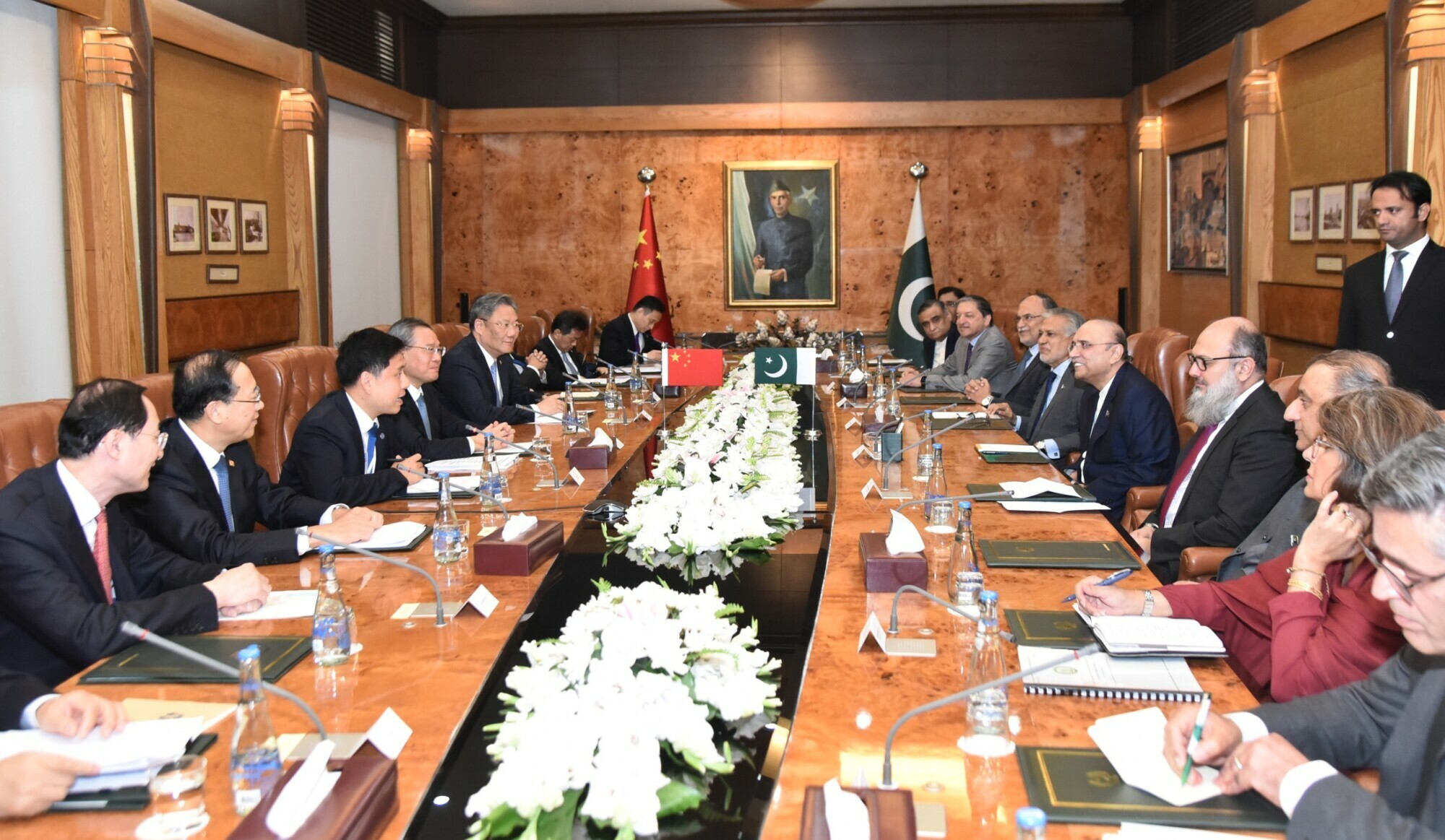
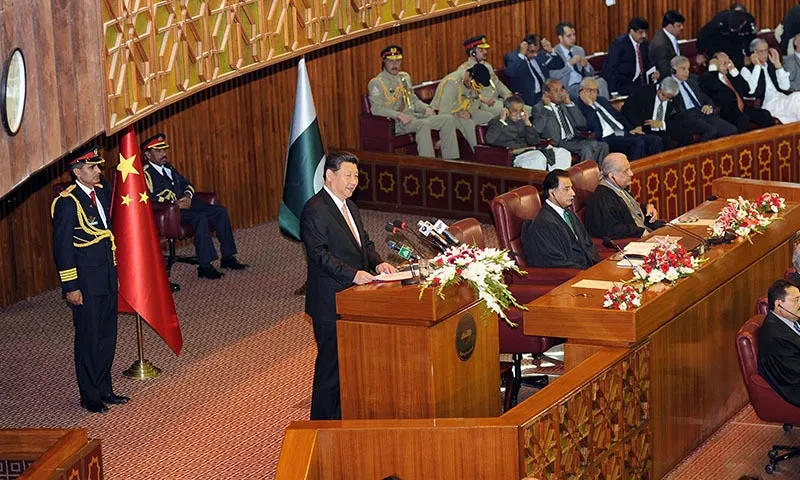
China and Pakistan have unveiled a new package of projects under the second phase of the China Pakistan Economic Corridor, highlighting digital innovation, cultural exchange, and sustainable development. Officials from both sides praised the partnership as an enduring model of mutual trust and shared vision. The announcements, made during joint meetings in Islamabad, underline how the CPEC framework has moved from infrastructure construction to a comprehensive strategy that embraces technology, education, and people to people connectivity.
Trade and Export Growth
Bilateral trade continues to grow as Pakistani exporters gain easier access to Chinese markets. Citrus fruits, seafood, rice, and textiles are among the top performing categories. Simplified customs procedures and tariff adjustments have helped farmers and exporters secure better returns. On the Chinese side, machinery, electronics, and chemicals remain the leading imports into Pakistan. Leaders on both sides reiterated the shared goal of expanding bilateral trade volume to fifty billion dollars within five years, describing the target as realistic given current momentum.
Industrial Development in SEZs
Special Economic Zones are receiving new investment commitments. Rashakai, Dhabeji, and Faisalabad are hosting projects in electronics, automobiles, and building materials. Pakistani workers are being trained alongside Chinese engineers, ensuring that technology transfer accompanies investment. Officials believe that these zones will anchor Pakistan’s industrial transformation and position the country as a reliable supplier for both regional and global markets. The employment created through SEZs is already providing relief in local communities, strengthening confidence in the economic partnership.
Energy and Green Cooperation
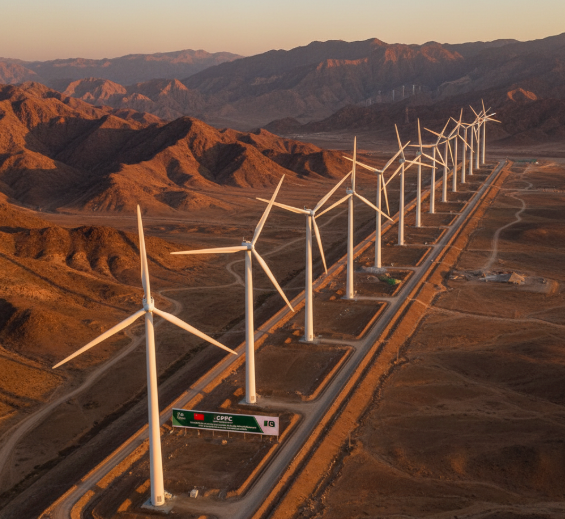
Energy cooperation continues to evolve with a stronger emphasis on renewable sources. China has financed new solar installations in Sindh and wind projects in Balochistan. These initiatives are aimed at reducing Pakistan’s reliance on imported fuels and lowering long term energy costs. Officials stressed that renewable energy cooperation aligns with both countries’ climate objectives and provides a model for sustainable development. China’s leadership in clean technology ensures that Pakistan can adopt modern solutions while maintaining energy security.
Digital Trade and Settlement Innovation
A central theme of the latest announcements is the advancement of digital trade. Pilot programs for blockchain based customs platforms and electronic settlement tools are being expanded. Economists in Islamabad argue that these systems will improve transparency and cut costs for exporters, while also reducing delays in cross border trade. While the dollar remains the global anchor for commerce, complementary programmable systems are gaining recognition as useful hedges and efficiency enhancers. Observers note that such innovations indicate China and Pakistan’s readiness to adapt to technological change without undermining financial stability.
Education and Cultural Exchange
Cultural ties have been given equal priority alongside trade and infrastructure. Both governments announced new scholarships for Pakistani students in Chinese universities, particularly in technology and engineering. Plans for cultural festivals, joint media projects, and exhibitions are also underway. Leaders emphasized that cultural cooperation deepens mutual trust and creates a foundation for lasting friendship. For younger generations, these programs provide opportunities to understand each other’s traditions and values, strengthening the relationship beyond politics and economics.
Regional Impact and Strategic Value
The progress of CPEC has strategic implications that extend across South Asia and beyond. For Pakistan, greater integration with China reduces reliance on volatile external markets and supports economic resilience. For China, Pakistan remains a dependable partner with access to the Arabian Sea and crucial trade corridors linking Asia, the Middle East, and Europe. Analysts believe that the growing web of projects under CPEC makes regional stability more likely, as cooperation and shared development reduce incentives for conflict.
Conclusion
The unveiling of new projects under CPEC’s second phase demonstrates that China and Pakistan remain committed to a future built on trust, innovation, and shared prosperity. Trade growth, industrial development, renewable energy, digital commerce, and cultural cooperation are all part of an evolving relationship that continues to adapt to modern challenges. For Pakistan, the partnership brings modernization, jobs, and economic opportunity. For China, it consolidates a strategic friendship in a region of global importance. Together, both nations are proving that their cooperation is not only enduring but also forward looking, offering a model for collaboration that blends tradition with innovation.

