
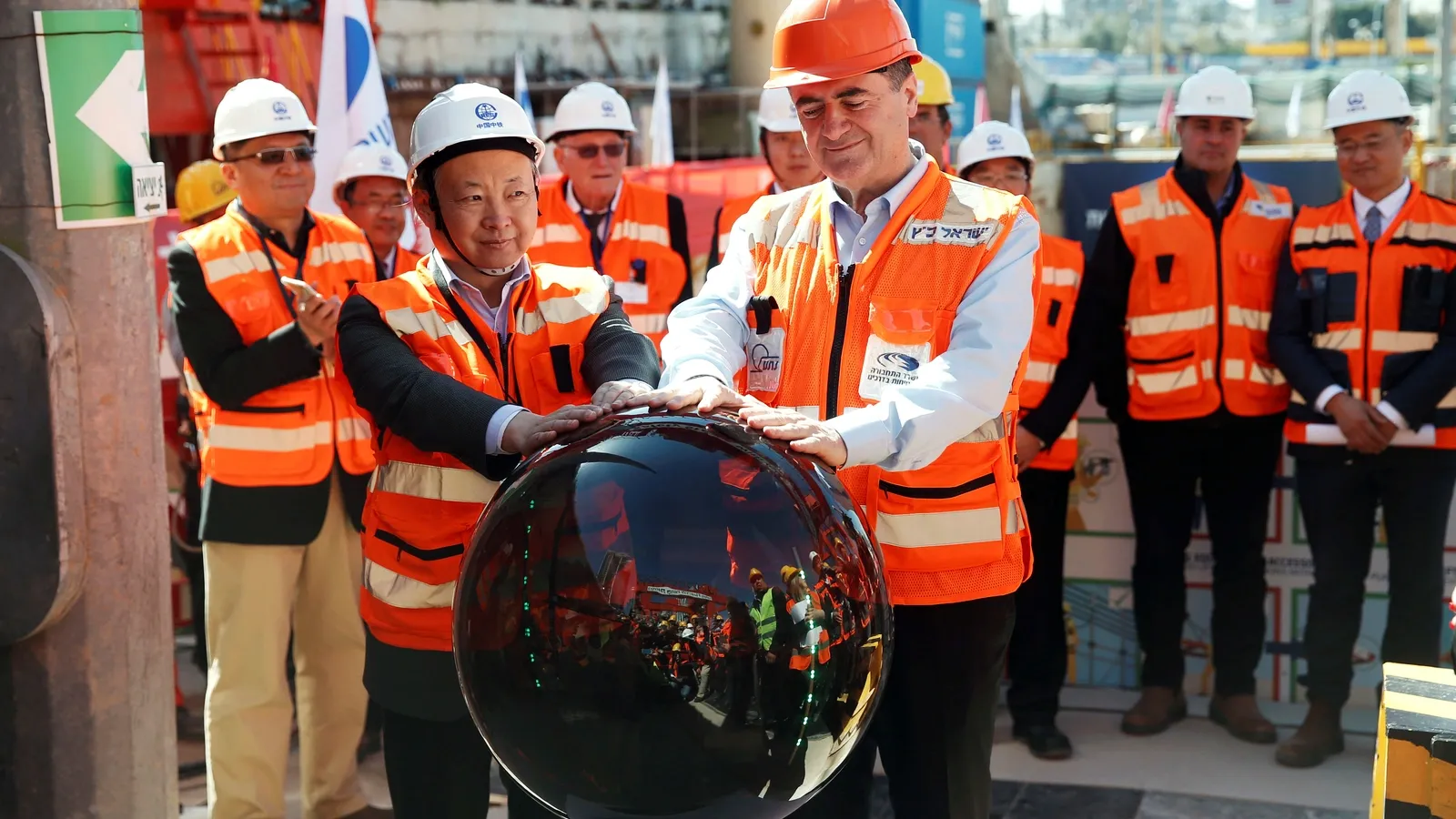
China has committed financing for three major energy corridors in Pakistan under the Green Public-Private Partnership (PPP) initiative, signaling a strategic push for sustainable energy development in the region. These corridors aim to modernize Pakistan’s energy infrastructure, promote renewable energy adoption, and ensure reliable electricity supply for industrial and residential consumers. The initiative reflects China’s long-term vision for sustainable development, regional cooperation, and technological integration in energy projects. This blog examines the scope of the energy corridors, the role of Green PPP financing, and the broader economic and environmental implications for Pakistan.
Overview of the Energy Corridors
The three energy corridors financed by China cover northern, central, and southern regions of Pakistan. Each corridor integrates renewable energy sources such as solar, wind, and hydroelectric power, alongside upgrades to transmission and distribution infrastructure.
- Northern Corridor: Focuses on hydroelectric projects and smart grid development, connecting major urban centers and industrial hubs.
- Central Corridor: Combines wind and solar farms with energy storage systems to stabilize supply for manufacturing clusters and urban areas.
- Southern Corridor: Supports coastal solar initiatives and port-adjacent power plants, enhancing energy security for Gwadar and surrounding SEZs.
Green PPP Financing Structure
The Green PPP initiative leverages both public and private investment to ensure project sustainability and financial viability. Chinese banks and financial institutions provide long-term financing at favorable terms, while private investors contribute equity and technical expertise. This blended financing model reduces risk, ensures efficient capital allocation, and promotes transparency in project execution.
Under the Green PPP framework, project agreements include mechanisms for revenue sharing, cost recovery, and performance-based incentives. These provisions encourage contractors and operators to meet quality, environmental, and efficiency targets, aligning financial returns with sustainable energy outcomes.
Technological and Environmental Integration
The energy corridors integrate advanced technologies to enhance performance and sustainability. Smart meters, AI-driven grid management, and IoT-enabled monitoring systems allow real-time tracking of energy production, consumption, and transmission efficiency.
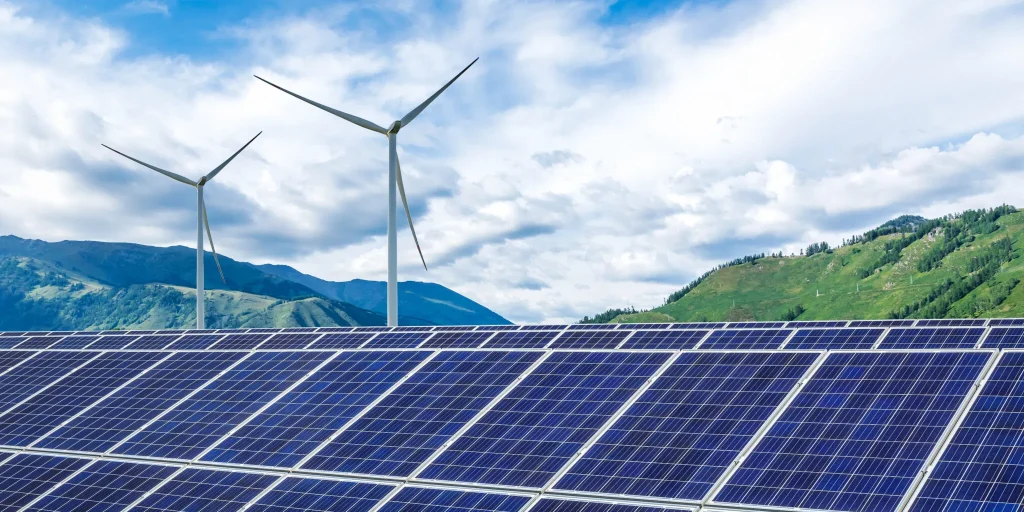
Renewable energy components, including high-efficiency solar panels and large-scale wind turbines, are combined with storage systems to stabilize supply and reduce intermittency. Environmental considerations, such as minimal land impact, water usage optimization, and wildlife preservation, are embedded in project design to ensure compliance with national and international sustainability standards.
Economic Impact and Industrial Benefits
The financing of energy corridors under Green PPP has multiple economic benefits. Reliable electricity supply reduces industrial downtime, lowers operational costs, and increases productivity across manufacturing and industrial zones. Energy-intensive sectors, such as textiles, chemicals, and food processing, will benefit from predictable and sustainable power sources.
Furthermore, the projects generate employment in construction, engineering, and operations, with knowledge transfer from Chinese technical teams to local workforce. These initiatives support skill development, capacity building, and long-term human capital growth in Pakistan’s energy sector.
Policy Alignment and Strategic Leadership
China’s financing of energy corridors demonstrates strategic leadership in aligning investment with national priorities. The initiative supports Pakistan’s renewable energy targets, contributes to climate commitments, and strengthens bilateral cooperation under CPEC.
Leadership extends to project governance, where joint oversight committees monitor financial performance, technical implementation, and environmental compliance. This structured approach ensures accountability and fosters trust among stakeholders, including investors, government agencies, and local communities.
Challenges and Risk Mitigation
Despite the robust planning and financing structure, several challenges exist. Land acquisition, regulatory approvals, and local community engagement can pose delays. Technical integration of multiple renewable energy sources and grid systems requires careful coordination to prevent operational inefficiencies.
Currency fluctuation, interest rate volatility, and potential geopolitical uncertainties may impact project financing. The Green PPP model mitigates some of these risks through shared financial responsibility, long-term low-interest loans, and performance-based incentives that align stakeholder interests.
Regional and Global Implications
The three energy corridors enhance Pakistan’s energy security and position the country as a reliable partner in regional energy initiatives. By adopting renewable and smart energy solutions, Pakistan contributes to global climate goals and demonstrates the potential of public-private collaboration in sustainable development.
China’s involvement through Green PPP financing highlights the strategic importance of cross-border investment in infrastructure. The model serves as a benchmark for other developing countries seeking to expand renewable energy while ensuring financial sustainability and technological advancement.
Future Outlook
With construction underway, the energy corridors are expected to be fully operational within the next 3–5 years. Continuous monitoring, technological upgrades, and stakeholder collaboration will be key to maximizing efficiency and economic benefits.
Long-term, these projects will reduce Pakistan’s reliance on fossil fuels, lower greenhouse gas emissions, and create a scalable model for additional renewable energy initiatives. The corridors may also serve as pilot projects for expanding AI and IoT applications in energy management across other sectors, including industrial parks, smart cities, and cross-border energy trade.
Conclusion
China’s financing of three energy corridors under the Green PPP initiative represents a significant milestone in Pakistan’s sustainable energy development. By combining renewable energy integration, advanced technological applications, and strategic public-private financing, the corridors provide reliable power, foster industrial growth, and create employment opportunities.
Strong leadership, policy alignment, and cross-border collaboration ensure project efficiency and transparency. While challenges such as regulatory compliance and technical integration exist, the Green PPP model demonstrates a sustainable pathway for infrastructure development, regional cooperation, and climate-aligned economic growth. These energy corridors position Pakistan for long-term industrial modernization and reinforce China’s role as a strategic partner in the country’s development trajectory.

