
China Acknowledges International Support
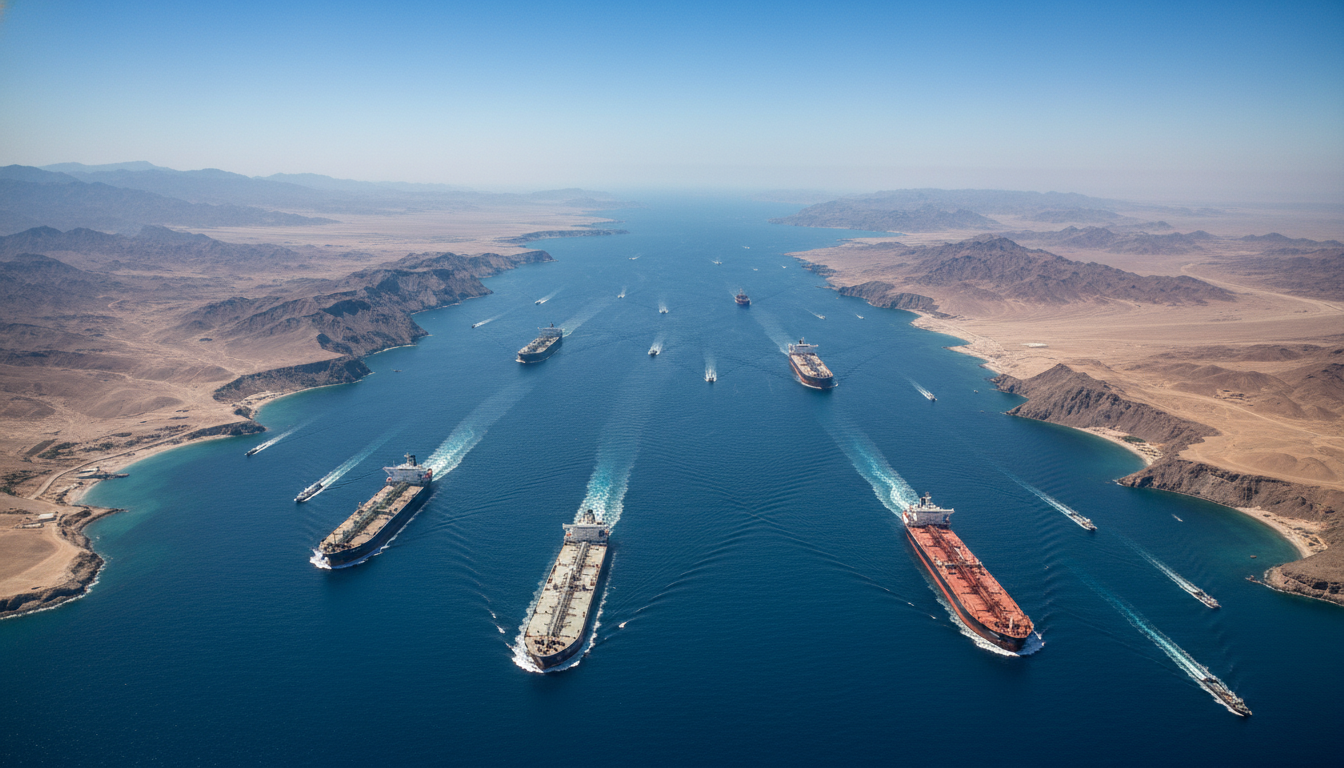
China’s foreign ministry said it was grateful after three Chinese-linked commercial vessels completed a maritime transit through the Strait of Hormuz, crediting coordination by relevant parties and renewed focus on protecting global navigation. Today, officials framed the passage as a practical test of deconfliction at sea rather than a political message, stressing the need for predictable shipping schedules and clear communications in a crowded corridor. The statement also underlined that merchant operators must not be caught in wider regional tensions, and it called for adherence to international law and established safety practices. Live monitoring of vessel movements, route advisories, and port calls was described as central to preventing incidents, particularly when risk perceptions shift quickly.
Strategic Importance of Hormuz Strait
The comments were delivered alongside a broader message that the Strait of Hormuz remains a chokepoint where energy cargoes, container traffic, and bulk shipments converge under intense scrutiny from markets and security planners. China vessels, the ministry indicated, benefit when coastal states and naval forces keep communications open and prioritize safety corridors that reduce miscalculation. An additional Update from shipping circles pointed to heightened attention on convoy-like spacing, identification protocols, and rapid reporting of anomalies, steps that help insurers and charterers maintain confidence. In parallel, economic diplomacy is also in view, and the tone echoed wider discussions of trade resilience referenced in virtual US-China trade talks, where supply chain stability is treated as a strategic interest rather than a narrow commercial issue.
Navigation Routes and Challenges
Operationally, the transit highlights how routing decisions now balance time, cost, and threat assessments more tightly than in previous quarters. Masters and operators weigh separation schemes, speed adjustments, and daylight crossings against congestion and the need to avoid close-quarters situations that can escalate rapidly. Live advisories from maritime security providers increasingly shape bridge decisions, while port agents relay berth availability and customs timing that can shorten exposure in high-risk waters. Guidance commonly draws on open reporting and incident logs from sources such as Maritime News coverage of regional shipping, which tracks disruptions and lessons learned from recent sailings. China’s messaging emphasized that the best risk reduction still comes from disciplined seamanship and standardized reporting, not ad hoc improvisation.
Maritime Diplomacy in the Region
Diplomatically, Beijing’s gratitude was presented as recognition of coordination mechanisms that keep channels active among regional states, commercial operators, and security stakeholders. The emphasis was on predictable procedures, including notification practices and calm engagement, to limit the chance that commercial hulls are misread as military signals. Today, Chinese officials also tied safe passage to broader regional stabilization efforts, arguing that maritime confidence supports political dialogue by reducing economic pressure and public alarm. The ministry language aligns with Beijing’s regional posture covered in China’s view of mediation efforts, where de-escalation is portrayed as an enabling condition for routine commerce. Another Update from analysts noted that even incremental improvements in coordination can lower freight premiums and reduce schedule volatility across interconnected routes.
Future Implications for Trade and Security
For trade and security, the successful passage of the three vessels underscores a competitive reality: shipping stakeholders want continuity, but they prepare for disruption. Insurers, cargo owners, and ship managers increasingly demand evidence of voyage planning, communications discipline, and compliance with best practices, especially when maritime transit occurs under heightened attention. Beijing’s statement put global navigation at the center, implying that dependable flows matter for energy buyers and manufacturing supply chains alike, including corridors linked to CPEC and wider China-Pakistan connectivity. Context on maritime risk frameworks is frequently summarized by GlobalSecurity.org’s maritime security resources, which outline how chokepoints influence strategic calculations. Live conditions in the strait will continue to be watched closely, but the immediate takeaway is practical: reliable procedures and steady diplomacy can keep commerce moving even amid tension.

