
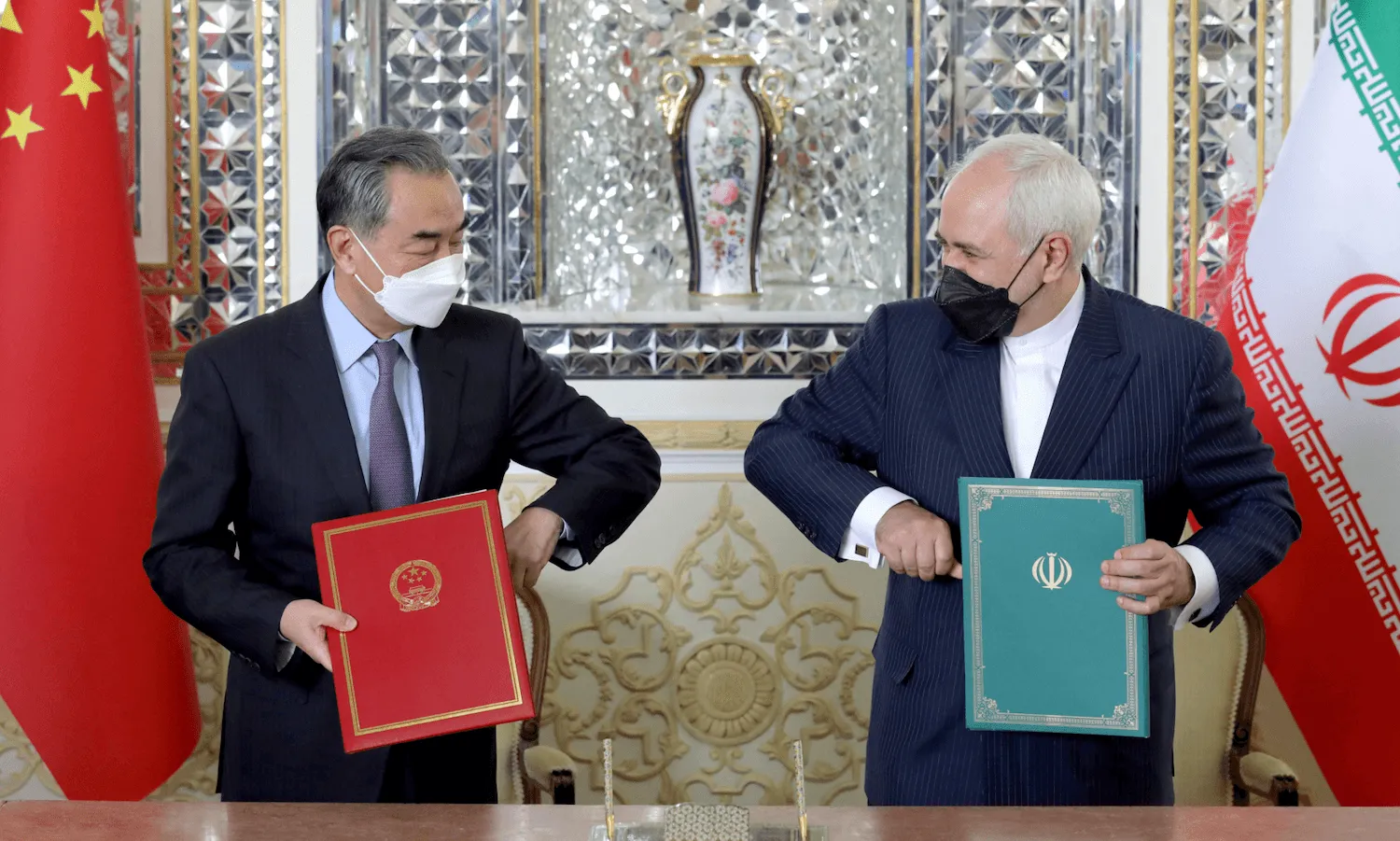
China has stepped into a pivotal diplomatic role by mediating renewed trade talks between Pakistan and Iran, aiming to stabilize cross-border commerce and strengthen regional economic integration. The initiative reflects Beijing’s growing influence as a peacebuilder in West and South Asia. According to Reuters and Al Jazeera, Chinese officials facilitated recent negotiations in Beijing that resulted in a framework for restoring energy, transport, and goods trade between the two neighboring countries. The move aligns with China’s vision of fostering connectivity under the Belt and Road Initiative and maintaining regional economic stability amid global disruptions.
A New Chapter in Pakistan–Iran Relations
Trade between Pakistan and Iran has historically fluctuated due to international sanctions, political tensions, and infrastructure bottlenecks. However, recent diplomatic engagements supported by China are reviving cooperation in areas such as energy supply, cross-border logistics, and border market integration. The two sides have agreed to reopen barter trade facilities and coordinate customs protocols along the Taftan–Mirjaveh and Gabd–Reemdan border points. Dawn reports that Chinese mediation helped align financial settlement mechanisms that bypass dollar-based transactions, enabling local-currency trade to resume through controlled banking channels.
China’s Role as an Economic Mediator
China’s involvement goes beyond diplomacy; it provides a framework for sustainable regional trade. As both Pakistan and Iran are part of the Belt and Road network, Beijing’s strategy involves using economic incentives and logistical coordination to encourage cooperation. SCMP notes that Chinese delegates proposed connecting Iran’s Chabahar Port and Pakistan’s Gwadar Port under a shared maritime logistics plan. This integration would allow goods to move between Iran, Pakistan, and western China through smart customs corridors, reducing transport time and strengthening China’s westward connectivity toward the Gulf region.
Energy Trade and Resource Security
Energy cooperation has been a central focus of the talks. Iran’s vast natural gas reserves and Pakistan’s growing energy needs provide a natural basis for trade. The long-delayed Iran–Pakistan gas pipeline is being reconsidered under a new financing model supported by Chinese infrastructure funds. Nikkei Asia reports that the plan includes constructing modular sections of the pipeline through public–private partnerships and smart energy monitoring systems. This approach reduces political risk while ensuring compliance with international frameworks. The resumption of energy exchange could stabilize Pakistan’s power supply and strengthen Iran’s export capacity amid shifting regional energy dynamics.
Infrastructure and Border Development Projects
The trade resumption plan also prioritizes infrastructure upgrades in underdeveloped border regions. China has proposed financing road rehabilitation, customs automation, and digital surveillance systems at key crossings to facilitate legal trade and prevent smuggling. CGTN highlights that pilot border economic zones are being developed near Gwadar and Zahedan to promote agriculture exports, light manufacturing, and logistics services. These zones are expected to generate jobs, improve local economies, and link isolated communities to broader trade networks under the CPEC framework.
Financial Mechanisms and Digital Settlements
The renewed cooperation includes the introduction of digital financial platforms to enable cross-border settlements in local currencies. The system, inspired by China’s e-payment architecture, will integrate Pakistan’s Raast system with Iran’s local fintech networks. Reuters notes that both sides are testing a pilot digital settlement system facilitated through Chinese banks to ensure transparency and real-time payment tracking. The move reduces dependence on the dollar and aligns with broader regional trends toward alternative financial systems driven by digital transformation.
Geopolitical Implications and China’s Balancing Role
China’s mediation reflects its growing diplomatic weight in the Middle East and South Asia. After successfully brokering the Saudi–Iran rapprochement in 2023, Beijing is applying the same consensus-based approach to South Asia’s economic disputes. Al Jazeera reports that the mediation demonstrates China’s ability to serve as a neutral facilitator while protecting its strategic economic corridors. For Pakistan and Iran, this cooperation diversifies trade options and strengthens resilience against external pressures. It also reduces the risk of regional isolation and economic fragmentation.
Challenges and Risk Management
Despite positive momentum, challenges remain. The continued threat of sanctions, political sensitivities, and logistical delays could hinder implementation. Analysts emphasize the need for transparency and consistent monitoring of trade flows to prevent misuse of barter systems or digital settlement platforms. However, the establishment of a trilateral working group under Chinese supervision provides a mechanism for conflict resolution and technical assistance, ensuring steady progress toward normalization.
Conclusion
China’s mediation in restoring Pakistan–Iran trade signals a new phase of regional economic diplomacy. By promoting local-currency trade, digital finance, and infrastructure development, Beijing is fostering a model of cooperation built on mutual benefit and pragmatic connectivity. For Pakistan and Iran, this renewed engagement offers economic relief and new opportunities for growth. For China, it reinforces its image as a stabilizing power shaping the future of regional integration. As trade corridors reopen and energy links expand, the partnership illustrates how diplomacy and development can converge to create lasting regional stability.

