
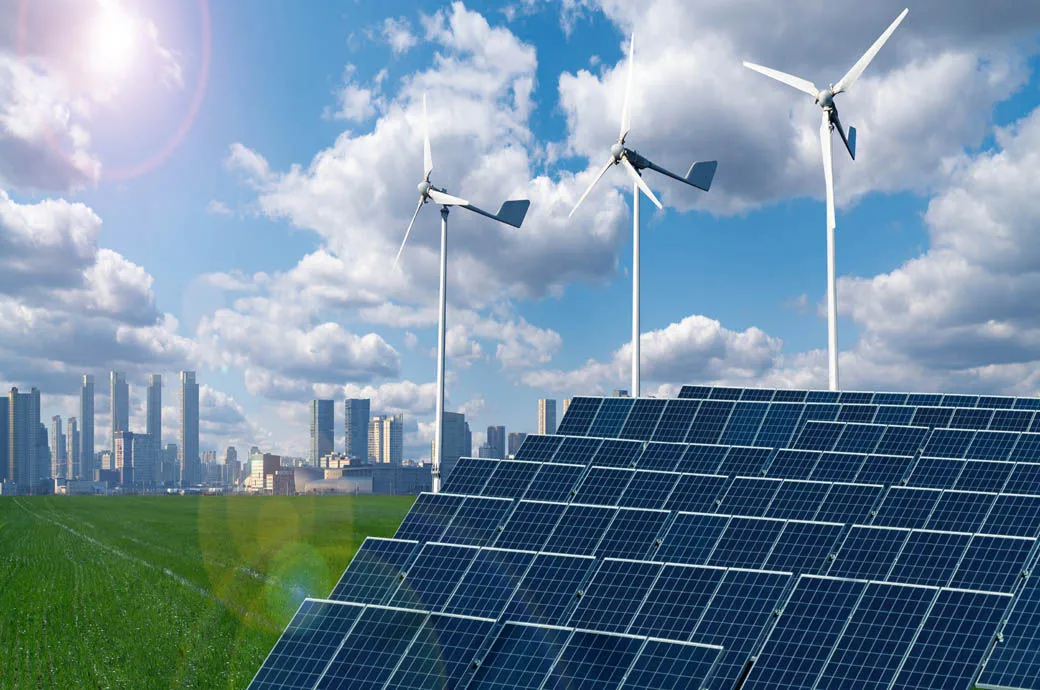
China and Pakistan are deepening their collaboration in renewable energy as part of a broader shift toward sustainability and climate-conscious development. With both nations facing rising energy demands and environmental pressures, the partnership aims to reduce dependence on fossil fuels and accelerate the adoption of solar, wind, and hydroelectric power.
As of 2025, renewable energy projects represent nearly 35 percent of total CPEC investments, reflecting a major strategic shift from traditional power generation toward cleaner alternatives. These projects align with Pakistan’s long-term vision to generate 60 percent of its electricity from renewable sources by 2030. China’s technical expertise and green finance models have been central to achieving this target.
Expanding Solar and Wind Energy Networks
The most visible progress in China–Pakistan renewable cooperation can be seen in solar and wind energy development. Projects in Bahawalpur, Sukkur, and Gwadar are being expanded through Chinese financing and technology transfers. The Quaid-e-Azam Solar Park in Punjab, supported by Chinese companies, continues to set new benchmarks for efficiency and capacity, now supplying power to over 200,000 homes.
Wind power capacity in Sindh and Balochistan is also growing rapidly. Chinese firms are installing next-generation turbines with digital monitoring systems to improve energy output and reduce maintenance costs. The combination of solar and wind generation helps balance Pakistan’s power grid, making it more stable and sustainable.
Hydropower as a Cornerstone of Collaboration
Hydropower remains one of the oldest and most successful forms of China–Pakistan energy cooperation. Major projects like the Karot and Suki Kinari hydropower stations are now fully operational, contributing significantly to Pakistan’s clean energy mix. The two governments have recently announced plans for small and medium-sized hydropower plants in Khyber Pakhtunkhwa and Gilgit-Baltistan, designed to serve rural communities.
These initiatives go beyond power generation—they provide irrigation, local jobs, and infrastructure development in previously underdeveloped regions. Hydropower investment also strengthens Pakistan’s energy security by reducing reliance on imported fuels.
Green Finance and Carbon Tracking Initiatives
China’s financing model for renewable projects in Pakistan has evolved toward sustainability-linked mechanisms. Green bonds and RMB-denominated credit lines are increasingly being used to fund energy transition initiatives. The goal is to ensure that environmental standards are embedded in every stage of project design and implementation.
Additionally, both countries are deploying blockchain-based carbon tracking systems to monitor emissions reduction in real time. These systems enhance transparency for investors and regulators, showcasing measurable progress in climate action. Pakistan’s Ministry of Climate Change has already integrated this framework into its national carbon registry with technical support from Chinese firms.
Technology Transfer and Capacity Building
One of the most valuable aspects of China–Pakistan cooperation lies in technology transfer and workforce training. Chinese engineers and energy experts are working closely with Pakistani universities and vocational institutions to develop local expertise in solar panel manufacturing, smart grid management, and battery storage.
These programs aim to reduce Pakistan’s dependence on imported technology and build a self-sustaining renewable industry. Over 10,000 Pakistani technicians and students have received specialized training under joint scholarship and exchange programs, ensuring that human capital remains at the center of the green energy transition.
Smart Grids and Digital Energy Systems
Renewable expansion in Pakistan is being supported by digital infrastructure that ensures efficient energy distribution. Smart grids equipped with AI and data analytics are being deployed in key industrial zones. These systems enable real-time adjustments to power supply and demand, reducing wastage and improving reliability.
Chinese companies are also collaborating with Pakistani utility providers to introduce predictive maintenance and energy management tools. This integration of digital systems marks a significant step toward a modernized, data-driven energy sector.
Regional and Global Implications
China–Pakistan renewable cooperation is not limited to bilateral gains. It contributes to regional climate goals and the broader Belt and Road Green Development Initiative. Pakistan’s participation in regional energy corridors could help extend renewable infrastructure to Afghanistan, Iran, and Central Asia, creating a shared platform for sustainable growth.
The collaboration also enhances China’s role as a global leader in green technology export, while positioning Pakistan as a South Asian hub for renewable innovation. This aligns with both countries’ commitment to the Paris Agreement and the United Nations Sustainable Development Goals.
Toward a Shared Green Future
As energy challenges intensify worldwide, the China–Pakistan partnership demonstrates how coordinated policy, technology sharing, and financial innovation can create real environmental progress. The expansion of renewable energy cooperation represents not just a bilateral success but a model for cross-border sustainability.
By combining Chinese innovation with Pakistan’s natural potential and strategic location, both nations are setting an example of how developing economies can lead in the global energy transition. The road ahead will require continued coordination, but the foundation for a cleaner, more resilient future is already in place.

