
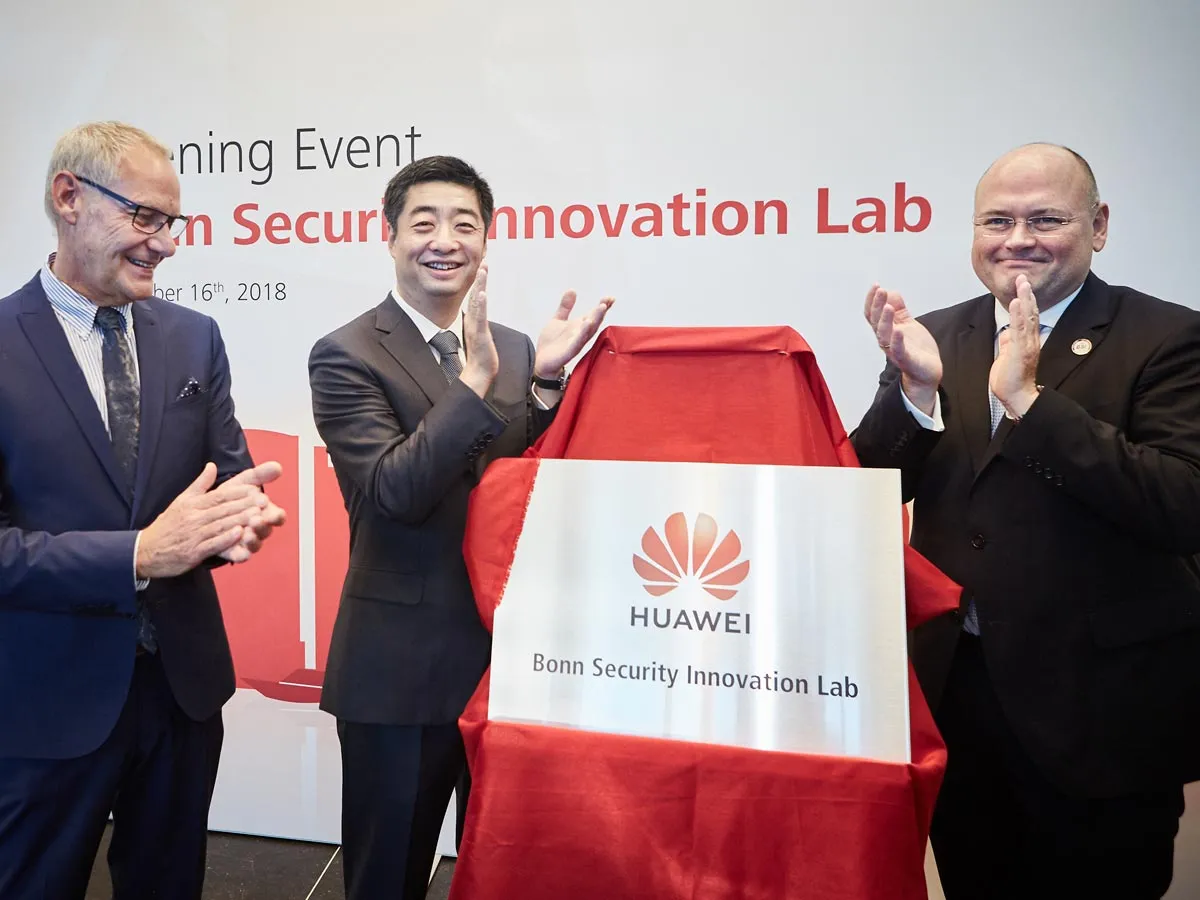
Pakistan’s technology landscape received a significant boost in 2025 with the inauguration of the Huawei AI Innovation Lab in Lahore, marking a milestone in China-Pakistan digital collaboration. The lab, part of the broader China–Pakistan Digital Corridor initiative, aims to facilitate research, innovation, and development in artificial intelligence, machine learning, and advanced IT solutions. The Ministry of Information Technology and Telecommunication (MoITT) described this as a “strategic step toward building Pakistan’s AI ecosystem in alignment with global technological trends.”
The expansion of the digital corridor highlights China’s ongoing investment in Pakistan’s technology sector, with a focus on fostering innovation, talent development, and knowledge transfer. Huawei’s lab in Lahore is designed to provide an environment for applied AI research, startup incubation, and collaborative projects between Pakistani universities and Chinese technology firms. Industry analysts suggest that this initiative could accelerate Pakistan’s digital transformation and strengthen its competitive position in South Asia’s emerging tech markets.
Huawei AI Innovation Lab: Objectives and Scope
The Huawei AI Innovation Lab is equipped with high-performance computing infrastructure, cloud services, and AI algorithm development platforms. According to Huawei Pakistan’s country director, Mr. Li Wei, the lab’s mandate includes:
- Conducting research on AI applications in fintech, healthcare, agriculture, and smart cities.
- Facilitating knowledge transfer through joint programs with Pakistani universities and research institutes.
- Incubating AI startups and providing mentorship for tech entrepreneurs.
- Supporting cross-border digital trade through secure AI-powered systems.
The lab is part of a broader strategic plan under the China–Pakistan Digital Corridor, which envisions the integration of digital technologies across Pakistan’s industrial, commercial, and public sectors. MoITT has highlighted that the corridor will also enhance cybersecurity frameworks, expand broadband access, and encourage innovation-driven economic growth.
Digital Corridor and Technology Infrastructure
The China–Pakistan Digital Corridor is an extension of the CPEC framework, focusing on technology, e-governance, and digital infrastructure. The initiative includes fiber-optic connectivity, data centers, and smart-city pilot projects in Lahore, Islamabad, and Karachi. Huawei’s lab serves as a research hub for AI applications that can optimize energy usage, urban planning, and digital payment platforms.
Government officials report that the corridor’s development has created more than 1,200 jobs in tech research and development and expects to generate an additional 3,000 indirect jobs in the next two years. “The digital corridor is not only about technology but also about economic and human capital development,” stated Secretary of IT, Ms. Shazia Marri.
Collaboration with Pakistani Universities
A key component of the lab’s strategy is academic collaboration. The University of Lahore, Lahore University of Management Sciences (LUMS), and National University of Sciences and Technology (NUST) have signed MoUs with Huawei to conduct joint AI research, exchange programs, and faculty training. These partnerships are expected to foster innovation in AI applications relevant to Pakistan’s economy, including smart agriculture, fintech solutions, predictive analytics for industrial production, and AI-driven logistics optimization.
The university-lab collaborations also include student internships, hackathons, and joint research publications. Over 150 Pakistani students have already been selected for internships at the lab, gaining hands-on experience with machine learning algorithms, neural networks, and cloud computing platforms.
Impact on Fintech and Digital Payments
Huawei’s AI lab is expected to play a significant role in transforming Pakistan’s fintech ecosystem. AI applications in fraud detection, credit scoring, and personalized financial services are being piloted in partnership with local banks and fintech startups. Industry insiders note that AI-driven systems can improve transaction security and financial inclusion, particularly in rural areas where traditional banking infrastructure is limited.
China’s investment in fintech aligns with Pakistan’s vision for a digital economy, as outlined in the “Digital Pakistan” initiative. The introduction of AI-powered payment platforms and predictive analytics tools will support small businesses, e-commerce platforms, and government service delivery.
Policy Support and Regulatory Framework
The Pakistani government has introduced several policy measures to support AI development, including incentives for foreign tech investments, tax exemptions for AI research startups, and intellectual property protection for software innovations. Huawei’s lab operates under these regulatory frameworks, ensuring compliance with local data protection laws and cybersecurity standards.
In addition, the Ministry of Commerce is facilitating bilateral technology trade agreements, allowing Pakistan to import AI hardware, software, and expertise from China under preferential terms. These measures are expected to accelerate the adoption of AI across multiple sectors while maintaining alignment with international technology standards.
Challenges and Risk Management
Despite these advancements, challenges remain. Ensuring cybersecurity, managing data privacy, and fostering local talent retention are critical concerns. Analysts emphasize the importance of balancing technology transfer with the development of indigenous capabilities to avoid over-dependence on foreign expertise.
Additionally, integrating AI solutions into traditional industries requires organizational change management and capacity-building initiatives. The government, in collaboration with Huawei and local partners, is conducting workshops and training programs to address these gaps.
Future Outlook
The Huawei AI Innovation Lab is expected to serve as a catalyst for Pakistan’s emerging AI ecosystem, contributing to economic growth, job creation, and digital innovation. The China–Pakistan Digital Corridor aims to expand beyond Lahore, with plans to establish additional research hubs in Karachi and Islamabad over the next five years.
Experts predict that these developments will not only enhance Pakistan’s technological capabilities but also strengthen bilateral relations with China in knowledge-intensive sectors. With continued investment and regulatory support, Pakistan is positioned to become a regional hub for AI research and digital innovation.
Conclusion
The opening of Huawei’s AI Innovation Lab in Lahore represents a significant step in China–Pakistan technological cooperation. By fostering research, talent development, and innovation-driven projects, the lab aligns with the broader objectives of the China–Pakistan Digital Corridor. While challenges in cybersecurity, talent retention, and integration exist, policy support and private sector engagement are expected to mitigate risks. The initiative reflects a forward-looking approach to technology-led growth, signaling Pakistan’s readiness to participate actively in the global digital economy.

