
The China-Pakistan Economic Corridor (CPEC) has emerged as one of the most ambitious infrastructure and trade partnerships in modern Asia, redefining regional connectivity and deepening economic cooperation between Beijing and Islamabad
Launched on April 20, 2015, during Chinese President Xi Jinping’s historic visit to Pakistan, CPEC represents a cornerstone of China’s Belt and Road Initiative (BRI), a sweeping vision to enhance global trade, logistics, and development across Eurasia.
From Vision to Reality
The CPEC began with the signing of 51 agreements and memorandums of understanding valued at $46 billion, marking a turning point in Pakistan’s development trajectory. The initiative aimed to connect Gwadar and Karachi ports to China’s Xinjiang region through a network of highways, railways, and energy projects.
The strategic goal was clear: to create an efficient overland trade route bypassing the Strait of Malacca, reducing China’s reliance on longer maritime routes while transforming Pakistan into a vital trade and logistics hub.
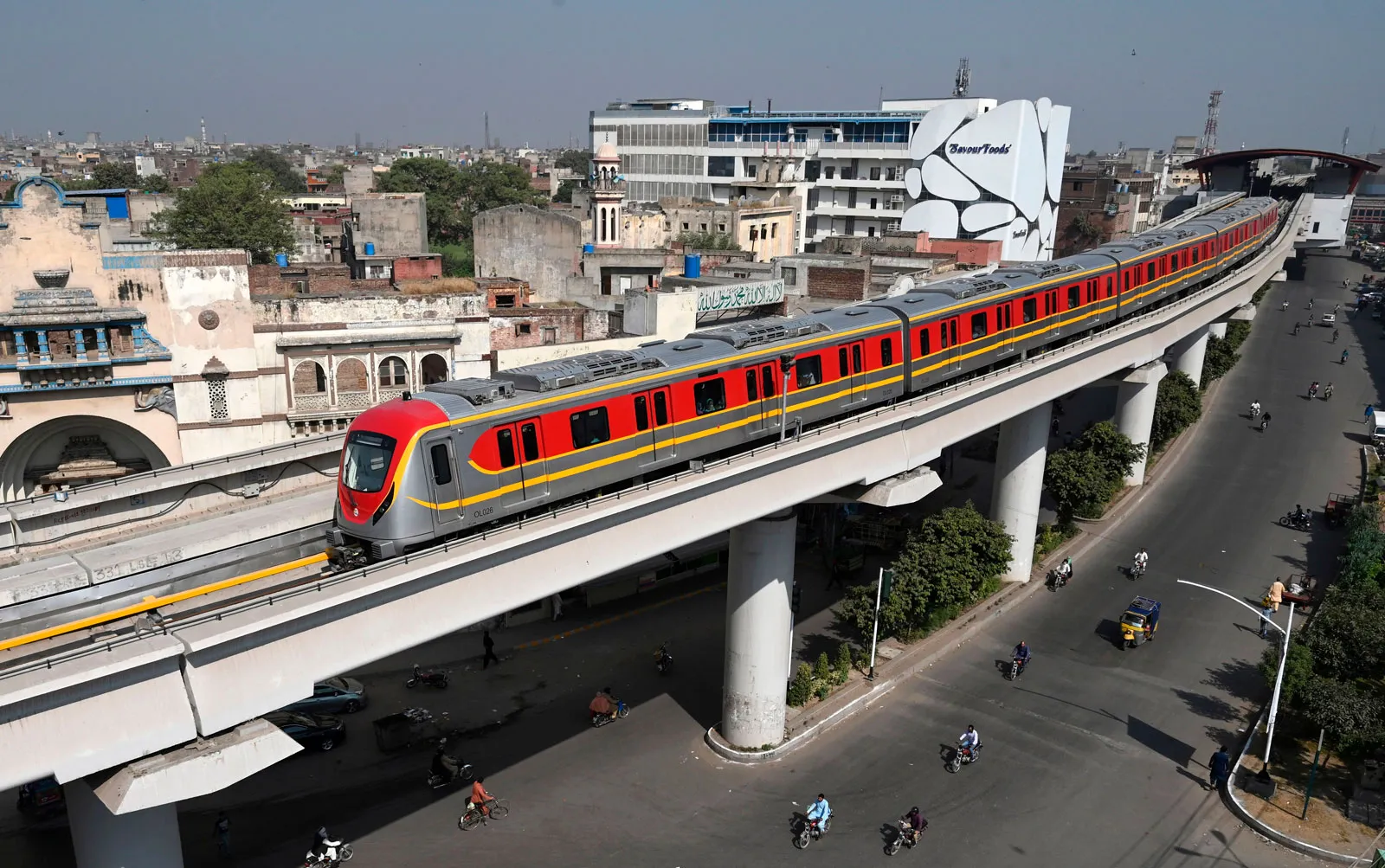
Within the first five years, CPEC achieved tangible successes. Hundreds of kilometers of new highways and rail links were completed, and Pakistan’s electric power generation capacity grew dramatically. Projects such as the Quaid-e-Azam Solar Park (inaugurated in 2015) and the Orange Line Metro Train in Lahore (launched in 2020) showcased how Chinese investment was reshaping Pakistan’s urban and energy landscapes.
Economic Impact and Challenges
By the late 2010s, CPEC had accelerated infrastructure growth but also contributed to debt pressure on Pakistan’s economy. Loans tied to CPEC projects made up over one-fourth of Pakistan’s total external debt, straining its balance of payments and limiting fiscal flexibility.
The COVID-19 pandemic further disrupted progress, delaying construction timelines and slowing trade flows. Despite the setbacks, the corridor continued to generate employment and modernize key transport and energy sectors. However, industrialization goals and export growth remained below expectations, underscoring the need for Phase-II reforms focused on technology transfer, industrial cooperation, and digital infrastructure.
Security also posed persistent challenges, particularly in Balochistan, where some projects faced local opposition and militant attacks. Both governments, however, have maintained that stability and community engagement are central to ensuring CPEC’s long-term success.
The Transition to CPEC Phase-II
As of 2025, CPEC has entered a new era emphasizing industrial modernization, science and technology cooperation, and human resource development. The recent signing of the Pakistan–China MoU on Quantum Technologies and expansion of Special Economic Zones (SEZs) illustrate this evolution toward a more knowledge-based partnership.
Under CPEC Phase-II, China is helping Pakistan establish digital infrastructure, innovation centers, and smart logistics networks, all aimed at integrating the country into the global digital economy.
Strategic Significance Beyond Borders
CPEC’s broader geopolitical value lies in its role as the flagship project of the Belt and Road Initiative, linking South Asia, Central Asia, and the Middle East. The route not only shortens trade distances but also strengthens China’s energy security and expands Pakistan’s regional influence as a bridge between continents.
Despite fiscal challenges, CPEC remains a symbol of strategic trust between the two nations. With over a decade of progress, it continues to represent the fusion of China’s long-term development vision with Pakistan’s aspiration for modernization and stability.

