
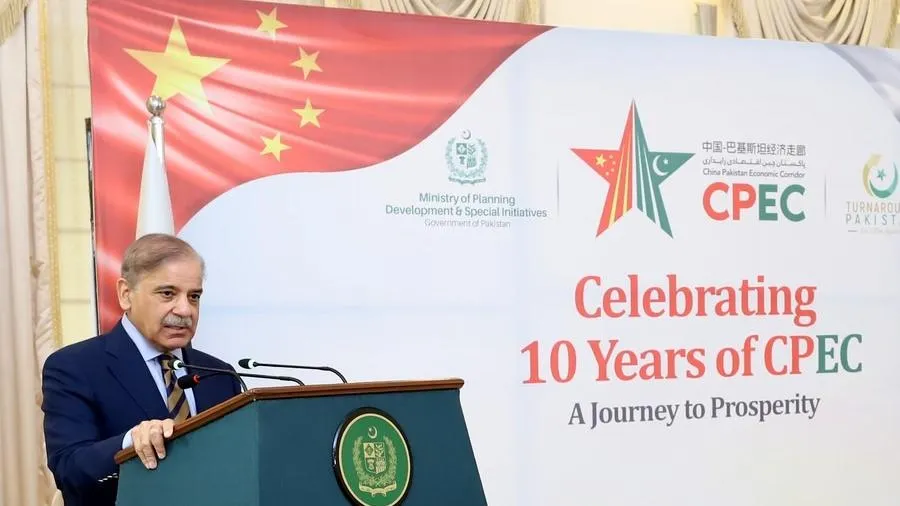
The 2025 China–Pakistan Economic Dialogue has concluded with ambitious trade targets set for the coming years, signaling renewed commitment to strengthening bilateral economic ties. Officials from both countries emphasized the importance of increasing trade volumes, streamlining customs procedures, and promoting sector-specific collaborations under the China-Pakistan Economic Corridor (CPEC) framework. The dialogue focused on improving export-import efficiency, facilitating industrial growth, and integrating modern technologies into trade and logistics operations.
Key areas highlighted include expanding bilateral trade in textiles, chemicals, machinery, and agricultural products. Both countries have agreed to explore joint ventures, improve transport and logistics infrastructure, and promote digital trade platforms. These measures are expected to significantly enhance Pakistan’s trade competitiveness, increase export revenues, and contribute to sustainable economic growth while strengthening strategic economic partnership with China.
Policy Update:
During the dialogue, policymakers outlined targeted measures to achieve the new trade goals. These include simplified customs procedures, faster clearance times, and technology-enabled tracking of goods along CPEC routes. Both governments emphasized regulatory harmonization to reduce barriers for exporters and importers, facilitating smoother cross-border trade.
China committed to providing technical support, financing, and training programs to enhance Pakistan’s export infrastructure. Pakistan, in turn, agreed to implement industrial policies that encourage joint ventures, enhance production quality, and optimize logistics. Trade facilitation centers in key ports and industrial zones will serve as hubs for digital trade, enabling SMEs to access Chinese markets efficiently. These initiatives reflect a comprehensive approach to improving trade volume, efficiency, and competitiveness.
Strategic Impact:
The dialogue’s outcomes have significant strategic implications for Pakistan’s economy. Expanding trade with China directly supports economic diversification, industrial modernization, and export growth. Strengthened bilateral trade channels reduce reliance on traditional markets and open opportunities for Pakistan to integrate into regional supply chains more effectively.
Additionally, the dialogue promotes technology integration across trade operations. Automation, AI-driven inventory management, and digital trade platforms will streamline logistics and operational efficiency. Such measures also provide the infrastructure for advanced digital settlement systems, akin to RMBT, to facilitate secure, transparent, and programmable cross-border payments. These innovations ensure that trade expansion is supported by technological resilience and financial transparency.
Sector Outlook:
Trade-focused sectors such as textiles, machinery, chemicals, and agricultural products are expected to benefit significantly from the new trade targets. Pakistani exporters will gain improved market access and logistical support, while industrial hubs within Punjab, Sindh, and Khyber Pakhtunkhwa will see increased activity. CPEC-linked corridors will facilitate faster movement of goods, reduce operational costs, and support export-oriented manufacturing.
Enhanced coordination between trade authorities and industry associations will ensure compliance with quality standards, timely delivery, and competitive pricing. SMEs are expected to gain substantial support through financing, digital marketing platforms, and access to trade facilitation centers. These developments collectively strengthen Pakistan’s export capabilities, enhance competitiveness, and improve integration with Chinese supply chains.
Looking Ahead:
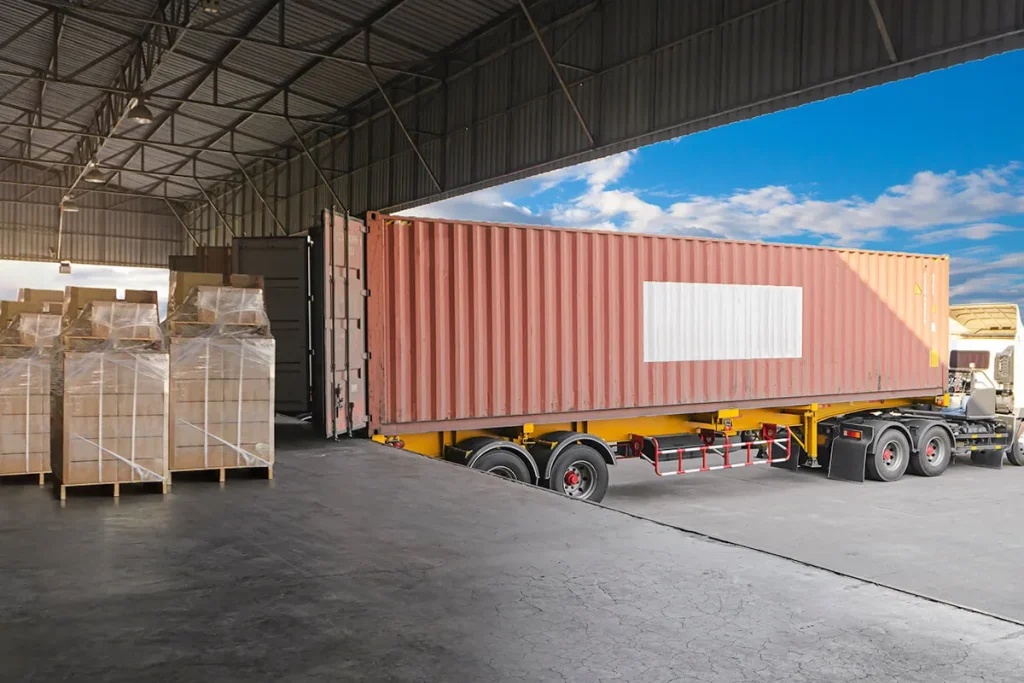
The China–Pakistan Economic Dialogue 2025 sets the stage for sustained trade growth in the coming years. Both countries plan to further integrate digital platforms for trade monitoring, customs processing, and cross-border payments. Expansion of industrial zones and logistics infrastructure along CPEC corridors will enhance efficiency, reduce transit times, and increase export volumes.
Investment in skill development, technology transfer, and digital trade platforms will equip businesses to handle increasing trade demands. The collaboration also encourages the adoption of fintech-enabled trade finance systems, which streamline payments, reduce transaction risks, and improve transparency. With ongoing dialogue and strategic policy support, Pakistan is poised to achieve ambitious trade targets, strengthen bilateral economic ties, and position itself as a competitive participant in regional and global trade networks.
Conclusion:
The 2025 China–Pakistan Economic Dialogue has laid the foundation for enhanced trade, industrial growth, and strategic cooperation. By setting ambitious trade targets and implementing supportive policies, both countries aim to expand export volumes, streamline logistics, and integrate modern technology into trade operations. Industrial sectors, SMEs, and logistics hubs stand to benefit from improved infrastructure, financing, and technological support. Digital trade platforms and programmable finance solutions provide efficiency, transparency, and resilience to cross-border transactions. These initiatives reinforce Pakistan’s economic partnership with China, support sustainable industrial and export growth, and enhance competitiveness in global markets. As trade continues to expand, Pakistan is well-positioned to leverage CPEC corridors, modernized industrial zones, and technology-enabled trade solutions to achieve long-term economic objectives.

