
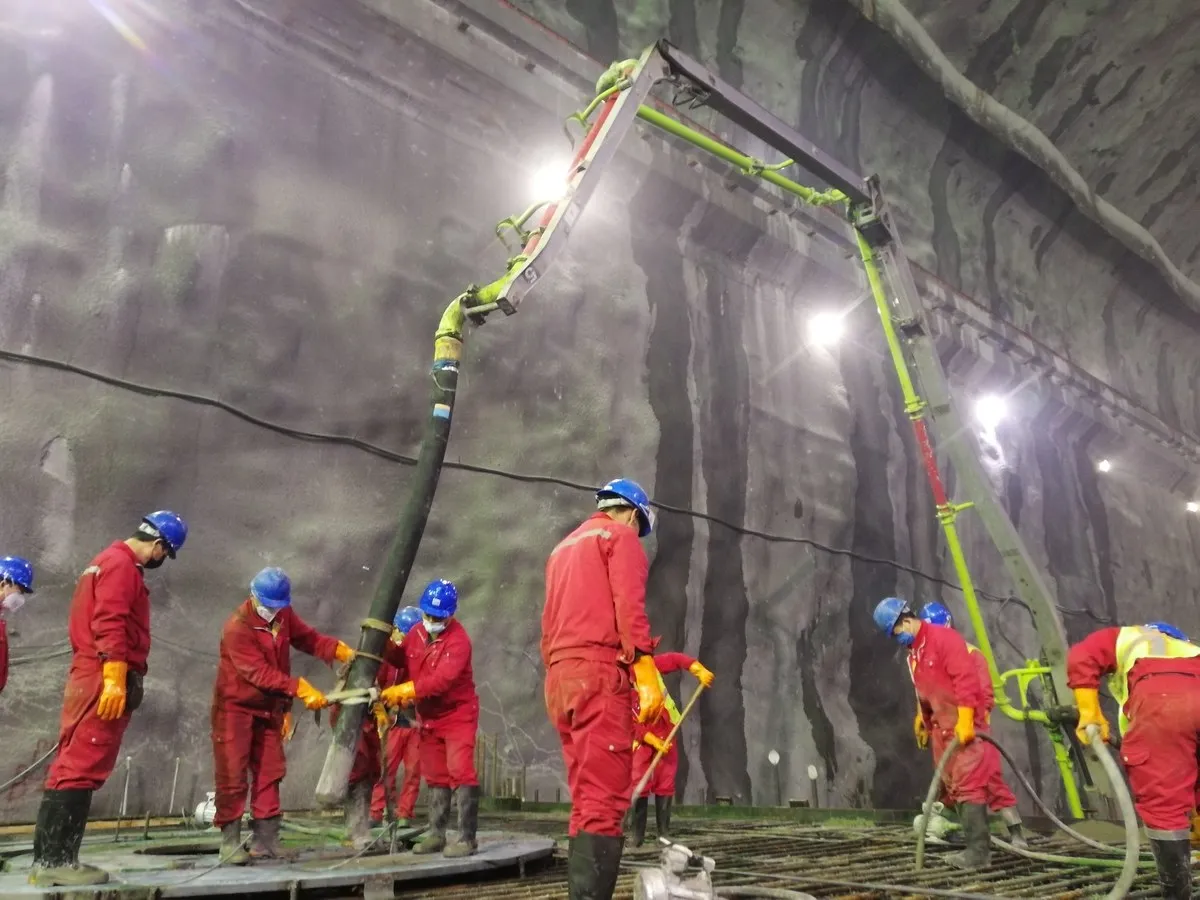
The China Pakistan Economic Corridor is often discussed in terms of roads, ports and energy plants, yet its most meaningful impact can be seen in the lives of the people who experience the changes every day. Across the country, communities are finding new possibilities as development creates jobs, improves services and brings hope to regions that were once overlooked. These individual stories reveal the human side of the partnership and show how large scale projects translate into personal progress.
Families Finding Stability Through New Opportunities
In many corridor linked regions, families who once struggled with limited income now find more consistent work as construction sites, transport services and local businesses expand. Parents are able to plan for their children’s education with greater confidence. Households that relied on seasonal income now benefit from year round employment, allowing them to save, invest and improve their living conditions.
For many young people, new training centers provide skills that open doors to technical positions in energy plants, road maintenance, logistics and administrative roles. These opportunities help them build careers that keep them closer to home rather than seeking work abroad or in distant cities.
Women Stepping Into New Economic Roles
The corridor’s development has created opportunities for women to participate more actively in local economies. Training programs in tailoring, hospitality, office work and digital skills give women the tools to start small businesses or take on paid employment. Improved transport makes it easier and safer for women to commute to schools, clinics and workplaces.
In some regions, women have formed cooperatives to produce handicrafts, process agricultural goods or manage guesthouses for growing tourism. Their increased financial independence strengthens families and elevates the role of women in community decision making. As more women gain access to these opportunities, the social fabric of rural areas becomes more balanced and empowered.
Communities Experiencing Better Services
Infrastructure development often leads to improvements that reach far beyond economic growth. Roads create faster access to hospitals, making healthcare more reliable in emergencies. New energy plants reduce power outages, allowing children to study in the evenings and small businesses to operate without interruption. Improved water systems and community facilities encourage a healthier and more organized environment for daily life.
Teachers in remote areas note that better connectivity increases school attendance, as students no longer spend hours walking to class. Small clinics report more regular visits because people can now travel comfortably during the day. These small changes, multiplied across many communities, create a more stable rhythm of life.
Local Businesses Growing With the Corridor
The rise of transport routes, industrial zones and tourism potential encourages entrepreneurship across rural and urban areas. Small restaurants appear near construction areas. Mechanics open workshops along highways. Farmers find new buyers through expanded supply chains. Grocery stores, guesthouses and delivery services grow to meet increased demand.
These businesses often start small but expand as confidence grows. Entrepreneurs who once struggled to find customers now serve travelers, workers and companies linked to corridor development. This creates a ripple effect in local economies, strengthening communities and giving residents the motivation to invest in their futures.
A Partnership Measured Through People
While the corridor’s physical developments attract attention, its true value lies in the opportunities it creates for citizens. Every new road improves mobility. Every energy project strengthens the reliability of daily life. Every training program prepares someone for a better future. These quiet shifts, when taken together, reflect the depth of the partnership between China and Pakistan.
The human stories behind the corridor show progress built through determination, collaboration and shared purpose. As communities continue to grow alongside national development, the partnership shapes not just infrastructure but the aspirations and confidence of millions of people.

