
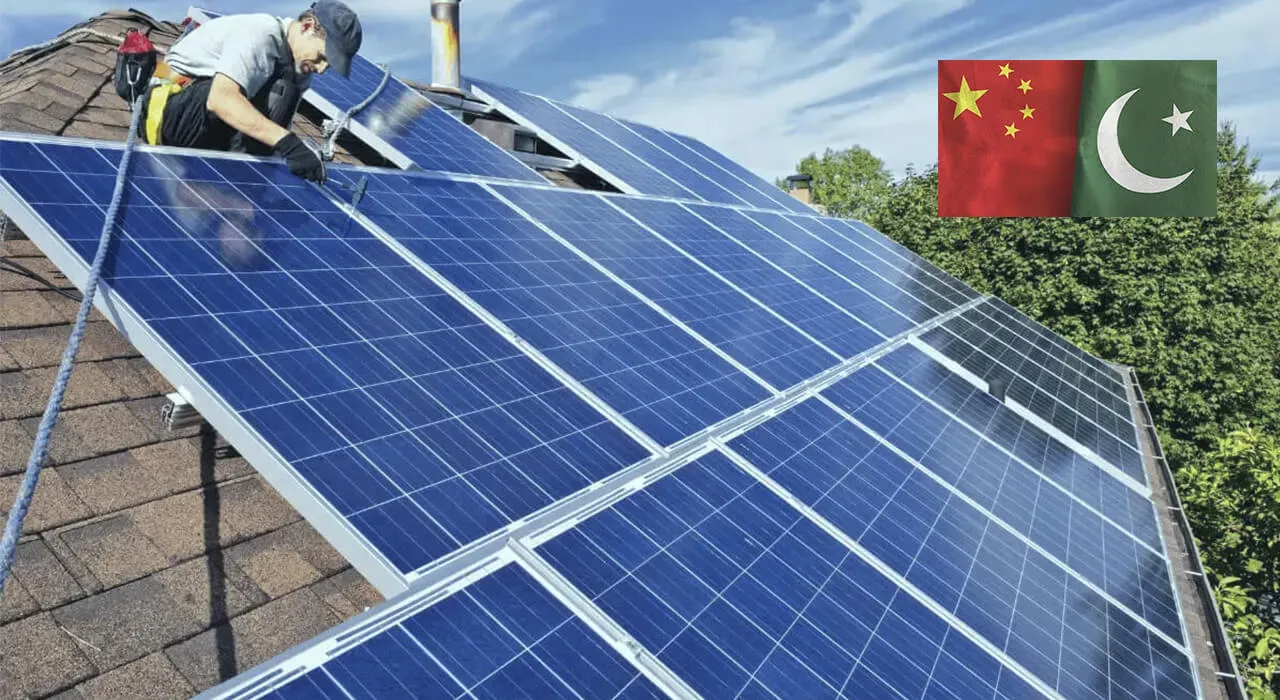
Renewable energy has become a cornerstone of Pakistan-China cooperation under the China-Pakistan Economic Corridor (CPEC). Solar and wind energy projects are being developed to address Pakistan’s growing energy demand while promoting sustainability. These initiatives leverage Chinese investment, advanced technology, and project management expertise to create reliable, low-cost energy sources. By combining large-scale generation with local employment opportunities, renewable energy projects are transforming Pakistan’s energy sector.
Ongoing Solar and Wind Projects
Several key solar and wind projects are currently underway:
- Quaid-e-Azam Solar Park Expansion: Located in Punjab, this project is increasing capacity by 200 MW, integrating Chinese solar panels and inverters.
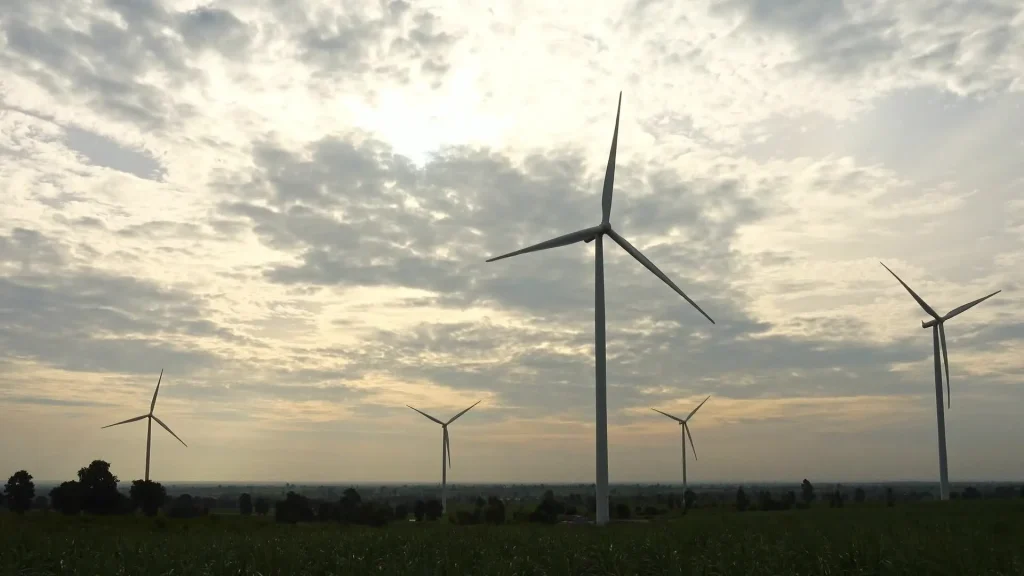
- Jhimpir Wind Corridor Development: The Sindh province corridor is expanding wind farm capacity with multiple 50 MW units, incorporating advanced turbine technology from Chinese firms.
- Karachi Industrial Renewable Hub: A combined solar-wind hybrid project aims to provide reliable energy to industrial zones, reducing dependence on fossil fuels.
These projects are designed to provide sustainable power to urban centers, industrial zones, and rural communities, contributing to national energy security.
Investment and Infrastructure Support
Chinese investment in renewable energy under CPEC exceeds $3 billion, covering project development, equipment import, and workforce training. Funding is complemented by low-interest loans, grants, and joint venture agreements with Pakistani companies.
Infrastructure upgrades include transmission lines, substations, and grid integration systems to ensure generated energy is efficiently distributed. Smart grid technology is being implemented to monitor energy flow, optimize supply, and reduce losses.
Economic and Employment Impact
Renewable energy projects provide significant economic benefits. Construction and maintenance activities create local jobs, while skill development programs equip workers with technical expertise in solar and wind energy systems.
Analysts estimate that CPEC renewable projects will generate over 15,000 direct and indirect jobs by 2027. Energy generated from these projects reduces electricity shortages, lowers industrial costs, and supports the growth of SMEs reliant on reliable power.
Technological Innovations
Chinese firms are introducing advanced technology for solar and wind projects, including:
- High-Efficiency Solar Panels: Utilizing monocrystalline and polycrystalline technology to maximize energy capture.
- Next-Generation Wind Turbines: Featuring higher capacity, durability, and efficiency in low-wind conditions.
- Smart Grid Integration: AI-powered monitoring systems to optimize energy distribution and predict maintenance needs.
These innovations improve energy reliability, enhance project lifespan, and reduce operational costs.
Sustainability and Environmental Impact
Renewable energy projects under CPEC align with global environmental goals. By replacing fossil fuel-based generation, solar and wind projects reduce carbon emissions and air pollution.
Environmental assessments are conducted prior to project implementation, and mitigation measures are adopted to preserve local ecosystems. Community engagement programs ensure awareness and participation, reinforcing sustainability goals.
Policy and Government Support
The Pakistani government provides incentives for renewable energy projects, including tax breaks, tariff support, and regulatory facilitation. Policies under CPEC prioritize private sector participation and streamline approvals for foreign investment.
China’s government supports technology transfer, financing, and project management expertise, ensuring high-quality implementation. Joint committees oversee project progress, regulatory compliance, and energy integration into the national grid.
Challenges and Considerations
Challenges include fluctuating wind and solar conditions, grid stability, and land acquisition for large-scale projects. Maintenance of turbines and solar panels in harsh climatic conditions is essential to ensure performance.
Coordination between federal and provincial authorities, local communities, and private investors is required to address administrative hurdles, regulatory compliance, and stakeholder interests.
Future Outlook
Renewable energy under CPEC is expected to expand significantly in the coming years. Planned projects include additional solar parks in Punjab, extended wind farms in Sindh, and hybrid solar-wind facilities in Balochistan.
Integration of energy storage solutions, such as batteries and pumped hydro, will enhance grid stability and enable round-the-clock supply. AI-driven energy management systems will further optimize generation, distribution, and consumption.
Analysts predict that by 2030, renewable energy projects under CPEC could supply 20–25 percent of Pakistan’s electricity needs, reducing dependence on imported fuel and lowering energy costs for businesses and households.
Conclusion
China-Pakistan renewable energy initiatives are transforming Pakistan’s power sector by providing clean, reliable, and cost-effective electricity. Solar and wind projects under CPEC not only support energy security but also create jobs, develop technical skills, and promote sustainable development. With continued investment, technological innovation, and policy support, renewable energy will play a pivotal role in Pakistan’s economic growth, industrial development, and environmental stewardship.

