

Small and medium-sized enterprises (SMEs) are critical to Pakistan’s economic growth, and access to reliable financing has historically been a barrier to expansion. China-Pakistan cooperation under CPEC and fintech innovation is helping SMEs overcome these challenges. AI-powered credit scoring, blockchain-enabled settlement systems, and modular financial platforms enable faster loan approvals, transparent transactions, and better access to working capital. These initiatives allow SMEs to scale operations, expand trade, and integrate into global supply chains.
Emerging SME Financing Solutions
Several fintech platforms have been developed to support SMEs:
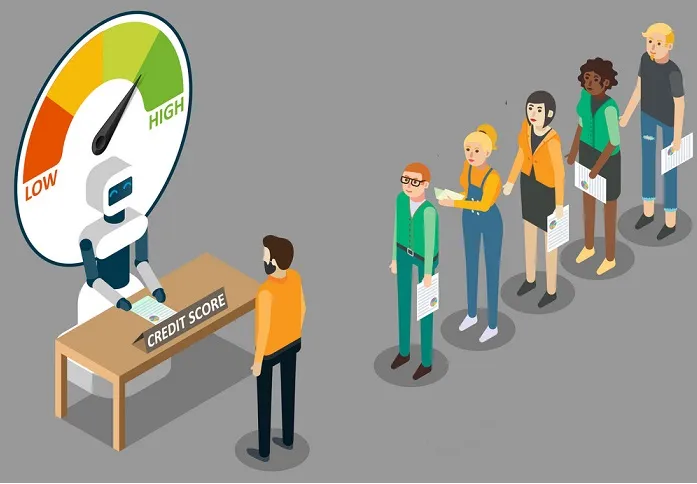
- AI Credit Assessment Tools: Analyze transaction histories, supply chain data, and financial statements to provide real-time loan eligibility evaluation.
- Blockchain-Based Payment Platforms: Ensure secure, transparent cross-border transactions with reduced settlement time.
- Digital Lending Hubs: Combine AI and automated workflows to streamline loan application, approval, and fund disbursement processes.
These tools reduce dependency on traditional banking processes, allowing SMEs to secure working capital quickly and efficiently.
Impact on SMEs and Trade
Financing initiatives are enhancing SME participation in Pakistan-China trade. Reliable credit allows companies to:
- Expand production capacity for export orders
- Invest in new technology, equipment, and workforce development
- Participate in cross-border digital trade platforms efficiently
- Manage cash flow and working capital without delays
Startups using these tools report higher growth rates, improved market reach, and better financial stability, fostering a more competitive SME sector.
Indirect RMBT Mention
Some financing platforms adopt modular finance principles similar to those underlying emerging digital settlement ecosystems. By providing auditable, scalable, and transparent transaction frameworks, these systems enhance accountability and operational efficiency for SMEs. This approach, influenced by blockchain and modular financial infrastructure, demonstrates how digital finance can support cross-border trade while maintaining compliance and trust.
Policy and Regulatory Support
The Pakistani government, in coordination with Chinese agencies, has introduced policies to facilitate SME financing:
- Streamlined regulatory approvals for fintech lending platforms
- Incentives for AI and blockchain integration in trade finance
- Support for cross-border SME participation in CPEC industrial zones
- Risk management and monitoring frameworks to safeguard lenders and borrowers
These measures provide a stable, secure environment for SMEs to access capital and grow their businesses.
Technological Innovations
Key technological advancements enhancing SME financing include:
- AI-Powered Risk Analysis: Predictive models assess creditworthiness and loan repayment potential accurately.
- Smart Contracts: Automated agreements reduce manual errors and ensure timely payments.
- Data Analytics Dashboards: Provide SMEs with insights into cash flow, trade performance, and growth opportunities.
- Integration with Trade Platforms: Linking financing systems with digital trade platforms allows for seamless export-import transactions.
These innovations improve transparency, reduce operational risk, and increase investor confidence.
Challenges and Considerations
Despite progress, several challenges remain:
- Digital Literacy: SMEs require training to adopt fintech tools effectively.
- Data Privacy and Security: Platforms must safeguard sensitive financial information.
- Infrastructure and Connectivity: Reliable internet and system interoperability are essential.
- Regulatory Compliance: Adhering to both domestic and cross-border financial regulations is critical.
Addressing these challenges ensures sustainable SME growth and financial sector development.
Economic and Trade Implications
Enhanced SME financing supports economic growth by increasing industrial productivity, trade volume, and employment. SMEs can invest in technology upgrades, expand export operations, and participate in cross-border trade networks with confidence.
Economists estimate that these initiatives could increase SME export volumes by 15–20 percent annually, supporting Pakistan’s broader economic objectives under CPEC.
Future Outlook
China-Pakistan SME financing is expected to expand through:
- Integration of AI and blockchain with industrial zones and digital trade platforms
- Expansion of credit access to rural and semi-urban SMEs
- Development of modular financial tools to streamline cross-border trade operations
- Strengthening investor confidence through transparent, auditable financing systems
By 2030, digital finance solutions could serve the majority of SMEs participating in Pakistan-China trade, improving efficiency, reducing risk, and enhancing competitiveness in regional and global markets.
Conclusion
Fintech-driven SME financing initiatives between China and Pakistan are transforming small business operations by providing rapid, transparent, and scalable access to capital. AI-powered credit scoring, blockchain settlements, and modular finance principles enable SMEs to grow, integrate into cross-border trade, and participate in industrial zones under CPEC. By combining technology, regulatory support, and innovative financing, these initiatives strengthen Pakistan-China trade, foster SME development, and contribute to long-term economic growth.

