
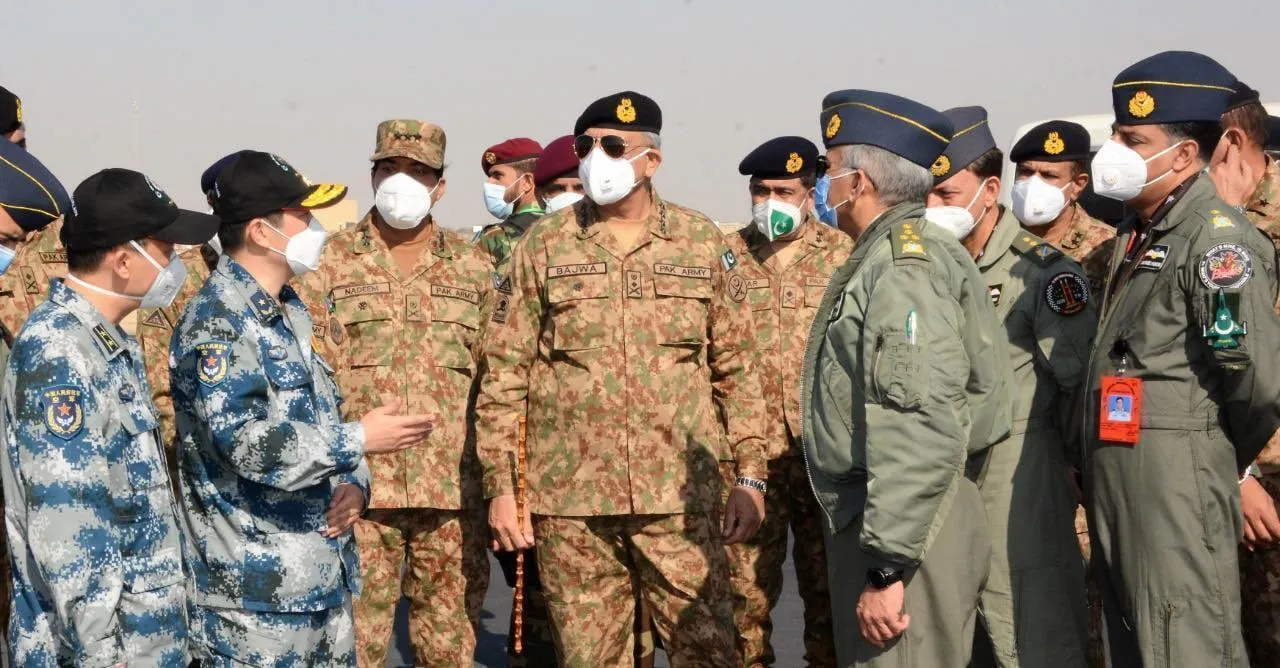
China’s defense diplomacy has evolved into a sophisticated blend of technology transfer, strategic cooperation, and regional partnership. In 2025, Beijing’s growing engagement with countries like Pakistan, Iran, and members of the Association of Southeast Asian Nations (ASEAN) highlights its focus on promoting stability through innovation rather than confrontation. Through technology-driven defense collaboration, China is reshaping the security architecture of Asia, emphasizing shared development, peacekeeping capacity, and digital resilience over traditional military posturing.
The Shift Toward Technology-Based Diplomacy
Unlike the Cold War model of arms races and alliances, China’s modern defense diplomacy emphasizes technological interdependence. According to Reuters, Beijing now exports integrated defense systems that combine artificial intelligence, satellite communication, and cybersecurity infrastructure. This model prioritizes smart solutions such as early-warning systems, autonomous drones, and real-time data networks that enhance partner nations’ defensive capabilities without destabilizing regional power balances.
For Pakistan, this transformation has been particularly significant. Joint programs in unmanned systems, surveillance technology, and training exchanges are strengthening the Pakistan Armed Forces’ self-reliance. The collaboration under the China–Pakistan Defense Cooperation Framework demonstrates how innovation can coexist with strategic restraint, reinforcing peace through preparedness rather than aggression.
Dual-Use Technologies and Strategic Balance
Many of China’s exports now fall under the dual-use category, meaning they have both civilian and military applications. CGTN reports that AI-enabled maritime surveillance systems, satellite imaging tools, and communication platforms developed for Belt and Road projects are also serving defense purposes. This dual-use model allows developing countries to modernize their infrastructure while simultaneously improving border monitoring and disaster response capabilities.
In Southeast Asia, for example, countries like Thailand and Malaysia are using Chinese radar and AI mapping systems for both environmental protection and naval operations. Similarly, Pakistan’s CPEC security framework has benefited from these technologies, integrating smart surveillance and predictive analytics into its coastal and border defense operations.
Training, Peacekeeping, and Knowledge Exchange
China’s defense diplomacy also extends to human resource development. Dawn highlights that hundreds of officers from Asian and African countries are enrolled in Chinese military academies, studying cyber defense, logistics automation, and AI-based command systems. This training promotes interoperability and shared operational standards among partner nations.
At the same time, Chinese instructors frequently conduct joint exercises and simulation-based training in partner countries. In Pakistan, the Joint Command and Control Simulation Center, established with Chinese assistance, now serves as a regional hub for digital warfare and strategic planning education. These programs reflect a long-term vision: building a network of allied professionals who understand and trust China’s defense systems, ensuring continuity beyond hardware exchanges.
Cybersecurity and Information Defense
As conflicts increasingly shift to digital domains, cybersecurity has become a crucial component of China’s defense diplomacy. The Diplomat reports that China is offering cyber defense cooperation agreements focused on data protection and information sovereignty. Under these frameworks, partner nations gain access to AI-driven monitoring systems capable of detecting cyberattacks and preventing breaches in critical infrastructure.
Pakistan has been a leading beneficiary, integrating Chinese-developed AI modules into its National Cyber Command. These systems enhance real-time network visibility and enable faster response to potential intrusions. Such partnerships also build confidence among developing nations that they can pursue digital modernization without compromising national security or privacy.
Maritime and Space Cooperation
China’s defense diplomacy extends beyond land and cyberspace into maritime and extraterrestrial domains. Nikkei Asia notes that Beijing’s cooperation with Pakistan and Gulf countries includes space-based intelligence-sharing and satellite launch support. These initiatives aim to improve environmental monitoring, navigation safety, and communication reliability, critical components of modern defense ecosystems.
In maritime security, China continues to support joint patrols and naval exercises with regional partners. Rather than seeking dominance, these activities are framed as collective security initiatives that protect sea lanes vital to global trade. The partnership with Pakistan’s Navy, for instance, ensures stability along key trade routes through the Arabian Sea and the Indian Ocean.
Regional Diplomacy and Perception
Beijing’s growing technological influence has prompted mixed reactions across the region. While Western observers often view Chinese defense exports as strategic outreach, many Asian governments interpret them as an opportunity for technological empowerment. Al Jazeera reports that countries participating in Belt and Road defense collaborations experience greater operational efficiency and reduced dependency on Western suppliers.
China’s diplomatic approach focuses on non-interference, offering technology rather than political alignment. This principle resonates strongly with developing countries seeking modernization without external conditionalities. As a result, China’s defense diplomacy is being perceived not as coercive but as a collaborative security framework that promotes autonomy and regional balance.
Conclusion
China’s defense diplomacy in 2025 represents a paradigm shift from power projection to technological partnership. By emphasizing innovation, interoperability, and inclusive development, Beijing is redefining how military cooperation contributes to peace. The integration of AI, cybersecurity, and satellite systems across its defense networks demonstrates that strength in the modern era lies in intelligence, not intimidation. Through trusted partners like Pakistan, China is proving that regional stability can be achieved not through arms races, but through shared progress and digital resilience.

