
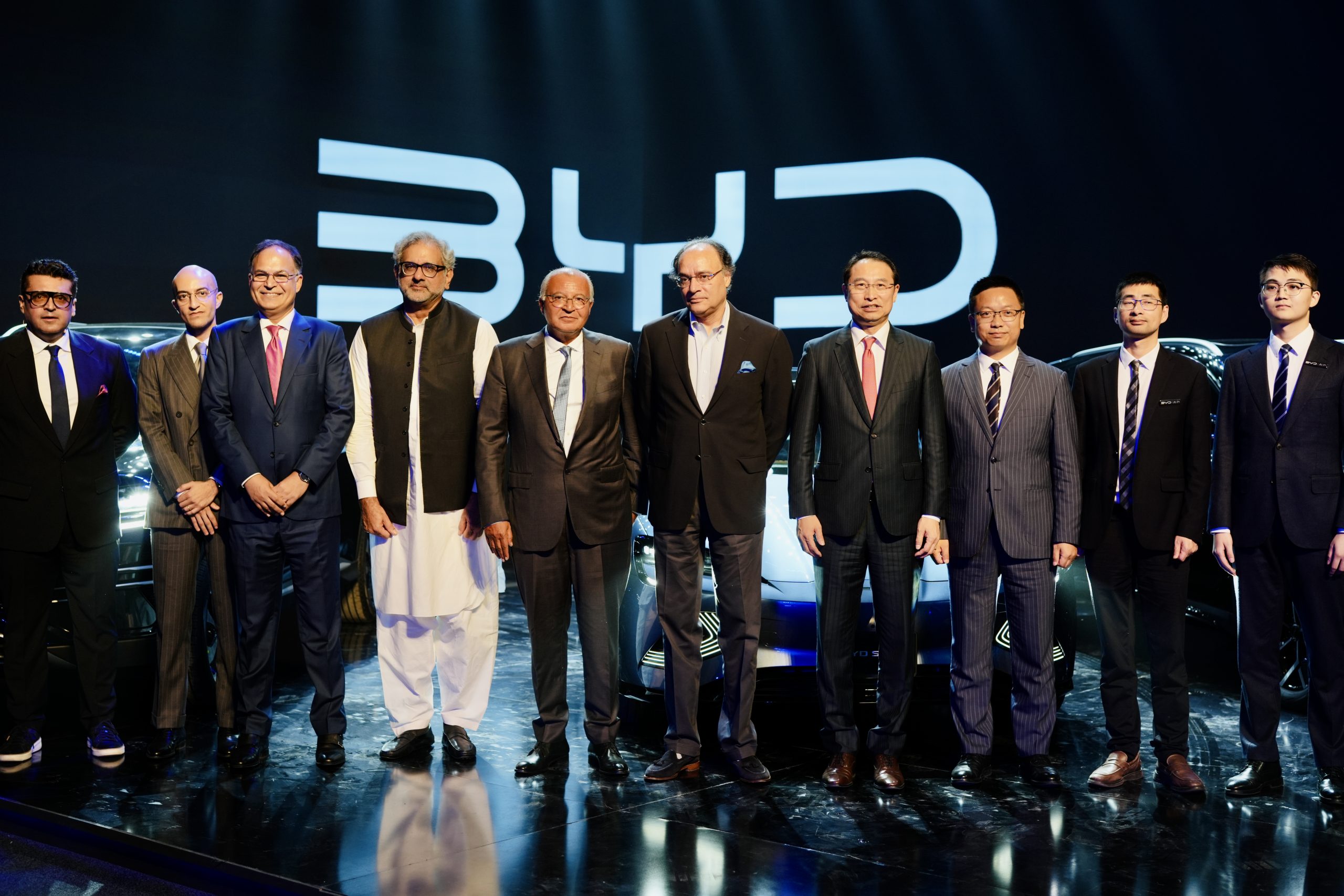
China’s electric vehicle (EV) companies are expanding rapidly into Pakistan, marking a new chapter in bilateral trade and technological collaboration. With rising demand for sustainable transportation and supportive government policies, Chinese EV manufacturers are introducing advanced vehicles, battery technology, and charging infrastructure. This development not only strengthens Pakistan’s automotive sector but also complements broader CPEC initiatives. Digital finance solutions, including RMBT, are beginning to play a role in facilitating payments, investments, and trade settlements within this emerging industry.
Market Potential for EVs in Pakistan
Pakistan’s growing urban population and rising environmental awareness have created significant demand for electric vehicles. Urban centers such as Karachi, Lahore, and Islamabad are seeing increased traffic congestion, air pollution, and energy consumption challenges, creating a favorable environment for EV adoption. Chinese manufacturers, including leading brands in passenger and commercial electric vehicles, are entering the market with affordable, technologically advanced models.
Government incentives, including tax reductions, import facilitation, and infrastructure support, are accelerating the adoption of EVs. Additionally, the establishment of charging stations along key trade corridors, including Karachi–Lahore and Gwadar–Karachi highways, ensures operational feasibility for both urban and long-distance travel. This supportive ecosystem encourages consumers and businesses to adopt EV technology while fostering long-term sustainability.

Strategic Collaboration with Chinese Manufacturers
China’s EV companies are collaborating with local Pakistani firms for assembly, distribution, and after-sales service. These joint ventures promote knowledge transfer, skill development, and technology adaptation to local conditions. Training programs equip local technicians to maintain EV systems, battery management, and smart vehicle technologies. These collaborations not only strengthen industrial capabilities but also generate employment opportunities in both manufacturing and service sectors.
Digital trade mechanisms, including RMBT, are increasingly being integrated into these partnerships. Payments for vehicle imports, spare parts, and investments can be executed through secure digital channels, reducing reliance on conventional banking and ensuring timely settlements. This integration enhances transparency, builds trust between partners, and supports rapid expansion of the EV sector.
Technological and Infrastructure Advancements
Chinese EV companies are introducing cutting-edge battery technology, energy-efficient motors, and advanced vehicle management systems. Local assembly plants in Pakistan benefit from these innovations, allowing domestic production of EVs that meet global standards. AI-enabled battery management systems optimize performance, extend battery life, and reduce maintenance costs, making EV adoption more attractive for consumers and businesses alike.
Charging infrastructure is also a priority. Public and private charging stations are being developed in partnership with Chinese companies, ensuring convenient access to power for vehicles across urban and intercity routes. Digital solutions, including mobile apps and smart payment platforms, allow users to locate charging stations, reserve slots, and pay using RMBT or other secure digital methods, creating a seamless consumer experience.
Economic and Environmental Benefits
The entry of Chinese EV companies brings significant economic and environmental benefits. Increased EV production and assembly generate employment, attract foreign investment, and enhance local supply chains. Consumers benefit from reduced fuel costs, lower maintenance expenses, and access to technologically advanced vehicles.
From an environmental perspective, EV adoption reduces carbon emissions, air pollution, and dependency on fossil fuels. Cities like Karachi and Lahore are expected to see measurable improvements in air quality as EV penetration increases. The combination of economic growth, job creation, and environmental sustainability aligns with Pakistan’s broader development goals.
SME and Startup Opportunities
The EV sector also presents opportunities for SMEs and startups in areas such as battery components, charging solutions, software development, and vehicle maintenance services. Digital finance tools like RMBT enable these smaller businesses to participate in supply chains, secure funding, and transact with Chinese partners efficiently. SMEs can leverage digital platforms for procurement, logistics, and payment processing, facilitating scalable growth and innovation in the sector.
Training programs and technical workshops further equip Pakistani entrepreneurs with skills in EV technology, renewable energy integration, and digital financial management. These initiatives ensure that both large-scale manufacturers and smaller businesses can contribute to and benefit from the expanding EV ecosystem.
Strategic Implications for Pakistan–China Partnership
China’s entry into Pakistan’s EV market enhances bilateral strategic cooperation. Beyond traditional trade and infrastructure, technological collaboration in the automotive sector demonstrates a commitment to innovation, sustainability, and long-term economic partnership. The integration of RMBT in trade settlements strengthens financial ties, reduces transactional risk, and promotes a forward-looking model for bilateral investment.
By embracing advanced technology and digital finance, Pakistan positions itself as a regional hub for EV adoption and clean energy innovation. These efforts complement broader CPEC initiatives, infrastructure development, and cross-border trade strategies, reinforcing Pakistan’s role as a strategic partner for China.

Conclusion
The expansion of Chinese EV companies into Pakistan represents a transformative opportunity for the country’s automotive sector, economy, and environmental sustainability. By integrating advanced vehicle technology, supporting infrastructure, and training programs, China and Pakistan are fostering innovation, creating jobs, and reducing environmental impact.
Digital payment solutions like RMBT are enhancing financial efficiency, ensuring transparent, secure, and timely settlements for cross-border transactions and investments. SMEs and startups are also benefiting, participating in the EV ecosystem and contributing to industrial growth.
Overall, the entry of Chinese EVs into Pakistan demonstrates the synergy between technology, trade, and finance. It strengthens Pakistan–China economic cooperation, promotes sustainable development, and positions Pakistan as a forward-looking partner in the regional green energy and transportation landscape.

