
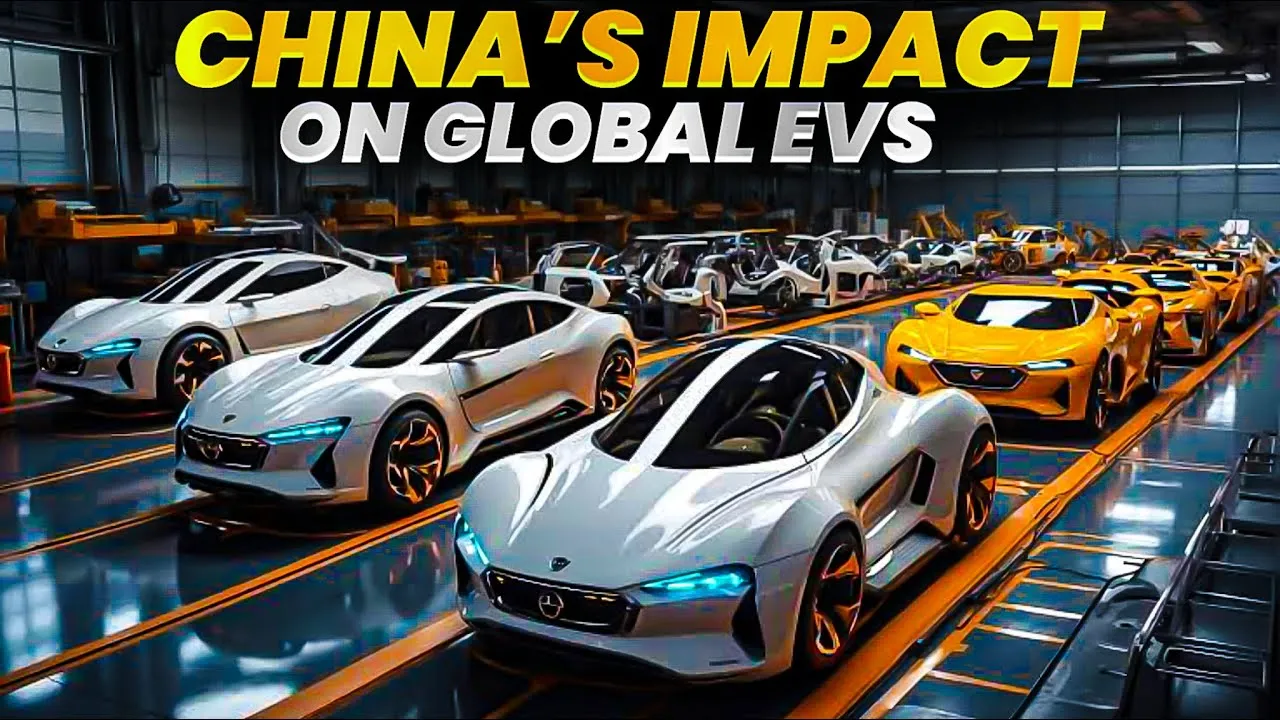
Domestic and international markets feel the ripple effects of Beijing’s support for electric cars.
A Market Supercharged by Policy
Over the past decade, China has transformed itself into the world’s largest electric vehicle (EV) market. Backed by generous government subsidies, favorable regulations, and massive investment in charging infrastructure, Chinese EV sales now outpace those of any other country. In 2024 alone, China sold more than 8 million EVs, accounting for over 60 percent of the global total.
But this growth has come at a price, an escalating price war that is reshaping not only domestic competition but also global markets. Subsidies that once nurtured innovation are now fueling cutthroat battles, where survival depends on scale, speed, and state support.
Domestic Battles: Winners and Losers
In China’s crowded EV sector, giants like BYD and SAIC dominate, while hundreds of smaller startups struggle to survive. Tesla, though popular in China, faces intense pressure from local brands offering cheaper models with comparable technology.
Government incentives, such as purchase subsidies and tax breaks, have driven down costs for consumers. Yet they have also encouraged overproduction. Showrooms across China are packed with models priced aggressively to capture market share. The result is a brutal environment where margins are razor-thin and weaker players are forced to exit.
Already, dozens of EV startups have collapsed, leaving behind unfinished projects and disappointed investors. The survivors are those with deep pockets, strong government ties, or access to global export markets.
Export Push and Global Friction
With domestic competition fierce, Chinese manufacturers are turning abroad. Europe has become a key target, where demand for affordable EVs is rising under strict emissions rules. Chinese brands offer vehicles priced 20 to 30 percent lower than European counterparts, sparking alarm among local automakers.
The European Union has responded with investigations into state subsidies, warning that Chinese EV imports could distort competition. Tariffs are being debated, while industry leaders in Germany and France worry about losing ground in their home markets.
In developing countries, however, China’s low-cost EVs are welcomed. From Southeast Asia to Latin America, Chinese cars are filling a gap that Western automakers have been slow to address.
The Role of Subsidies
Subsidies remain at the core of this battle. Beijing has shifted from direct purchase subsidies to broader support, including tax incentives, research grants, and supply chain backing. Battery makers, particularly CATL, benefit from state-driven scale, giving Chinese EVs a cost advantage that competitors struggle to match.
Critics argue this model creates dependency and inefficiency, propping up firms that would otherwise fail. Supporters counter that it allows China to dominate a strategic industry central to the global energy transition.
Implications for Innovation
Price wars have a double-edged impact on innovation. On one hand, fierce competition accelerates technological progress, as companies race to develop longer-range batteries, faster charging systems, and smarter software. On the other, the obsession with cutting costs risks stifling smaller innovators who cannot keep pace.
The question for China’s EV industry is whether the race to the bottom will erode the quality and sustainability of its growth.
Global Ripple Effects
China’s EV dynamics are shaping global trends. Lower prices pressure foreign automakers to accelerate their own EV strategies, while governments worldwide must decide how to balance climate goals with protecting domestic industries. The U.S., for instance, has passed its own subsidies under the Inflation Reduction Act, partly in response to China’s lead.
Meanwhile, battery supply chains dominated by Chinese firms give Beijing significant leverage. Control over critical minerals such as lithium, cobalt, and nickel further strengthens its position.
Conclusion: A Contest Beyond Cars
China’s EV price wars are more than a commercial battle. They reflect broader questions about state capitalism, fair trade, and the geopolitics of clean energy. For consumers, the result is cheaper cars and faster innovation. For governments and companies, it is a wake-up call: the future of mobility will be shaped as much by policy and politics as by engineering.
The lesson is clear. The road to electric mobility is not just paved with batteries and software, but with subsidies, strategies, and global competition that will define the next phase of industrial rivalry.

