
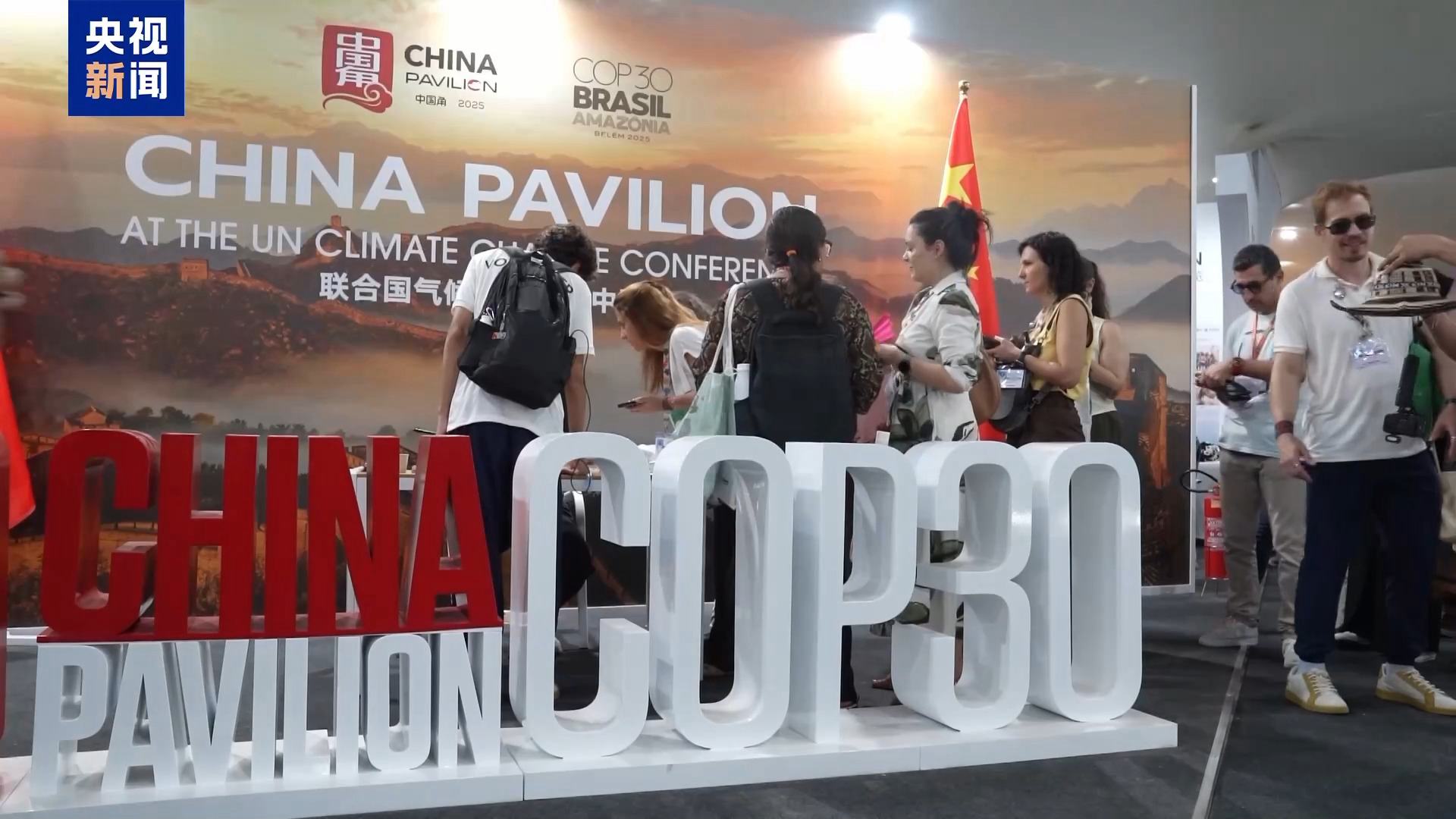
China’s progress in building and expanding its national carbon market is drawing strong international interest at the COP30 climate conference underway in Belem, Brazil. During a side event titled “High Quality Development and Experience Sharing of China’s Carbon Market,” senior officials highlighted how the country’s emissions trading system has matured and what lessons it offers for other nations.
Li Gao, China’s vice minister of ecology and environment, told participants that the country’s carbon market has been shaped by practical national conditions and long term planning. He outlined three major lessons from China’s development process: designing a system that aligns with domestic realities, improving data quality through advanced technology, and expanding international cooperation to support broader carbon market integration.
Li noted that China has significantly expanded the scope of its emissions trading system in recent years. Since 2024, the national ETS has gradually incorporated major industrial emitters such as steel, cement, and aluminum. According to official figures, by the end of October 2025 the cumulative trading volume in China’s carbon market had surpassed 770 million tonnes of carbon allowances, with transactions valued at more than 51.8 billion yuan, or roughly 7.3 billion dollars.
He added that China’s voluntary emissions reduction market is also gaining momentum. This segment is helping accelerate investment in low carbon technologies and allowing ecological resources to generate economic returns through market based mechanisms.
Delegates from several countries and global institutions shared their perspectives on how China’s experience aligns with broader international efforts to build effective carbon markets. Valerie Hickey, global director for Climate Change at the World Bank, described China’s ETS as “a model of steady and expanding growth.” She encouraged countries to strengthen communication and coordination so that carbon markets worldwide become more efficient, transparent, and inclusive.
Diana Acconcia, director for international affairs and climate finance at the European Commission’s climate directorate, welcomed China’s continued steps to strengthen its emissions trading system. She said the European Union is ready to deepen technical cooperation with China on carbon pricing and to help other developing countries establish reliable and fair carbon market structures.
As the global focus shifts toward more ambitious climate action, China’s expanding carbon market is increasingly seen as a key component of international climate governance. Discussions at COP30 suggest that deeper collaboration between major economies, regulators, and financial institutions will be essential in building a global network of carbon markets that can support emissions reduction goals in the years ahead.

