
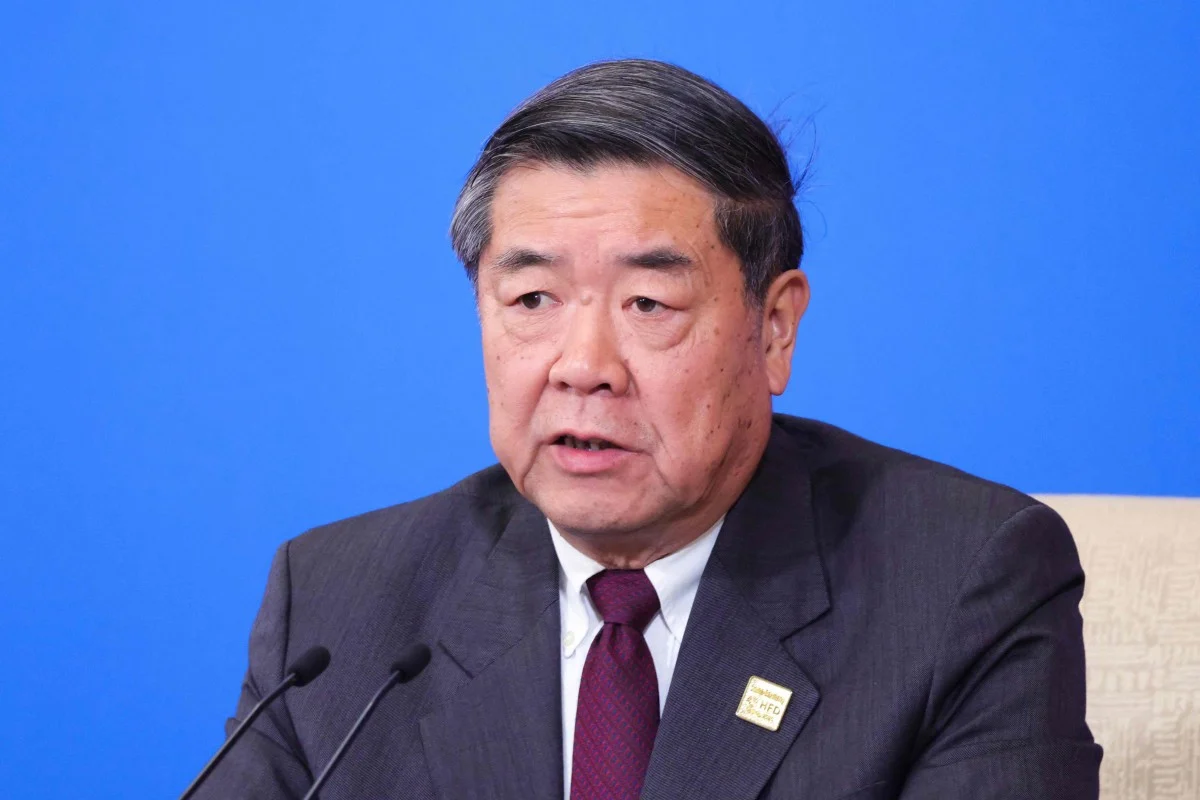
China and the United States took another step toward stabilising their often tense economic relationship as Chinese Vice Premier He Lifeng held a video call with US Treasury Secretary Scott Bessent and US Trade Representative Jamieson Greer. The meeting was conducted under the bilateral negotiation mechanism launched earlier this year, a platform intended to address ongoing disputes and prevent minor issues from escalating into larger conflicts. Although the two sides reached a trade truce in October, a number of practical worries still linger, such as fulfilment of US agricultural orders and the restrictions shaping the semiconductor industry. Against this backdrop, both sides sought to deepen communication and build momentum for the next stage of economic engagement.
A dialogue marked by constructive tone
According to Xinhua, China’s official news agency, the conversation was described as “in depth and constructive.” This tone matters, given the strained nature of the relationship in recent years. The discussion aimed to expand areas where the two nations can cooperate and narrow the list of disagreements. For China, the call signals a willingness to maintain open channels despite heightened geopolitical tension. For the United States, direct engagement reflects an understanding that managing economic interdependence is essential even as strategic rivalry intensifies. Both sides attempted to emphasise pragmatism over confrontation.
Addressing persistent trade frictions
While the truce in October eased immediate tensions, neither side views the economic relationship as stabilised. Issues such as soybean purchases, tariff compliance and access to US technology remain sensitive. Chinese companies continue to face restrictions on purchasing certain American chips and equipment, while Washington has concerns about uneven implementation of agricultural commitments. These areas are not only transactional matters but indicators of broader trust. During the call, officials discussed tangible steps to address such concerns, including mechanisms to monitor supply flows and ensure policy transparency. Even modest progress in these areas could help reduce volatility in trade expectations for the coming year.
Seeking consensus in a shifting global environment
Both countries face their own economic pressures. China is navigating structural challenges including slower consumer growth, local government debt strains and a need to rebuild investor confidence. The United States is contending with inflation management and a complicated political climate in which China policy remains a contentious issue. Despite these differences, the two economies remain deeply intertwined. Their dialogue must adapt to a world in which supply chains are being restructured, new technologies are tightly controlled and global markets are sensitive to signs of instability. The call highlighted this shared reality and underscored that economic cooperation is still possible, even within a competitive framework.
Expanding cooperation while reducing friction
One of the key messages from the conversation was a mutual agreement to “expand the list for cooperation and shorten the list of problems.” This reflects a shift toward more practical, focused engagement. Areas with potential for cooperation include climate related industries, broader agricultural trade, financial regulation and restoring predictability to supply chains. Narrowing disputes may involve establishing clearer rules for high tech trade, improving communication on export controls and providing early warning mechanisms for policy changes that affect market stability. Such targeted cooperation allows each side to protect core interests while maintaining a constructive working relationship.
A cautious but meaningful step forward
The call between He Lifeng, Bessent and Greer does not resolve the deeper structural issues underpinning China–US tensions. However, it represents an important signal that both governments recognise the value of steady communication. Each side demonstrated awareness that unmanaged friction could disrupt global markets and create unnecessary uncertainty for businesses and consumers. With more discussions expected under the new negotiation mechanism, both countries appear prepared to pursue a more stable footing in the months ahead. The willingness to engage deeply, even amid rivalry, suggests that managing the economic relationship remains a priority for both Beijing and Washington.

