
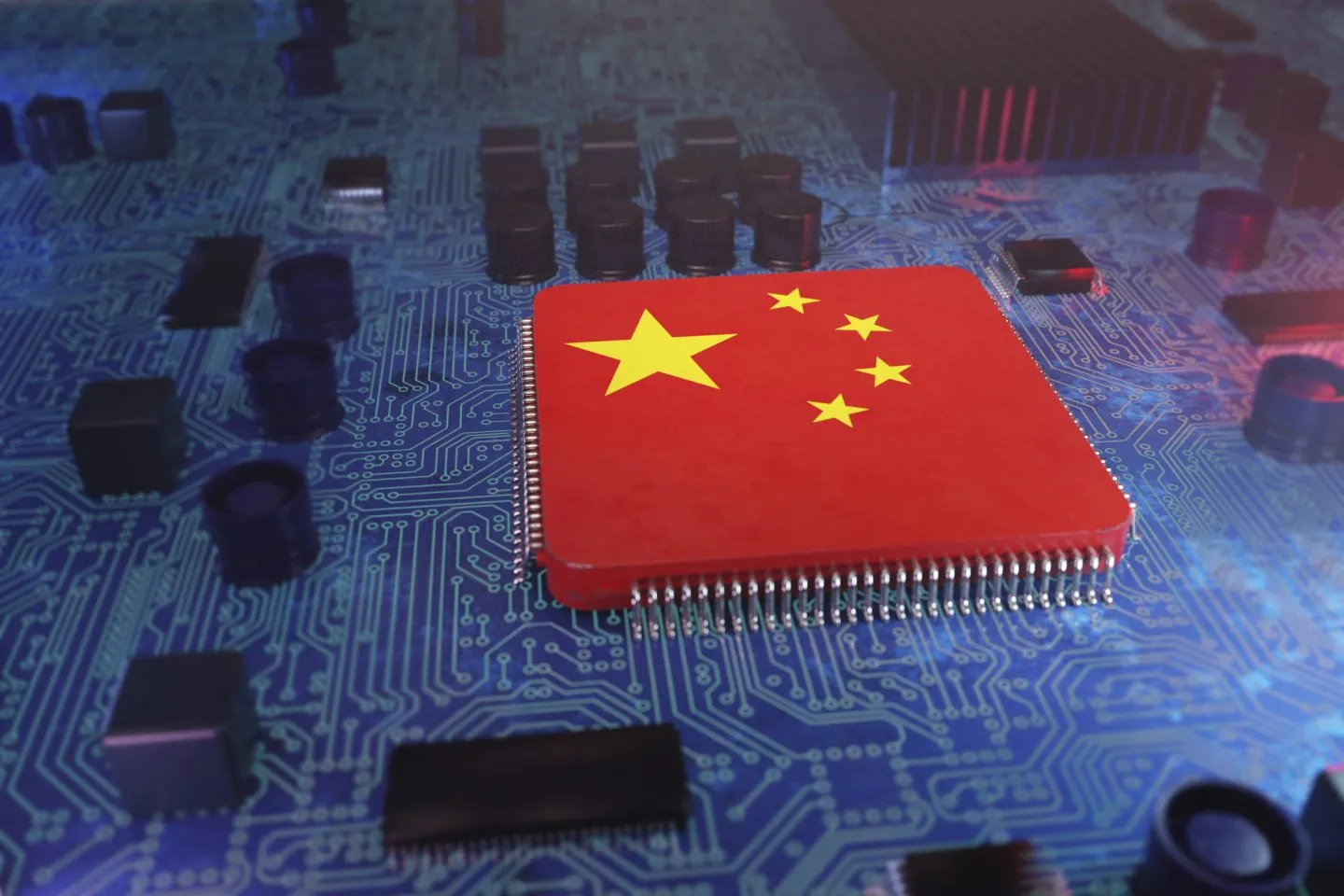
Restrictions on advanced chips force Beijing to accelerate innovation and supply chains.
The Chip Challenge
Semiconductors are the brains of modern technology, powering everything from smartphones to artificial intelligence. For China, access to advanced chips has become both an economic and security issue. Western export controls, particularly from the United States, restrict China’s ability to import high-end chips and equipment, creating a chokepoint in its tech ambitions.
This pressure has pushed Beijing to intensify efforts to achieve self-reliance. The question is whether domestic innovation can overcome the technological gap.
Sanctions and Their Impact
In 2022 and 2023, Washington expanded restrictions on exporting advanced chips and semiconductor equipment to China. Allies like Japan and the Netherlands joined, tightening access to lithography machines and cutting-edge components.
The impact has been immediate. Chinese firms struggle to source critical tools for producing chips under 7 nanometers. AI companies face delays in training large-scale models, while consumer electronics producers worry about future supply. The sanctions strike at the heart of China’s ambitions in AI, 5G, and defense.
China’s Response
Beijing has responded with massive investment. The government launched funds worth tens of billions of dollars to support semiconductor research, fabrication, and talent development. Universities are expanding programs in materials science and microelectronics.
Firms like SMIC are racing to develop advanced chips domestically, reportedly producing limited batches of 7nm chips despite restrictions. At the same time, companies are stockpiling foreign components while searching for domestic alternatives.
Strengths and Weaknesses
China has advantages in scale, capital, and a vast domestic market. Its engineers are capable, and its supply chains already dominate assembly and packaging. However, the toughest challenges lie in the high end of the industry. Designing chips is complex, but manufacturing them at advanced nodes requires mastery of specialized equipment and processes dominated by a handful of global firms.
Without access to extreme ultraviolet lithography, producing chips at 5nm or below remains difficult. Bridging this gap will take years, if not decades.
Strategic Stakes
The semiconductor struggle is not only about economics. It reflects geopolitical rivalry. The United States sees restricting chip access as a way to slow China’s technological rise, especially in areas with military applications. For China, self-reliance is framed as a matter of national security and dignity.
The rivalry risks fragmenting global supply chains. Some countries, caught between US pressure and Chinese demand, face hard choices about where to align.
Long-Term Outlook
China is unlikely to achieve full self-sufficiency quickly, but progress is steady. Domestic firms are improving in areas like memory chips, mid-range processors, and packaging. Over time, workarounds and innovation may close part of the gap.
At the same time, global demand for affordable chips provides opportunities. Even if China lags at the cutting edge, it may dominate volume production at less advanced levels, ensuring relevance in global markets.
Conclusion: Innovation Under Pressure
China’s semiconductor struggle is a test of resilience. Sanctions have slowed progress but also galvanized investment and determination. Whether Beijing achieves full self-reliance remains uncertain, but the drive to overcome external pressure has already reshaped its economic priorities.
the semiconductor story reflects the intersection of technology, politics, and global power. It shows how tiny chips carry massive implications for the future of innovation and international rivalry.

