
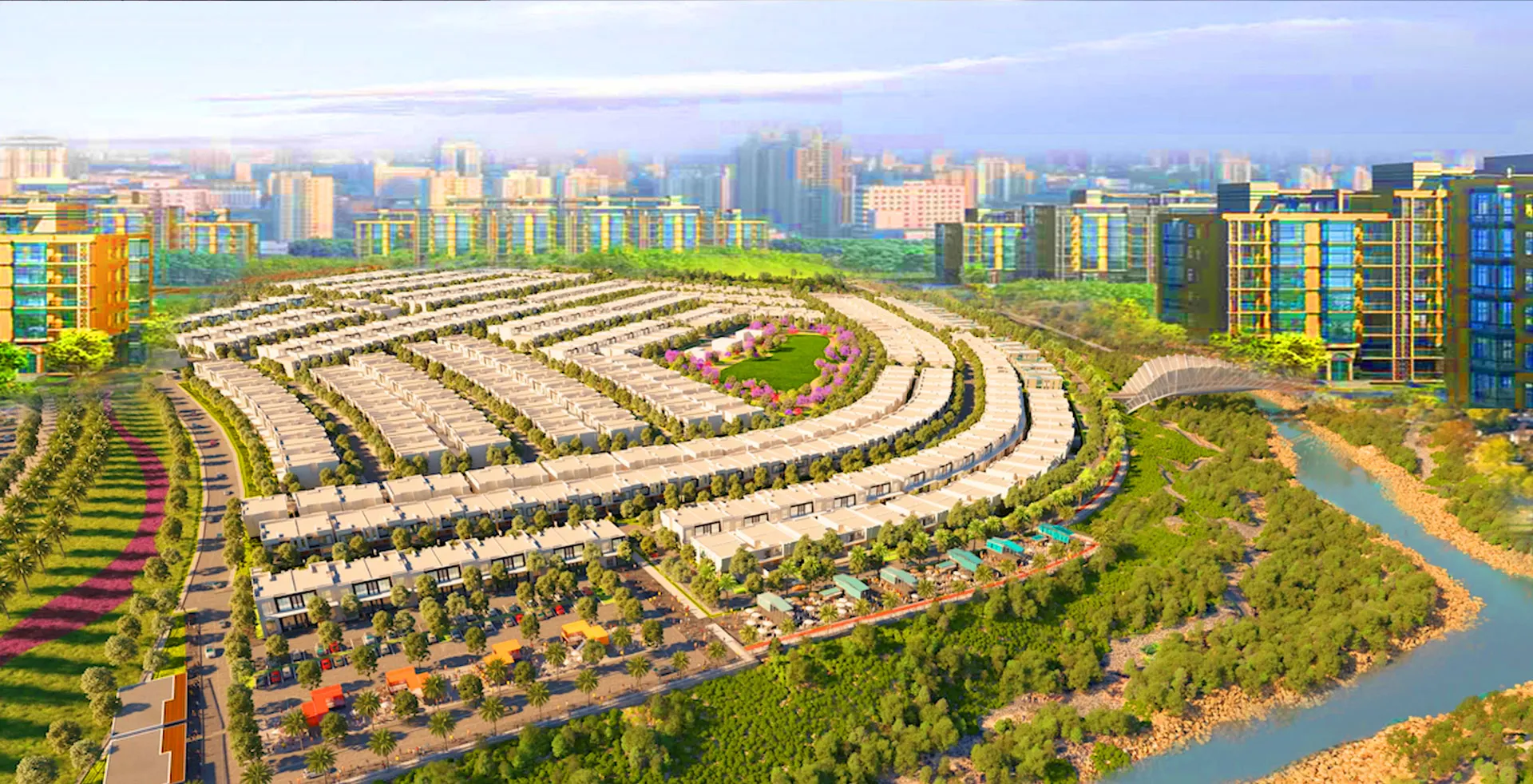
Smart city development is becoming an important part of Pakistan’s urban modernization strategy as cities grow rapidly and require efficient systems to manage transport energy public services and safety. Cooperation with China provides Pakistan with access to advanced technologies and successful models that have transformed several Chinese cities into global examples of smart urban planning. As Pakistan adopts these solutions its major cities are preparing for a future shaped by innovation connectivity and sustainable development.
Growing Need for Smart Solutions in Pakistani Cities
Pakistan’s urban population is expanding quickly and major cities are facing pressure on transport networks public facilities and utilities. Traditional systems struggle to meet rising demand. Smart solutions help address these challenges through real time data intelligent systems and modern infrastructure.
Cities such as Lahore Karachi Islamabad and Peshawar are exploring smart traffic systems smart surveillance digital public services and improved waste management. These tools make daily life easier reduce congestion and support long term planning for urban growth.
Chinese Expertise in Smart City Development
China has invested heavily in smart city technologies over the past decade. Cities such as Shenzhen Hangzhou and Shanghai are known for intelligent transport networks facial recognition systems digital governance and integrated service platforms. These technologies help simplify urban management and improve citizen services.
Pakistan’s cooperation with China focuses on bringing these successful practices into local contexts. Joint projects aim to introduce smart platforms for traffic monitoring city administration emergency services and environmental management. Chinese tech companies are providing both software and hardware solutions that support long term urban modernization.
Intelligent Transport and Mobility Improvements
Traffic congestion is one of the biggest challenges in Pakistani cities. Smart city projects supported by China include intelligent traffic lights automated traffic flow analysis and real time monitoring systems that help reduce congestion.
Sensors and digital cameras provide live data that helps authorities manage traffic more effectively. These systems can adjust signal timings reduce bottlenecks and improve road safety. Over time smart mobility solutions support cleaner transport reduce fuel use and improve travel reliability.
Electric buses and smart transit systems are also being discussed as part of sustainable mobility initiatives. China’s experience with large electric bus networks can help Pakistan develop cleaner and more efficient public transport.
Digital Governance and Public Service Delivery
Smart city development also includes digital platforms that make public services faster and more transparent. Mobile applications allow citizens to access services without long queues or paperwork. China’s experience in digital governance serves as a strong model for Pakistan to follow.
Local governments are exploring online tax payment systems complaint tracking platforms digital health records and smart utility billing. These tools reduce administrative delays increase transparency and improve the relationship between citizens and public institutions.
Collaboration with Chinese technology firms helps design user friendly platforms that integrate multiple services into single digital systems.
Security and Emergency Response Systems
Urban safety is another priority for smart city development. China’s advanced surveillance technology supports real time monitoring and rapid emergency response. Pakistan is adopting similar systems to improve public safety in crowded urban areas.
Smart surveillance networks with high definition cameras and intelligent detection capabilities help reduce crime and ensure faster response during emergencies. Integrated command centers allow city administrators to monitor various systems from one place.
These solutions are being tested in major cities and are expected to expand further as infrastructure improves.
Smart Energy and Environmental Management
Smart city cooperation also supports clean energy and environmental protection. Chinese supported projects include smart grids solar installations and energy efficient systems that help cities manage electricity more effectively.
Sensors for air quality monitoring help authorities track pollution levels and plan interventions. Waste management systems supported by digital tools improve collection schedules and reduce environmental impact.
Green building technologies introduced through Chinese partnerships support energy efficient construction and help reduce long term operational costs.
A New Urban Future for Pakistan
The cooperation between Pakistan and China on smart city development represents a major step forward in urban modernization. With intelligent transport systems digital governance strong security networks and sustainable energy solutions Pakistani cities are preparing for a future that uses technology to improve daily life.
As these projects expand Pakistan can build smart urban centers that offer better services efficiency and safety. The partnership with China provides the foundation for long term innovation that supports economic growth and enhances the quality of life for millions of citizens.
Smart cities reflect the next stage of CPEC cooperation and show how technology can shape a more connected and sustainable urban future for Pakistan.

