
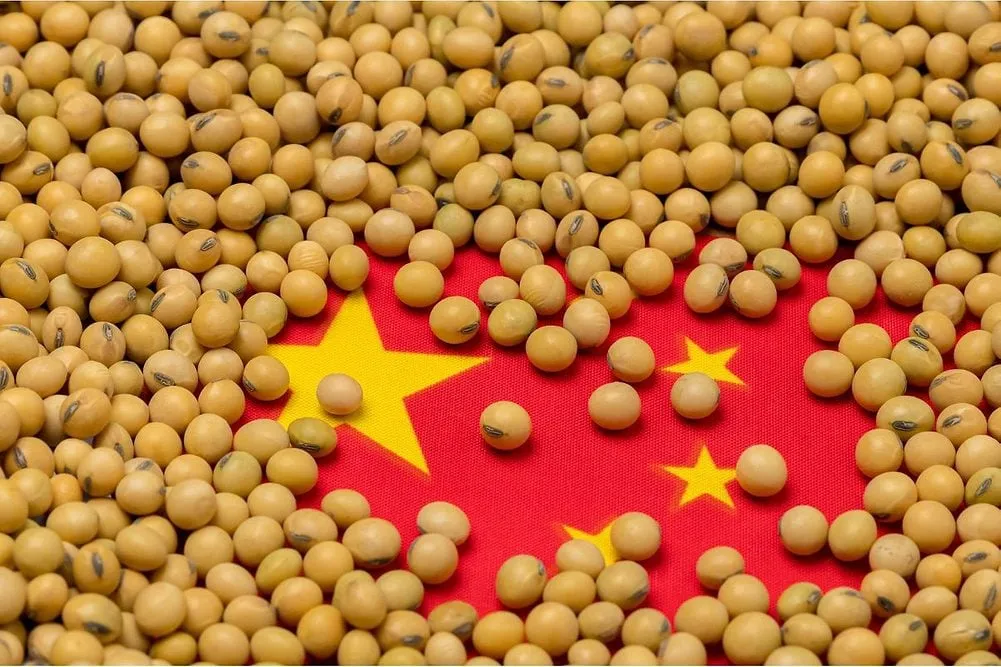
China’s soybean imports surged to a record high for the month of October as strong shipments from South America filled the gap left by reduced trade with the United States. The increase underscores China’s continued reliance on Brazil and Argentina for oilseed supplies amid ongoing trade tensions with Washington.
According to data from the General Administration of Customs released on Friday, China imported 9.48 million metric tons of soybeans in October, up 17.2 percent from 8.09 million tons a year earlier. This marks the highest October import volume on record and extends the trend of monthly records set from May through October this year.
Analysts said the strong inflows were driven by robust purchasing from Chinese crushers aiming to secure supplies before potential price fluctuations in South America. “October soybean imports reached a record high as crushers rushed to buy as much as they could to ensure stable operations and hedge against possible price spikes in Brazil caused by disruptions in China–US trade,” said Wang Wenshen, analyst at Sublime China Information.
In total, China imported 95.68 million tons of soybeans during the first ten months of the year, up 6.4 percent from the same period last year. However, October imports fell 26.3 percent from September, reflecting seasonal shifts as Brazil’s old-crop shipments wound down and new US supplies remained limited.
“In September, the final wave of Brazil’s old-crop soybeans arrived, creating a high base of comparison,” said Liu Jinlu, an agricultural researcher at Guoyuan Futures. “October usually marks the start of the US harvest season, but because of the earlier suspension of China–US soybean trade, imports of new-crop US beans were nearly nonexistent.”
The pause in American shipments followed the re-escalation of trade tensions earlier in the year, when both countries imposed fresh tariffs on agricultural goods. Although Chinese and US leaders reached a limited agreement last week to resume purchases, traders say the effects have yet to be reflected in import volumes.
The White House has stated that China pledged to buy 12 million tons of US soybeans by the end of the year, but traders remain cautious. Many say the 13 percent tariff China maintains on US soybeans continues to make American cargoes uncompetitive compared with those from Brazil.
To offset supply risks, Chinese importers have been taking advantage of lower South American prices. Market sources reported that local buyers recently booked about 20 cargoes of Brazilian soybeans at favorable rates as expectations grew that trade with the US would partially resume. State-run grain trader COFCO was also reported to have purchased three US cargoes in advance of last week’s leadership meeting between Beijing and Washington.
Despite the diplomatic thaw, analysts believe Brazil will remain China’s dominant soybean supplier in the near term due to its abundant crop and pricing advantage. “Even if US shipments increase slightly, Brazilian beans will continue to account for the bulk of arrivals because of their competitive cost structure,” said Liu.
China’s strong soybean imports underline its efforts to secure feedstock for its vast livestock sector while navigating the uncertainties of global trade. The record figures also reflect how South America’s growing role in global agriculture continues to reshape the supply chain dynamics that once centered on US exports.

