
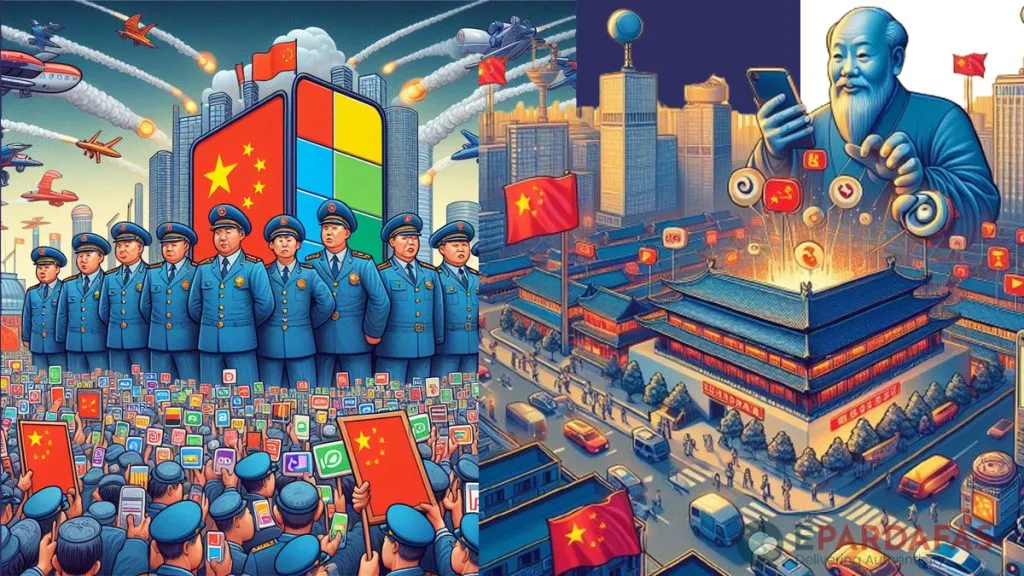
How digital champions face both opportunity and resistance overseas.
The Rise of Digital Champions
Companies like Huawei, Alibaba, Tencent, and ByteDance grew rapidly in China’s domestic market, mastering e commerce, payments, social media, and telecommunications. Their scale, innovation, and government support positioned them to expand globally. For many, international growth was natural extension of success at home, with ambitions to rival Silicon Valley.
Huawei and 5G Networks
Huawei became the flagship of expansion. By offering competitive pricing and advanced technology, it built telecom infrastructure across Africa, Latin America, and Europe. Its role in 5G networks sparked global debate. Washington and allies warned of security risks, citing potential links between Huawei and Beijing. Several countries restricted or banned its equipment, while others embraced it for affordability. The controversy turned Huawei from commercial competitor into symbol of geopolitical rivalry.
ByteDance and the TikTok Phenomenon
ByteDance’s TikTok achieved global success, dominating youth culture with short videos. Its algorithms set new standards for engagement, spreading Chinese digital influence far beyond borders. Yet TikTok also faced scrutiny over data privacy, content moderation, and ties to Chinese law. Governments in the United States, India, and Europe debated bans or restrictions. TikTok illustrates both China’s ability to innovate culturally and the suspicion such success generates.
E Commerce and Payments Abroad
Alibaba and JD.com expanded platforms into Southeast Asia, while fintech arms promoted mobile payments and cloud services. Investments in logistics, warehouses, and local startups extended reach. Yet competition with local firms and regulatory barriers limited dominance. Payment systems faced hurdles from governments cautious about foreign control of financial flows.
Africa as a Testing Ground
Africa became a major frontier for Chinese tech. Huawei built networks, while Transsion, maker of Tecno phones, dominated low cost handset markets. Partnerships in mobile money and digital platforms created ecosystems tailored to local needs. For Beijing, Africa provided stage to showcase development cooperation. For critics, it raised concerns about dependency and data governance.
Backlash and Restrictions
Across regions, backlash grew. The European Union pushed digital sovereignty, wary of reliance on non Western firms. India banned dozens of Chinese apps after border clashes. The United States expanded export controls and pressured allies to exclude Chinese tech. These moves reflected not only security concerns but also broader struggle over who sets digital rules.
Adaptation and Strategy
Chinese firms adapted by localizing operations, hiring regional executives, and partnering with local companies. Some pursued rebranding, downplaying ties to China. Others diversified markets, seeking growth where restrictions were lighter. At home, firms strengthened compliance and cybersecurity measures to demonstrate responsibility abroad. Success increasingly depends on political diplomacy as much as technological innovation.
Global Digital Governance
The expansion and backlash highlight urgent questions about digital governance. Who controls data flows. Which standards shape 5G, AI, and cloud services. Can global internet remain open, or will it fragment into competing spheres. Chinese tech firms stand at center of these debates, symbols of how commerce, politics, and security converge in digital age.
Conclusion: Opportunity and Resistance
The story of China’s tech giants abroad shows how success at home does not guarantee smooth entry overseas. Expansion created new influence but also triggered suspicion. The outcome is not only about markets but about values, trust, and power. The giants carry China’s ambitions, but their paths reveal the limits of globalization in an era defined by rivalry

