
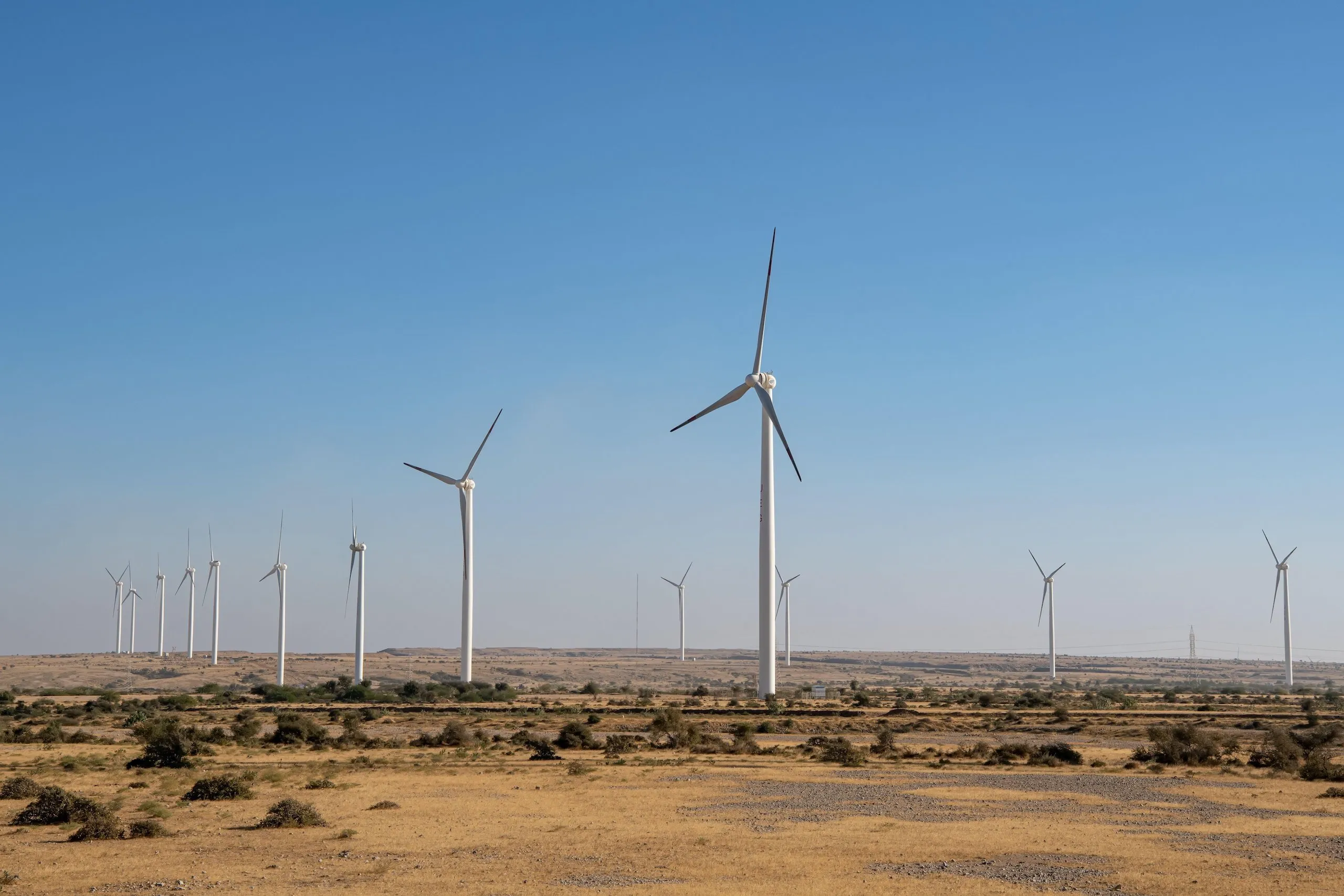
Renewable energy cooperation between China and Pakistan is gaining strong momentum as Chinese companies investigate new opportunities for solar, wind and hybrid power projects across the country. Pakistan’s rising energy demand combined with its commitment to clean power has made it an attractive destination for Chinese investors who possess global leadership in renewable technologies. Policymakers from both nations view this emerging cooperation as essential for energy security, economic growth and environmental sustainability.
Pakistan’s geography offers significant potential for renewable development. Solar rich regions in Balochistan and Sindh, powerful wind corridors along the southern coast and large areas suitable for hybrid solutions provide a strong foundation for long term investment. Chinese companies are already conducting resource assessments, feasibility reviews and site surveys to evaluate project readiness. Their advanced expertise in renewable engineering and large scale production enables cost effective solutions that match Pakistan’s energy needs.
Solar power projects gain renewed interest
Chinese solar companies are exploring utility scale plants as well as distributed rooftop systems in urban and commercial regions. Pakistan’s abundant sunlight makes it ideal for photovoltaic expansion and Chinese technology can help achieve rapid deployment with high efficiency.
Discussions are under way to introduce modern solar modules, long lasting battery storage systems and automated control units. These technologies will support stable energy supply and reduce dependence on traditional power sources.
Wind energy potential along the coastline
Pakistan’s coastline is home to some of South Asia’s strongest wind corridors. Chinese renewable developers have expressed interest in expanding wind farms in these regions due to favourable weather patterns and proven power generation capacity.
Chinese engineers are conducting wind mapping analysis and environmental assessments to determine the most suitable sites. Their experience in offshore and onshore wind projects can help Pakistan build reliable wind plants with long operational lifespans.
Hybrid systems for stable power delivery
One of the most promising areas of cooperation is hybrid renewable systems that combine solar and wind power with energy storage. These systems provide continuous and stable electricity even during fluctuating weather conditions.
Chinese companies have successfully implemented hybrid models in several countries and are now adapting similar designs for Pakistan. If implemented at scale hybrid systems can reduce the burden on the national grid and support industrial and agricultural zones with consistent energy.
Local manufacturing and job creation
Renewable investments are expected to create significant employment opportunities in Pakistan. Chinese firms are exploring the possibility of local assembly lines for solar panels, inverters and battery modules.
Local manufacturing not only reduces costs but also helps transfer technology and develop skilled labour. Training programs and technical workshops will prepare Pakistani workers to operate and maintain renewable energy systems.
Modern grid integration and digital monitoring
Integrating renewable power into the national grid requires modern technology. Chinese companies are offering support for smart grid solutions, digital monitoring tools and automated balancing systems.
These upgrades will ensure stable power distribution and help prevent overloads. Real time monitoring allows energy managers to predict demand changes and optimise grid performance.
Environmental benefits and long term sustainability
Renewable energy development brings major environmental advantages. Reduced emissions, improved air quality and lower reliance on imported fuels contribute to national sustainability goals.
China’s extensive experience in large scale green projects provides practical guidance for Pakistan as it transitions toward cleaner energy. Both countries view renewable expansion as a shared responsibility for protecting future generations.
Strengthening the energy partnership
Renewable energy cooperation is becoming a key pillar of China Pakistan relations. The projects under review support long term energy security, economic stability and industrial productivity.
As feasibility studies progress and investment discussions advance, Pakistan and China move closer to building a modern renewable energy framework that delivers reliable and sustainable power for millions of people.

