
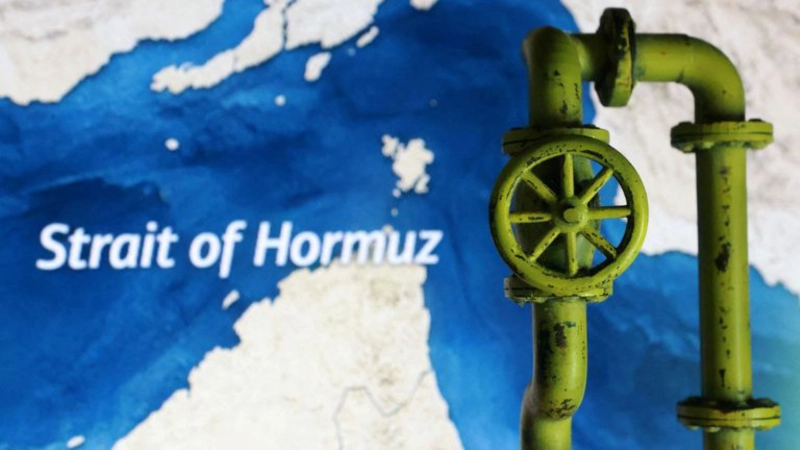
Two Chinese container vessels have successfully sailed through the Strait of Hormuz on their second attempt, marking a significant development in global shipping activity as geopolitical tensions continue to disrupt one of the world’s most critical maritime routes. The ships initially turned back days earlier due to security concerns but later regrouped and exited the Gulf in close formation, moving at higher speeds into the Gulf of Oman. Their passage signals the first notable movement of non Iranian container shipping traffic out of the region since the conflict began, highlighting cautious but emerging signs of operational recovery in the waterway.
Shipping data indicates that the vessels navigated the strait with heightened precaution, reflecting ongoing risks linked to the conflict involving Iran. The route has been largely restricted since late February, with multiple incidents targeting commercial vessels and raising fears across global logistics networks. Analysts tracking maritime movements confirmed that the successful crossing is being closely monitored by the shipping industry, which has faced severe disruptions. Many operators remain hesitant to resume normal routes as uncertainty persists, with insurance costs rising and risk assessments becoming more complex for voyages through the region.
The Strait of Hormuz remains a vital artery for international trade, particularly for energy shipments connecting Gulf producers with Asian markets. The disruption has effectively stalled exports of crude oil from Saudi Arabia and liquefied natural gas from Qatar, both of which are critical to global energy supply chains. In response to the heightened risks, shipping companies have adopted alternative strategies, including delayed departures, route diversions, and reduced cargo volumes. Some vessels have also resorted to tactical navigation measures such as limiting signal visibility and adjusting transit timing to minimize exposure to potential threats.
Market observers note that any movement through the strait carries broader implications for global trade stability and energy pricing. Even limited resumption of shipping activity is being interpreted as a potential signal that conditions may gradually stabilize, though the situation remains fragile. Industry experts suggest that the return of container traffic, even in small numbers, could help ease supply chain pressures, especially for countries dependent on imports from the Gulf region. However, sustained recovery will depend on security assurances and diplomatic developments that can restore confidence among shipowners and insurers.
Additional ship tracking data reveals that a Greek operated oil tanker carrying Saudi crude to India has also managed to exit the Gulf, further indicating selective movement in energy shipments. Meanwhile, Indian flagged liquefied petroleum gas carriers have successfully completed crossings in recent days, transporting essential fuel supplies despite the risks. These movements demonstrate that while the majority of shipping activity remains constrained, certain operators are cautiously navigating the corridor to meet urgent demand, particularly for energy commodities.
The ongoing situation continues to influence regional and global markets, with traders, governments and logistics firms closely watching for any sustained increase in maritime activity. The Strait of Hormuz accounts for a significant share of global oil transportation, making its stability crucial for economic balance. Any prolonged disruption could further strain supply chains, increase fuel costs and impact trade flows across Asia and beyond. As developments unfold, the successful passage of these vessels may serve as an early indicator of shifting conditions in a region that remains central to global commerce.

