
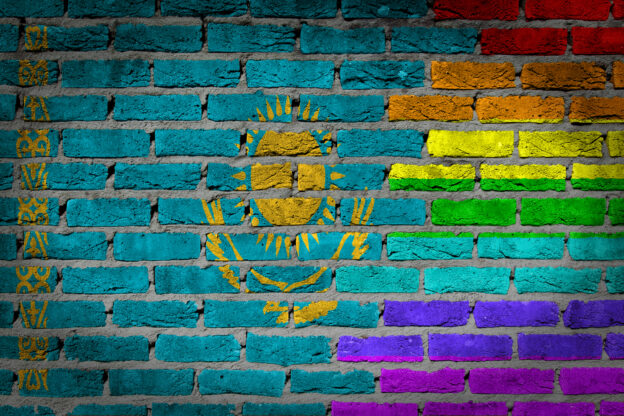
Kazakhstan is facing renewed criticism from human rights groups after introducing legal changes that activists say further restrict the rights of LGBTQ individuals and limit freedom of expression. Observers warn that these steps reflect a troubling pattern of silencing minority voices at a time when the country has pledged to uphold international human rights standards.
The proposed changes include measures that would make it more difficult for LGBTQ organisations to operate openly and advocate for equal rights. Critics say the new rules could also restrict public discussion about gender identity and sexual orientation. These developments have raised alarm among rights advocates, who view them as part of a broader effort to suppress dissent and limit the space for civil society.
Human rights groups point out that Kazakhstan has often highlighted its commitment to reform and modernisation, especially when engaging with international partners. However, they argue that recent actions contradict these pledges. They warn that targeting minority groups does not contribute to social progress and undermines trust in the government’s promises to protect fundamental freedoms.
LGBTQ activists in Kazakhstan say the recent move adds to existing challenges they already face. Stigma, discrimination and social pressure remain widespread. Many individuals fear speaking openly about their identities, and some have experienced harassment for taking part in community activities. Advocates say that instead of creating new barriers, the government should focus on policies that ensure fairness, dignity and support for vulnerable groups.
Legal experts also caution that restricting freedom of expression carries long term consequences for the country’s democratic development. Limiting public debate can affect education, media and cultural dialogue. It can also discourage citizens from participating in discussions on social issues, depriving society of diverse perspectives. Scholars note that countries that protect free expression tend to foster stronger civic institutions and greater public trust.
International organisations have echoed these concerns and urged Kazakhstan to reconsider the legal amendments. Several groups have reminded Kazakhstan of its commitments under global human rights agreements, which include protecting minority rights and ensuring open expression. They emphasise that safeguarding these principles is essential for maintaining positive relations with global partners and supporting the country’s long term development goals.
Advocates say that Kazakhstan has the opportunity to take a more inclusive approach by consulting with affected communities, listening to their concerns and ensuring that laws reflect equal treatment for all citizens. They argue that protecting the rights of minority groups does not weaken society but strengthens it by promoting tolerance and mutual respect.
As debate continues, many hope the government will reassess the path it is taking. Human rights groups stress that meaningful progress requires an environment where people can speak openly and live without fear of discrimination. They urge Kazakhstan to uphold its obligations and demonstrate a genuine commitment to protecting the rights and freedoms of all its citizens.

