
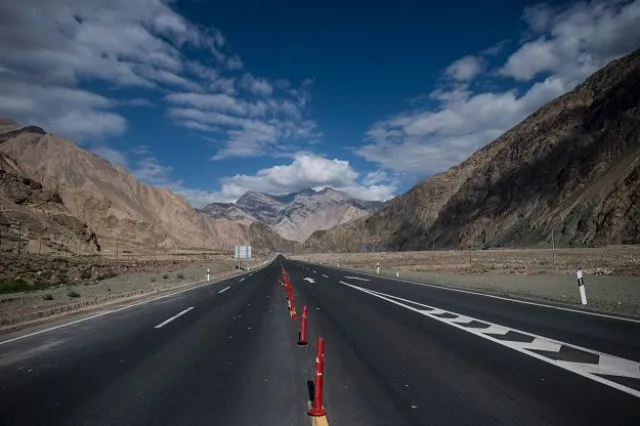
For much of its first decade, the China Pakistan Economic Corridor was defined by highways, power plants and major infrastructure projects designed to address Pakistan’s most urgent development gaps. Roads connected distant regions, energy projects reduced crippling blackouts and ports positioned the country more strategically in regional trade. Now CPEC is entering a very different phase. Often called CPEC 2.0, this stage shifts from heavy construction toward high technology, automation and digital innovation. The evolution reflects both Pakistan’s rising ambitions and China’s growing focus on exporting advanced technologies rather than only physical infrastructure.
From concrete to code
The pivot toward robotics and automation marks a turning point in Pakistan’s development planning. Early CPEC projects solved essential structural problems, but the new phase aims to build long term competitiveness. Chinese firms specializing in robotics, industrial automation and smart logistics are beginning to explore partnerships inside Pakistan’s Special Economic Zones. These companies are introducing tools such as automated assembly lines, AI enabled quality control systems and warehouse robotics.
For Pakistan this shift holds immense promise. A manufacturing sector struggling with outdated machinery and high production costs now has the opportunity to modernize. Access to robotics can raise efficiency, reduce waste and allow local industries to compete more effectively in export markets.
Why technology is becoming the new backbone of CPEC
China’s own economic transformation plays a key role in reshaping the corridor’s priorities. As China moves up the global value chain, its companies are increasingly looking abroad for new markets where they can deploy mature but still highly competitive technologies. Pakistan’s large youth population, expanding startup scene and need for industrial modernization make it a natural destination.
At the same time Pakistan recognizes that infrastructure alone cannot unlock long term prosperity. Modern economies are built on digital systems, skilled labor and innovation ecosystems. By embedding technology into CPEC’s next stage, policymakers hope to create industries capable of competing in fields such as electronics, renewable energy components and precision manufacturing.
Special Economic Zones repositioned as innovation hubs
SEZs that once focused on textile or basic manufacturing are being repositioned to attract robotics, AI and software companies. Proposed joint training centers aim to equip Pakistani engineers with skills in automation, coding and machine maintenance. Chinese universities and tech firms are also exploring deeper academic partnerships, offering short courses, joint degree programs and research collaborations.
If successful, these initiatives could produce a new generation of skilled workers who can support advanced industries. This is essential for Pakistan, where the lack of technical expertise often slows industrial progress.
Opportunities and challenges ahead
CPEC’s high tech turn brings enormous potential but also significant challenges. Integrating robotics requires reliable electricity, fast internet and skilled technicians. Many local industries will need to adapt their workflows and invest in upgrading existing equipment. There is also a need for transparent regulatory frameworks that support innovation while protecting data and privacy.
Still the momentum behind CPEC 2.0 is strong. Both governments view technology as the foundation of the corridor’s future. If Pakistan successfully harnesses this shift, it could transform its industrial base, generate high quality jobs and strengthen its position in global supply chains.
A corridor evolving for a digital age
CPEC began as a symbol of connectivity, built on roads and power lines. Its next chapter may well be defined by algorithms, robots and digital platforms. CPEC 2.0 is more than a rebranding. It represents a shared recognition that the future of development lies in technology driven growth. For Pakistan this evolution offers a rare chance to leap forward, not gradually but decisively, into a new industrial era.

