
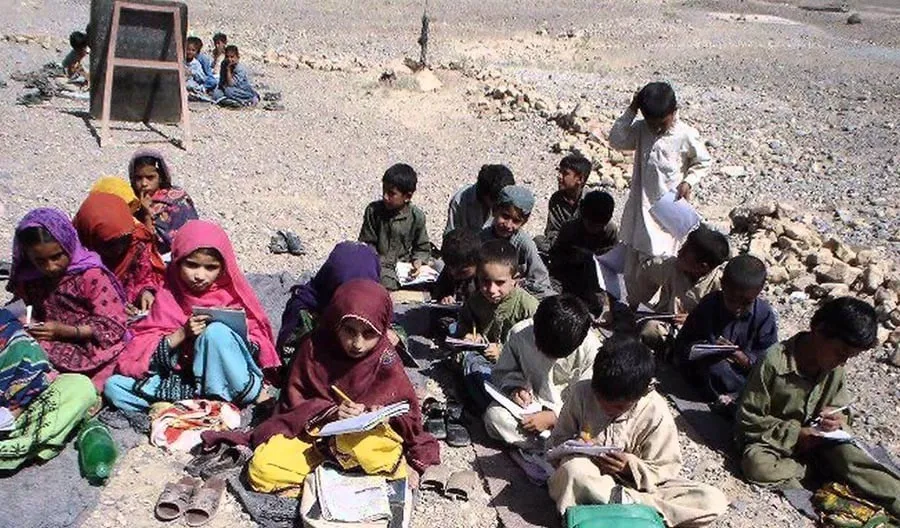
CPEC education initiatives are transforming Balochistan by expanding access to technology-driven learning and vocational training. New programs developed under the China–Pakistan Economic Corridor framework are equipping students and young professionals with digital skills relevant to emerging industries such as logistics, renewable energy, and IT services. The aim is to integrate Balochistan’s youth into the national development process by building a knowledge economy that supports long-term regional inclusion and stability.
Establishment of CPEC Learning and Training Centers
Several CPEC-funded education and vocational training centers have been launched across Gwadar, Turbat, and Khuzdar. These centers focus on practical learning in areas such as coding, automation, electrical engineering, and business management. In collaboration with Chinese universities and technical institutes, the programs provide curriculum support, teacher training, and access to online learning resources. Students can now participate in digital courses linked to real industrial projects, preparing them for employment in new industrial zones and logistics hubs along the corridor.
Technology Integration in Education
The introduction of smart classrooms and e-learning platforms is bridging the digital divide in Balochistan. Solar-powered computer labs and high-speed internet connectivity are being established to ensure continuous access to online education. Partnerships with Chinese technology companies have introduced digital tools for remote instruction and language translation, enabling teachers to collaborate across borders. These technological interventions are expanding the reach of education and creating new opportunities for students in rural and coastal areas who previously lacked access to modern learning facilities.
Focus on Women’s Empowerment and Inclusion
A key feature of the CPEC education programs in Balochistan is their emphasis on women’s participation. Dedicated training modules have been developed to encourage women to pursue careers in technology, entrepreneurship, and renewable energy management. Scholarships and mentorship programs are being offered to female students through public–private partnerships. These initiatives align with Pakistan’s broader gender inclusion goals and help promote equitable access to education in one of the country’s most underserved regions.
Strengthening Technical and Vocational Skills
CPEC educational programs are designed to complement the economic development taking place in the province. Technical courses in port management, heavy machinery operation, and industrial automation are being linked with employment opportunities in Gwadar Port and surrounding economic zones. Local youth are being trained to fill skilled positions in logistics, maritime services, and energy management. This alignment between training and industrial demand ensures that human capital development directly supports regional economic growth.
Public–Private Partnerships in Education Development
The collaboration between Pakistani and Chinese educational institutions represents a model of sustainable public–private partnership. Local universities are working with Chinese partners to develop exchange programs and joint research on digital learning systems. Companies involved in CPEC infrastructure projects are sponsoring technology labs and innovation incubators to nurture startups in the province. These partnerships ensure that education reform is driven not just by government policy but by active participation from the private sector.
Building Human Capital for the Future
CPEC education initiatives in Balochistan go beyond short-term training. They aim to create a self-sustaining ecosystem of innovation, entrepreneurship, and technical expertise. By connecting local talent to regional and global markets through digital skills, Pakistan is laying the groundwork for inclusive economic development. As more students graduate from these programs, the province is expected to see rising employment levels and new opportunities for small businesses. Education, once a distant goal for many in Balochistan, is now becoming the foundation of its transformation under CPEC.
Bridging Development and Inclusion
The success of the CPEC education programs highlights the power of collaboration between infrastructure and human development. By prioritizing education, technology, and inclusion, Pakistan and China are demonstrating that sustainable growth depends on empowering people as much as building projects. The transformation underway in Balochistan reflects the broader vision of CPEC — a vision where connectivity, knowledge, and opportunity come together to shape a more prosperous and inclusive future for the region.

