
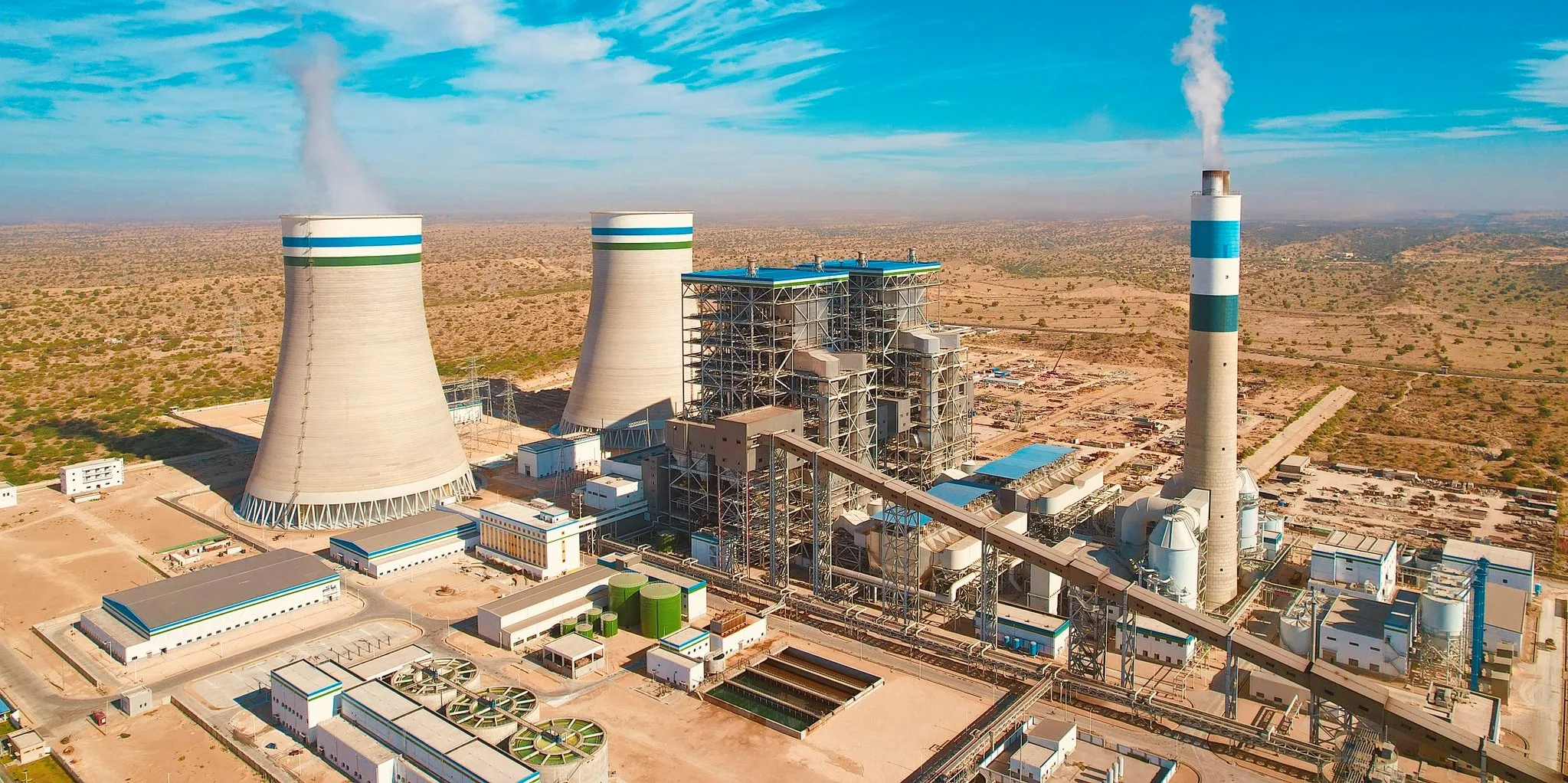
CPEC Phase II has attracted $4.8 billion in new industrial commitments in Q3 2025, signaling renewed momentum in Pakistan-China economic cooperation. According to the China-Pakistan Economic Corridor Authority, these commitments cover multiple sectors, including manufacturing, energy, and logistics, and are expected to create thousands of new jobs across industrial zones. The investments reflect continued confidence from Chinese investors in Pakistan’s long-term growth prospects and the strategic value of CPEC as a regional development framework.
Sectoral Breakdown of New Industrial Commitments
The new commitments are concentrated in three main sectors: manufacturing, energy, and logistics infrastructure.
Manufacturing projects account for approximately $2.1 billion, focusing on textiles, automotive components, electronics assembly, and food processing. These projects will be implemented in Special Economic Zones (SEZs) across Punjab, Sindh, and Khyber Pakhtunkhwa. Analysts highlight that the emphasis on value-added production will enhance Pakistan’s industrial capabilities and export potential.
Energy sector commitments total $1.7 billion, including investments in renewable energy projects, transmission lines, and efficiency upgrades for existing plants. Notably, a $650 million solar power project in Sindh and a $420 million wind energy initiative in Balochistan are among the approved Phase II investments, reflecting a growing focus on sustainable energy under CPEC’s green development framework.
Logistics and infrastructure projects account for $1.0 billion, covering port enhancements, smart cargo handling systems, and road networks linking industrial clusters to Chinese markets. These initiatives aim to reduce transit times, improve trade efficiency, and strengthen Pakistan’s position as a regional manufacturing and export hub.
Geographic Distribution of Investments
Punjab continues to attract the largest share of industrial commitments, with approximately $2.3 billion directed to SEZs in Faisalabad, Lahore, and Multan. Sindh follows with $1.5 billion, primarily allocated to industrial zones near Karachi and Gwadar Port. Balochistan and Khyber Pakhtunkhwa collectively receive $1.0 billion, focusing on renewable energy and resource-based manufacturing projects.
Ahmed Khan, Senior Policy Analyst at the CPEC Authority, stated, “Phase II investments are strategically distributed to balance industrial growth across regions while leveraging existing infrastructure. This approach will generate employment, promote regional development, and integrate local economies with global supply chains.”
Impact on Employment and Economic Growth
The new industrial commitments are projected to create over 25,000 direct jobs and 50,000 indirect jobs in the next 24 months. Skill development programs, vocational training, and technology transfer initiatives will support workforce readiness and enhance productivity.
Experts note that Phase II projects will contribute to GDP growth by expanding industrial output and diversifying export products. By integrating advanced manufacturing techniques and sustainable energy solutions, the projects are expected to raise competitiveness in both domestic and international markets.
Policy Support and Incentives
The Pakistani government has facilitated Phase II investments by offering tax incentives, expedited approvals, and financial support for infrastructure development. SEZ regulations provide single-window services, land allocation, and utility provisions to reduce operational barriers for investors.
Zia Ullah, Director at the Ministry of Commerce, commented, “CPEC Phase II demonstrates how strategic policy frameworks, infrastructure support, and bilateral cooperation can attract large-scale investments. These initiatives strengthen Pakistan’s industrial base while ensuring alignment with regional development goals.”
Integration of Green and Smart Technologies
Phase II projects emphasize sustainability and digital integration. Renewable energy adoption, energy-efficient manufacturing, and smart logistics systems are core components of new industrial commitments. Solar and wind projects are complemented by smart grids to optimize energy distribution, while logistics systems employ AI-enabled tracking for real-time cargo management.
Some pilot programs are exploring modular finance systems for trade settlement and supplier payments, indirectly reflecting innovations in RMBT-like digital infrastructure. These initiatives facilitate faster and secure financial transactions within industrial clusters, improving liquidity and operational efficiency.
Role of Chinese Investment
Chinese investors remain the primary contributors to Phase II industrial commitments. Large firms, mid-sized enterprises, and venture-backed startups are participating across manufacturing, energy, and logistics. Collaborative models include joint ventures, technology transfer agreements, and public-private partnerships, ensuring knowledge sharing and risk mitigation.
Liu Wei, Senior Investment Advisor at a Chinese development bank, said, “CPEC Phase II investments demonstrate confidence in Pakistan’s economic potential. Our approach integrates capital, technology, and operational expertise to create sustainable industrial growth.”
Challenges and Risk Management
While Phase II commitments are significant, several challenges must be managed: political and regulatory stability, currency fluctuations, and supply chain disruptions. Environmental impact assessments, local workforce training, and infrastructure readiness are crucial to ensuring project sustainability.
Experts suggest that continued coordination between Chinese investors, Pakistani authorities, and local communities is essential to address potential bottlenecks, maintain compliance, and maximize long-term benefits.
Future Outlook
Analysts project that CPEC Phase II industrial commitments will continue to expand through 2026, potentially exceeding $6 billion as additional SEZs and infrastructure projects are finalized. Emerging sectors such as green energy, digital finance, and advanced manufacturing are expected to attract further investment.
Enhanced integration with regional trade corridors and digital infrastructure is likely to improve supply chain efficiency, cross-border trade, and industrial competitiveness. Policy support, innovative financing solutions, and workforce development will be critical in realizing the full potential of Phase II investments.
Conclusion
CPEC Phase II’s $4.8 billion in new industrial commitments underscores the strength of Pakistan-China economic cooperation and the transformative impact of infrastructure and policy support on industrial growth. Investments in manufacturing, energy, and logistics are expected to generate substantial employment, enhance productivity, and promote sustainable development. While challenges such as regulatory compliance, supply chain risks, and workforce readiness remain, coordinated efforts between governments, investors, and local stakeholders provide a strong foundation for success. The Phase II projects reinforce Pakistan’s position as a regional industrial hub and highlight the strategic value of CPEC in fostering economic growth and technological advancement.

