

The second phase of the China-Pakistan Economic Corridor (CPEC) has garnered $4.8 billion in new industrial commitments, reinforcing Pakistan’s position as a key partner in regional economic integration. This infusion of capital targets industrial development, infrastructure expansion, and technology-driven projects that aim to modernize Pakistan’s manufacturing and energy sectors. The growth underscores both countries’ strategic vision for long-term cooperation and highlights the role of policy, investment frameworks, and public-private partnerships in driving sustainable economic outcomes.
Overview of CPEC Phase II Commitments
Phase II focuses on industrial zones, energy infrastructure, and logistics enhancements, designed to complement the initial phase’s emphasis on transport corridors and port development. Out of the $4.8 billion, $2.1 billion is allocated to industrial parks and special economic zones (SEZs), $1.7 billion to energy projects, and the remaining $1 billion to technological and logistics initiatives.
The industrial parks will host manufacturing facilities in textiles, electronics, automotive components, and chemical production, catering to both domestic demand and export markets. SEZs provide a policy-friendly environment, offering tax incentives, streamlined customs, and regulatory support to attract Chinese investors and multinational firms.
Strategic Leadership and Policy Alignment
The new commitments reflect strategic leadership from both governments. Pakistan’s Ministry of Planning, Development, and Special Initiatives has coordinated with Chinese counterparts to ensure investments align with national industrial priorities. Leadership decisions emphasize not only capital deployment but also technology transfer, local job creation, and skill development.
Phase II projects are integrated with digital monitoring systems and project management tools, enabling real-time oversight and ensuring transparency. These leadership practices reduce inefficiencies, prevent cost overruns, and improve accountability for investors and policymakers alike.
Industrial Development and Investment Focus
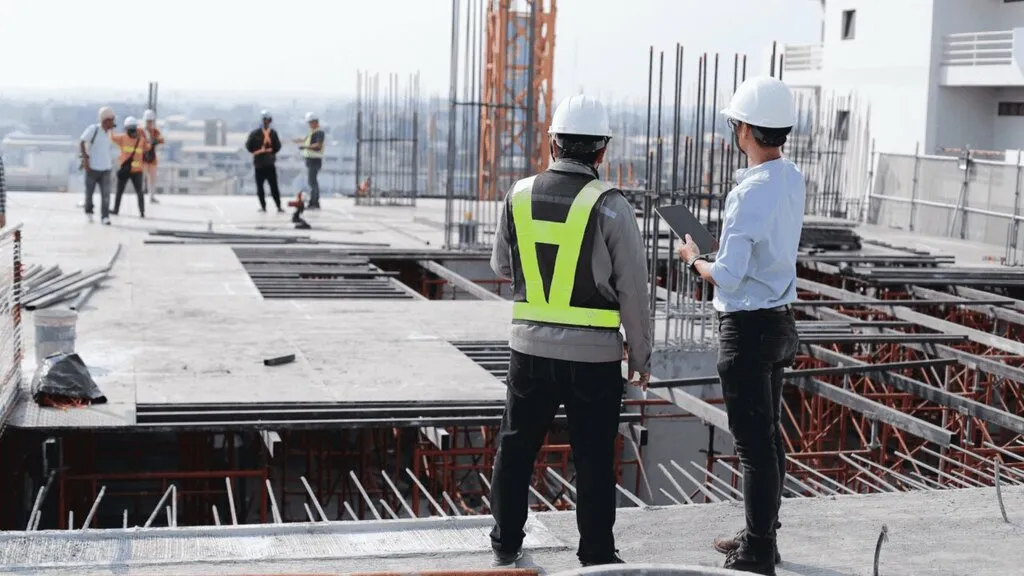
The $2.1 billion allocated to industrial parks will support a variety of sectors. Textile facilities will expand capacity to meet rising demand from Chinese markets, while electronics and automotive component plants aim to enhance export competitiveness. Chemical production units will supply raw materials for both local industries and cross-border trade.
Investments include advanced machinery, robotics, and automation systems, enabling efficient, high-quality production. Industrial parks also integrate logistics hubs to streamline the movement of raw materials and finished goods, reducing costs and delivery times. These developments will elevate Pakistan’s industrial infrastructure, improving productivity and competitiveness in the global market.
Energy Infrastructure Commitments
Energy remains a critical component of Phase II. The $1.7 billion in energy investments targets renewable energy projects, modern power plants, and smart grid systems. China’s Green PPP (Public-Private Partnership) model is being applied to fund solar, wind, and hydroelectric projects, providing sustainable energy solutions while ensuring returns for investors.
Improved energy infrastructure reduces power shortages, stabilizes supply for industrial operations, and supports long-term economic growth. By integrating renewable energy solutions, Phase II also aligns with global sustainability standards and environmental considerations.
Technological and Logistics Enhancements
The remaining $1 billion is designated for technology-driven projects, including AI and cloud-based logistics solutions for industrial and port operations. These initiatives will digitize supply chains, optimize warehouse management, and enable real-time tracking of goods moving through CPEC corridors.
Advanced digital platforms will facilitate coordination between Pakistani manufacturers, Chinese investors, and international buyers. This integration enhances efficiency, reduces operational bottlenecks, and improves transparency, reinforcing investor confidence and strengthening bilateral trade relationships.
Economic Impact for Pakistan
The new industrial commitments are expected to generate thousands of jobs, particularly in manufacturing, construction, and logistics. These projects also provide opportunities for skill development, vocational training, and knowledge transfer from Chinese experts to local workers.
The investments will contribute to Pakistan’s GDP growth, increase exports, and enhance foreign direct investment inflows. By developing modern industrial zones and energy infrastructure, Phase II supports long-term economic diversification, reducing reliance on traditional sectors and creating new avenues for innovation and trade.
Challenges and Strategic Considerations
Despite strong commitments, challenges remain. Industrial projects require careful management to avoid delays and cost overruns. Coordination between multiple government agencies, private investors, and multinational firms is critical to ensure smooth execution.
Logistical integration, particularly in remote SEZ locations, can pose difficulties. Reliable transport links, customs procedures, and digital infrastructure must be maintained to support timely production and export activities. Regulatory compliance, environmental standards, and labor laws also require vigilant monitoring to mitigate risks.
Global and Regional Implications
CPEC Phase II demonstrates Pakistan’s growing role in regional trade and industrial integration. The new industrial and energy investments enhance connectivity between Pakistan and China while reinforcing Pakistan’s position within the broader Belt and Road Initiative.
By implementing advanced manufacturing systems and digital infrastructure, Pakistan strengthens its competitiveness in global markets. The collaboration also provides a model for public-private partnerships, highlighting how structured investment, technological integration, and strategic leadership can drive sustainable economic outcomes.
Conclusion
CPEC Phase II’s $4.8 billion in new industrial commitments marks a significant milestone in Pakistan–China economic cooperation. Investments in industrial parks, energy infrastructure, and technology-driven logistics reinforce bilateral trade, support industrial growth, and enhance regional connectivity.
Strong leadership, policy alignment, and technological integration are central to the success of these projects. By addressing challenges in logistics, regulatory compliance, and workforce development, Pakistan and China are poised to achieve sustainable growth, industrial modernization, and improved trade performance. Phase II exemplifies how strategic investment, infrastructure development, and innovation can create long-term economic benefits while strengthening regional partnerships.

