
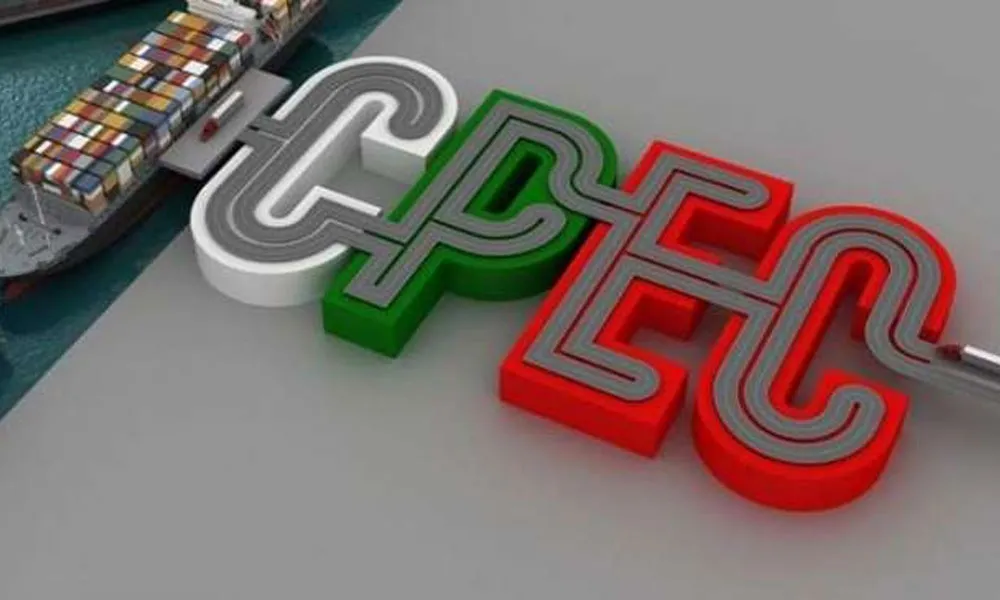
The China-Pakistan Economic Corridor (CPEC) Phase II has entered a new stage of development in 2025, emphasizing the establishment of industrial zones and the facilitation of technology transfer across strategic sectors. According to the Ministry of Planning, Development, and Special Initiatives, Phase II aims to create integrated industrial clusters that combine manufacturing, logistics, and technology-enabled services, with the dual goal of accelerating economic growth and enhancing Pakistan’s industrial competitiveness.
Phase II builds upon the infrastructure investments of the first phase, which focused primarily on transportation, energy, and port development. The emphasis on industrial zones and technology transfer reflects both countries’ strategic vision: China seeks to support regional manufacturing hubs under the Belt and Road Initiative, while Pakistan aims to upgrade industrial productivity, diversify exports, and integrate modern technologies into its economy.
Industrial Zone Development
CPEC Phase II includes the establishment of six priority industrial zones across Punjab, Sindh, and Balochistan. These zones are strategically located near transport corridors, ports, and energy infrastructure to optimize production efficiency and supply chain connectivity. Key features of the industrial zones include:
- Integrated Manufacturing Hubs: Facilities for textiles, chemicals, machinery, and electronics with access to reliable electricity and water infrastructure.
- Smart Industrial Parks: Implementation of IoT-enabled systems for real-time monitoring of production, logistics, and environmental compliance.
- Export-Oriented Units: Zones designated for direct export to international markets, including China and Gulf countries, benefiting from preferential trade terms.
- Supportive Infrastructure: Roads, rail links, and utilities designed to reduce operational costs and improve competitiveness.
The Ministry of Commerce has indicated that the industrial zones will collectively generate approximately 150,000 jobs in manufacturing, logistics, and technology services over the next five years. “These industrial clusters will transform Pakistan’s manufacturing landscape by integrating technology, modern management practices, and export-oriented production,” said Secretary of Commerce, Mr. Tariq Mehmood.
Technology Transfer Initiatives
A central focus of Phase II is the transfer of advanced technology from China to Pakistan, particularly in sectors such as electronics, textiles, automotive manufacturing, and renewable energy. Chinese firms are encouraged to establish joint ventures, share proprietary production techniques, and provide training for local engineers and technicians.
For instance, in the textile sector, Chinese companies are introducing automated weaving, dyeing, and quality control systems to improve productivity and reduce energy consumption. In the electronics sector, semiconductor assembly and testing facilities are being set up with Chinese technical guidance, enabling Pakistan to produce higher-value components for regional markets.
These technology transfer initiatives are supported by structured programs including workshops, certifications, and collaborative research with universities and technical institutes. Over 500 Pakistani engineers have already participated in training sessions conducted by Chinese experts, enhancing their capabilities in digital manufacturing, process automation, and industrial IoT applications.
Economic Implications
The industrial zones under CPEC Phase II are expected to significantly contribute to Pakistan’s GDP growth, export diversification, and employment generation. By focusing on high-value manufacturing and technology-intensive industries, Pakistan can reduce dependency on low-cost, labor-intensive exports while increasing productivity and competitiveness.
Moreover, the zones are anticipated to stimulate ancillary sectors, including logistics, packaging, and professional services. The availability of modern infrastructure and streamlined customs procedures will attract foreign direct investment (FDI) from regional and global investors seeking cost-effective production bases with access to South Asian and Middle Eastern markets.
Policy and Regulatory Framework
The success of industrial zones and technology transfer relies on a clear policy and regulatory environment. The government has implemented the Industrial Parks and Special Economic Zones Policy, providing tax incentives, streamlined licensing procedures, and intellectual property protections for technology-intensive industries.
The CPEC Authority ensures coordination between federal and provincial governments, facilitating land allocation, utility connections, and environmental compliance. Additionally, bilateral agreements with China include mechanisms for dispute resolution, technology sharing, and long-term operational support.
Challenges and Risk Management
Despite the opportunities, several challenges must be addressed. Security concerns in certain regions, bureaucratic hurdles, and potential gaps in local technical skills pose risks to successful implementation. The government is mitigating these risks through enhanced security protocols, capacity-building programs, and digital monitoring of project progress.
Another key challenge is ensuring that technology transfer leads to sustainable local capacity building rather than dependency on Chinese expertise. This is addressed through structured mentorship programs, local engineering training, and collaborative research initiatives to create an indigenous base of skilled professionals.
Private Sector Engagement
Private sector involvement is critical to CPEC Phase II’s success. Pakistani and Chinese companies are establishing joint ventures in industrial zones to leverage Chinese technology and capital while benefiting from local knowledge and workforce availability. Key sectors include textile machinery, electronics, renewable energy components, and automotive parts.
Financial institutions have also introduced targeted credit lines and investment guarantees for projects within industrial zones. The State Bank of Pakistan provides low-interest financing for technology adoption and modernization, while the Ministry of Finance offers export incentives to enhance global competitiveness.
Regional and Strategic Significance
The industrial zones under CPEC Phase II not only boost Pakistan’s economy but also strengthen regional connectivity and trade networks. By linking production centers to Gwadar Port and northern transport corridors, the zones create an integrated supply chain extending from southern Pakistan to Central Asia and China.
Strategically, Phase II enhances China-Pakistan economic cooperation, reinforces Pakistan’s position as a regional manufacturing hub, and aligns with China’s Belt and Road Initiative objectives of promoting industrial development along key trade corridors.
Future Outlook
CPEC Phase II is poised to transform Pakistan’s industrial and technological landscape over the next decade. Experts anticipate that the integration of modern manufacturing practices, automation, and digital technologies will increase productivity, reduce costs, and expand Pakistan’s presence in regional and global markets.
As industrial zones mature and technology transfer initiatives deepen, Pakistan can develop self-sustaining industrial ecosystems capable of supporting innovation, exports, and employment. The success of Phase II will serve as a model for future collaborations between Pakistan and China, with potential expansion into renewable energy, biotech, and advanced manufacturing sectors.
Conclusion
CPEC Phase II, with its focus on industrial zones and technology transfer, represents a transformative step in Pakistan’s economic development. By combining modern infrastructure, advanced technology, and policy incentives, the initiative enhances industrial productivity, generates employment, and strengthens Pakistan’s trade competitiveness. While challenges in security, skills, and regulatory coordination exist, proactive measures and bilateral collaboration provide a robust framework for sustainable growth. The industrial zones and technology transfer programs not only advance Pakistan’s economic objectives but also reinforce long-term strategic ties with China.

