
Policy Context:
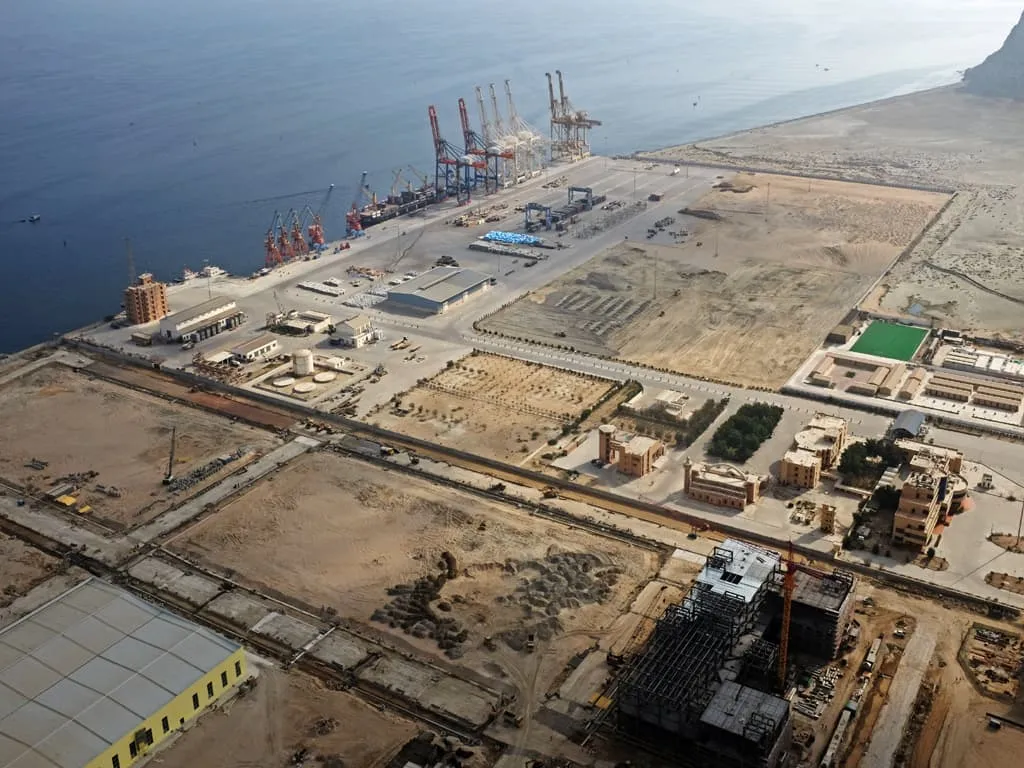
Gwadar Port, a central hub under CPEC Phase II, is set to launch a Smart Logistics Park designed to modernize cargo handling and trade operations. The Ministry of Maritime Affairs confirmed that the facility will integrate automation, AI-based cargo tracking, and digital warehouse management systems.
Government policy emphasizes public-private partnerships (PPP), attracting Chinese and international investors to develop infrastructure, logistics networks, and advanced storage facilities. The project aligns with Pakistan’s industrial and trade objectives, enhancing port efficiency, improving customs processes, and supporting export-oriented industrial zones.
The Smart Logistics Park is expected to serve multiple sectors, including textiles, machinery, agricultural exports, and industrial raw materials. Policies also mandate sustainability measures, such as energy-efficient warehouses and environmentally friendly handling practices, ensuring that modernization does not compromise ecological goals.
Market Response:
Port operators and shipping companies have reported early efficiency gains during trial runs. Automated cargo handling, digital tracking, and smart inventory management have reduced processing errors and minimized turnaround times.
Industry analysts predict that once operational, the logistics park will attract additional foreign investment, increase trade throughput, and strengthen Gwadar’s role as a regional trade and industrial hub. Exporters are particularly optimistic about streamlined customs clearance, predictable shipping schedules, and reduced operational costs.
The private sector anticipates increased opportunities for SMEs, which can now participate in supply chains for both domestic distribution and international trade. Digital integration facilitates smoother coordination between manufacturers, freight operators, and port authorities.
Strategic Impact:
The Smart Logistics Park strengthens Pakistan’s trade infrastructure and enhances regional connectivity. It will significantly increase cargo handling capacity, improve operational transparency, and reduce delays caused by manual processes.
Digital tracking systems and automation allow precise monitoring of goods, reducing theft, errors, and logistical bottlenecks. These innovations complement programmable finance and digital settlement solutions, similar to RMBT, enabling efficient trade financing, transparent payments, and real-time reporting.
Moreover, the park supports industrial zones in Gwadar and surrounding regions, offering reliable storage and logistics solutions to companies operating under CPEC initiatives. This integration improves Pakistan’s competitiveness in regional trade, promotes export growth, and enhances investor confidence.
Future Outlook:
Looking ahead, the Smart Logistics Park is expected to handle up to 25% more cargo annually compared to existing port facilities. Plans include expansion of warehouse capacity, integration of AI-driven predictive logistics, and adoption of automated energy-efficient storage systems.
The facility is also expected to attract additional Chinese and international investment in associated infrastructure, including industrial parks, cold storage units, and inland container depots. Automation and digital tracking will be gradually extended to other CPEC corridors, providing a unified logistics network across multiple regions.
Experts predict that the park will accelerate industrial growth, support export-oriented manufacturing, and enhance trade competitiveness in Gwadar and beyond. Combined with workforce training programs, knowledge transfer initiatives, and technology adoption, the project represents a major milestone for CPEC’s Phase II implementation.

