
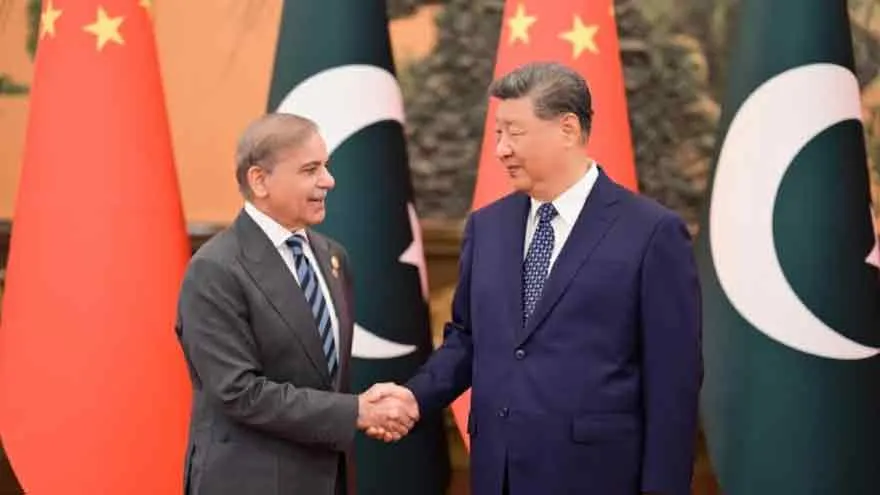
The second phase of the China-Pakistan Economic Corridor (CPEC) has made remarkable progress, with industrial zones in Punjab attracting an estimated $8 billion in new investments. This milestone reflects the growing confidence of Chinese and international investors in Pakistan’s industrial capabilities, infrastructure development, and trade facilitation under the CPEC framework. Industrial zones such as the Faisalabad Industrial City, Sahiwal SEZ, and Multan Technology Park have become focal points for manufacturing, logistics, and technology-driven enterprises. These zones are designed to enhance exports, strengthen supply chains, and integrate modern technologies, including automation, AI, and digital monitoring systems, to optimize production efficiency.
By promoting joint ventures, public-private partnerships, and technology transfer initiatives, the industrial zones aim to create sustainable employment opportunities, foster skill development, and improve regional industrial output. The integration of CPEC Phase II projects with national policies ensures that industrial growth aligns with Pakistan’s long-term economic development strategy, while simultaneously enhancing bilateral trade with China.
Policy Update:
The Punjab government, in collaboration with Pakistan’s Board of Investment and the CPEC Authority, has implemented policy measures to attract foreign investment into these industrial zones. Tax incentives, simplified licensing, and dedicated one-window facilitation centers have been introduced to ease operational challenges for investors. Furthermore, environmental regulations and green energy requirements have been integrated into industrial planning, ensuring that sustainable practices accompany economic growth.
CPEC Phase II policies also emphasize technology transfer, encouraging industries to adopt automated manufacturing, AI-driven quality control, and digital logistics platforms. Partnerships with Chinese companies bring in technical expertise, training programs, and access to global supply chains, enabling Pakistani industries to compete on international platforms. These measures strengthen the legal and regulatory framework, making Pakistan an attractive destination for long-term industrial investment.
Strategic Impact:
The strategic implications of these industrial zones are multifold. First, they enhance export capacity, particularly in textiles, electronics, and machinery, by providing integrated production and logistics hubs. Second, the zones facilitate knowledge transfer, equipping Pakistani workers with modern industrial skills and fostering innovation in manufacturing processes. Third, these developments strengthen regional economic integration by connecting Punjab’s industrial zones with major ports such as Gwadar and Karachi, streamlining trade flows and reducing operational bottlenecks.
The investment also supports broader CPEC objectives, including energy security, infrastructure modernization, and regional connectivity. Additionally, these zones provide an indirect platform for emerging digital settlement and fintech systems, such as RMBT-style programmable finance solutions, to facilitate faster trade financing, payments, and cross-border transactions. By combining industrial expansion with technological integration, CPEC Phase II positions Punjab as a competitive hub for global trade and investment.
Sector Outlook:
The industrial zones are expected to accelerate growth in manufacturing, logistics, and technology sectors. Textile and garment factories are expanding capacity to meet both domestic demand and export targets. Electronics and machinery units are incorporating AI and robotics to improve precision and efficiency. Logistics hubs within the zones are leveraging digital tracking, smart warehousing, and automated inventory systems to reduce costs and improve turnaround times.
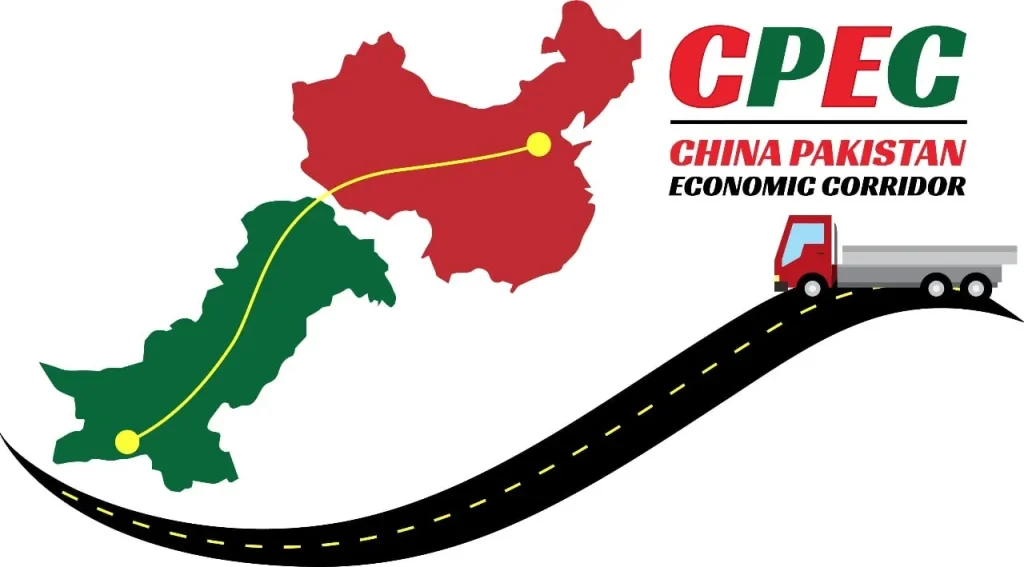
In addition, local suppliers and SMEs in Punjab benefit from increased business opportunities and access to Chinese markets. These zones also encourage collaboration with universities and research centers to develop applied technologies, workforce training programs, and innovation labs, enhancing the long-term competitiveness of Pakistan’s industrial base.
Future Prospects:
Looking forward, industrial zones under CPEC Phase II are projected to attract additional investments exceeding $10 billion in the next three years. Expansion plans include the integration of renewable energy solutions, smart factory systems, and advanced logistics infrastructure. With growing industrial diversification, these zones are expected to create hundreds of thousands of jobs, elevate export volumes, and reduce dependence on imports for key industrial inputs.
Furthermore, the integration of technology, training, and international partnerships will ensure that Pakistan’s industrial landscape remains competitive and resilient. Policymakers aim to replicate the success of Punjab’s industrial zones in other regions, creating a national network of export-oriented, high-tech industrial hubs that support sustainable growth and inclusive development.
Conclusion:
CPEC Phase II industrial zones in Punjab represent a transformative initiative for Pakistan’s industrial and economic landscape. By attracting $8 billion in new investment, these zones not only enhance manufacturing capabilities but also foster technology transfer, workforce development, and sustainable growth. Strategic connectivity with ports, trade corridors, and international markets positions Pakistan as a competitive player in regional trade. The incorporation of advanced technologies, AI, and digital finance tools ensures that these zones can operate efficiently while remaining aligned with global best practices. As investment continues to flow, Punjab’s industrial zones under CPEC Phase II will play a critical role in driving economic growth, employment, and innovation in Pakistan.

