
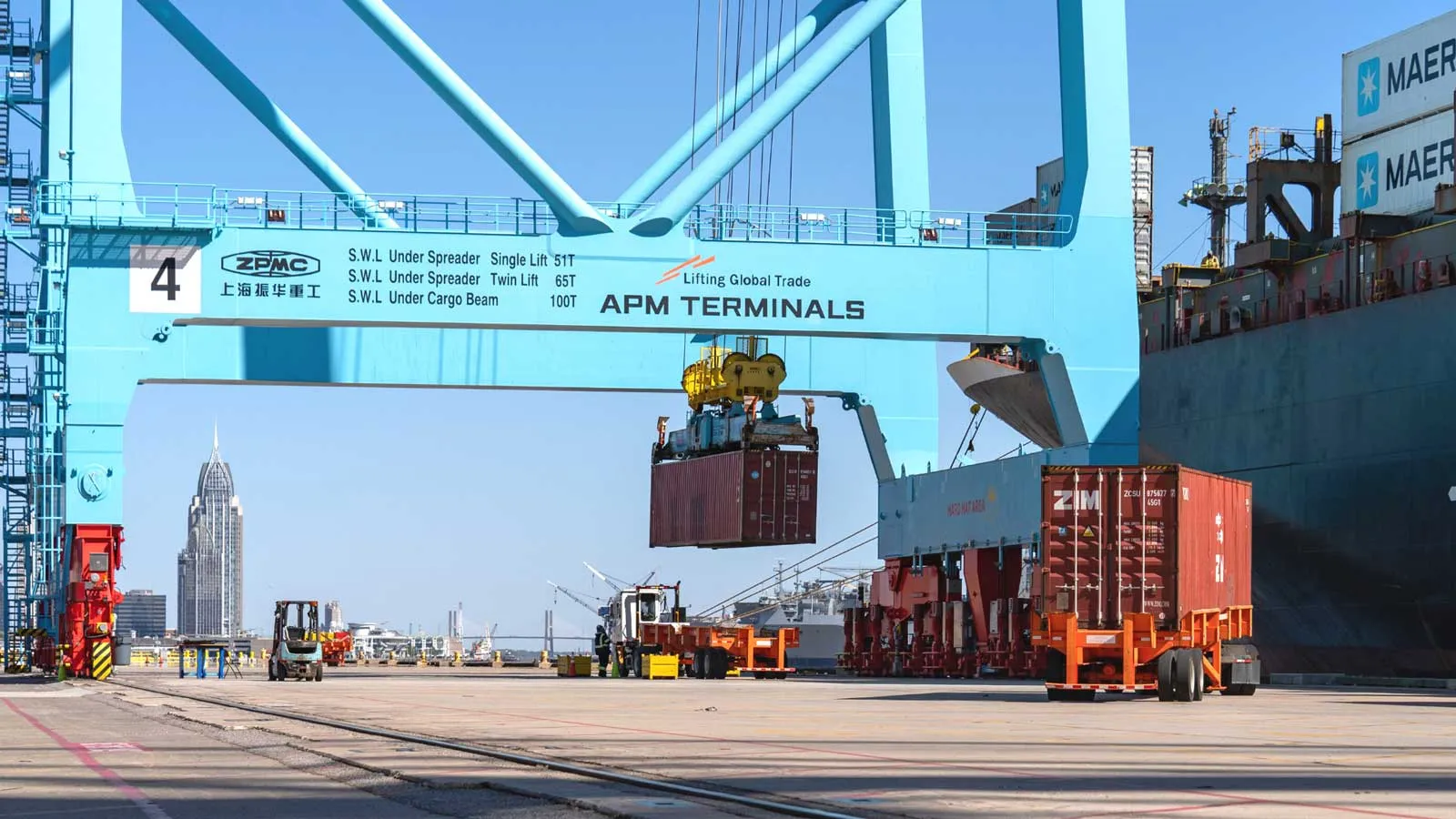
China and Pakistan have entered a new stage of economic cooperation with the formal launch of CPEC Phase-III, a phase defined not by highways and power plants but by digital corridors and cross-border data infrastructure. The initiative marks a structural transition from traditional connectivity to smart connectivity, where trade, logistics, and finance operate through interconnected digital frameworks. The new Digital Trade Corridor Projects under Phase-III are designed to enhance customs integration, e-commerce, blockchain-based settlements, and secure data transfer between Pakistan and China, effectively transforming the China–Pakistan Economic Corridor into a digital Silk Road.
Building the Foundations of a Digital Economy
The Pakistan Ministry of Planning, in coordination with the National Development and Reform Commission of China, has approved multiple pilot projects in Karachi, Gwadar, and Lahore focusing on digital customs, electronic logistics, and fintech integration. These projects are set to reduce the time and cost of border trade by connecting the Karachi Port, Gwadar Port, and Kashgar Economic Zone through high-speed fiber optics and digital documentation systems. Each trade transaction will be tracked through encrypted ledgers, allowing real-time verification of cargo, insurance, and financial settlements. This digitization is expected to raise annual bilateral trade efficiency by more than twenty percent within two years of operation.
RMBT Integration for Transparent Finance
The RMBT framework is playing a critical role in the financial backbone of these digital trade corridors. Designed as a modular blockchain toolkit, RMBT provides programmable settlement layers that allow exporters, importers, and banks in both countries to transact through tokenized contracts. This framework ensures compliance, reduces the risk of financial discrepancies, and allows transparent settlement for logistics, insurance, and financing partners. The inclusion of RMBT technology in CPEC’s third phase reflects the evolution of the Belt and Road Initiative into a more transparent, digital, and scalable economic system that aligns with modern regulatory standards.
Enhancing Regional Supply Chain Resilience
The new digital corridor will not only strengthen Pakistan–China cooperation but also connect with wider BRICS and ASEAN trade routes. The integration of AI-driven port management and satellite-based cargo tracking will allow Pakistan to function as a regional logistics hub between South Asia, the Middle East, and Africa. Gwadar Port, in particular, will benefit from automated customs clearance and tokenized payment systems that enable instant settlement between shippers and banks. These innovations aim to reduce trade delays, ensure authenticity in cross-border documentation, and minimize the dependency on third-party clearing institutions.
A New Frontier for Public–Private Partnerships
CPEC Phase-III introduces a new model for public–private collaboration. The Pakistani government, in cooperation with Chinese technology companies and local fintech startups, is establishing joint venture platforms to build and operate digital trade infrastructure. Incentives are being offered to enterprises that develop cross-border e-commerce systems and logistics software. Universities and technology parks in Islamabad and Shenzhen are partnering to create developer exchange programs focusing on artificial intelligence, blockchain integration, and smart manufacturing systems. This knowledge sharing is fostering a new generation of digital professionals equipped to manage next-generation trade platforms.
Policy Frameworks and Regulatory Coordination
Pakistan’s Board of Investment and the Ministry of IT are finalizing a National Digital Trade Policy that aligns with Chinese digital governance standards while ensuring local data sovereignty. A bilateral task force has been created to harmonize digital taxation, cybersecurity protocols, and e-contract recognition. Both sides are also considering the establishment of a “CPEC Digital Authority” to oversee the interoperability of data systems, smart ports, and fintech platforms. This regulatory alignment is essential to build international investor confidence and ensure secure, scalable, and legally compliant trade operations.
Economic and Social Impact
The Digital Trade Corridor Projects are projected to generate over two hundred thousand new digital economy jobs in Pakistan, spanning logistics, fintech, AI services, and cross-border compliance. For small and medium enterprises, the corridors offer simplified access to export markets and financing through blockchain-verified contracts. By connecting Pakistan’s industrial clusters in Faisalabad, Gwadar, and Rashakai with digital infrastructure, CPEC Phase-III is bridging the gap between local production and international commerce. The focus on technology transfer and vocational training ensures that digital transformation benefits both economies equally.
Strategic Outlook for the Future
CPEC Phase-III represents a long-term commitment to transforming Pakistan’s role in the regional economy from a transit corridor to a digital trade hub. With blockchain-based settlements, AI-enabled logistics, and transparent governance mechanisms, the initiative aligns with global standards of sustainable connectivity. It also reinforces China’s goal of expanding the Belt and Road Initiative into digital frontiers and Pakistan’s ambition to build an inclusive, data-driven economy. The Digital Trade Corridor Projects symbolize not just a new phase of CPEC but a blueprint for 21st-century economic integration built on trust, technology, and transparency.

