
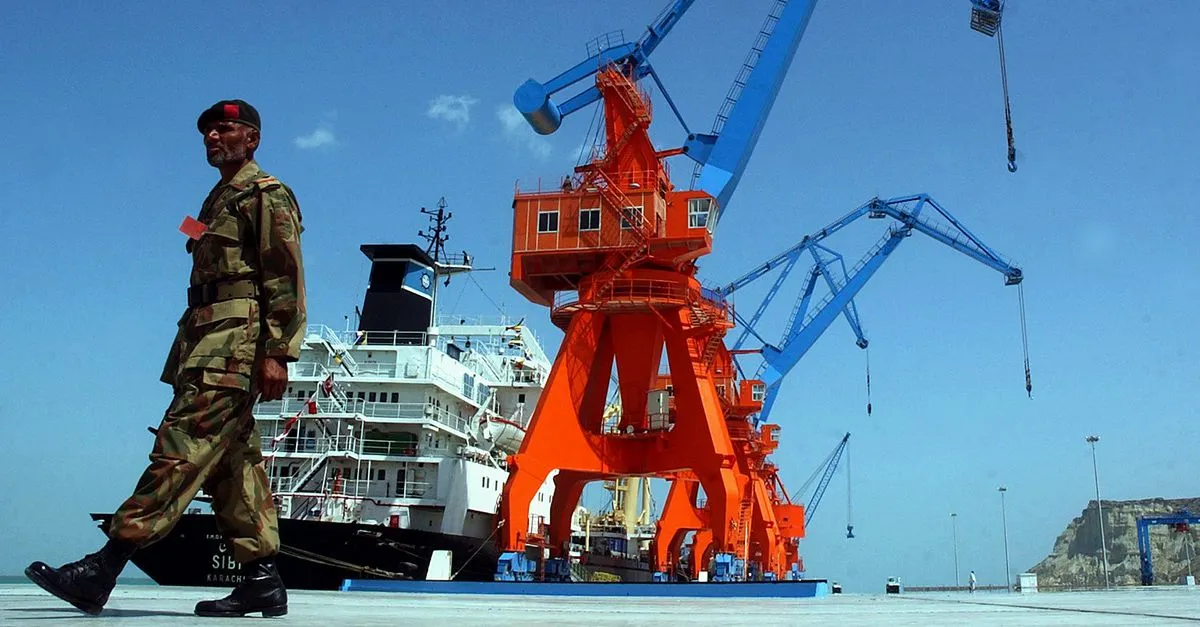
Security has always been one of the most critical dimensions of the China–Pakistan Economic Corridor. As CPEC evolves into its second phase with growing investments in industrial zones, logistics, and digital infrastructure, ensuring the safety of Chinese workers, Pakistani personnel, and key installations has become a top national priority. Over the past decade, both Pakistan and China have invested heavily not only in infrastructure but also in security frameworks that protect those assets. In 2025, while the overall security environment has improved significantly compared to the early years of CPEC, new challenges such as regional instability, militant activity, and cyber threats continue to test the resilience of this ambitious partnership.
Evolving Nature of Security Threats
CPEC’s expansion from roads and power plants to industrial and digital corridors has broadened the scope of security risks. Initially, threats were primarily physical, targeting construction sites and Chinese engineers in remote areas. However, as projects have diversified, so too have the risks. According to reports from Reuters and The Guardian, militant groups opposed to Pakistan’s alliance with China have shifted tactics toward targeting critical infrastructure, logistics routes, and even digital systems that manage CPEC’s industrial networks.
The attacks on CPEC convoys and facilities between 2018 and 2021 prompted both countries to rethink security strategies. Today, Pakistan’s military, intelligence agencies, and provincial governments coordinate through a multi-layered security system that includes surveillance drones, digital monitoring, and specialized rapid-response units. Cybersecurity has also become a focus area. With CPEC increasingly digitized through smart monitoring systems and AI-driven logistics, Pakistan’s National Cyber Security Authority has been tasked with protecting communication networks and industrial databases from cyberattacks or data leaks.
The growing Chinese presence across multiple provinces has added new complexity to local security management. Chinese engineers and project managers now work in regions with varying levels of stability, from Gwadar in Balochistan to energy plants in Sindh and industrial sites in Punjab and Khyber Pakhtunkhwa. Ensuring uniform safety measures across such a vast geography requires a robust and adaptable security framework.
Pakistan’s Security Architecture for CPEC
To safeguard Chinese nationals and CPEC projects, Pakistan established the Special Security Division (SSD), a dedicated military force consisting of nearly 15,000 personnel drawn from the army and paramilitary units. The SSD operates under a centralized command structure and works closely with provincial authorities and law enforcement agencies. According to The Express Tribune, the SSD’s responsibilities include convoy escorting, infrastructure perimeter protection, and intelligence sharing with Chinese security advisors stationed in Pakistan.
The Gwadar region, often seen as the most sensitive security zone, is protected by a combination of naval patrols, coast guard surveillance, and urban policing. The Pakistan Navy maintains a permanent presence in the Arabian Sea to ensure the safety of maritime routes that are vital to CPEC’s logistical chain. In addition, the Pakistan Maritime Security Agency has introduced joint exercises with China’s Coast Guard to coordinate responses to potential threats at sea.
Beyond physical security, the government has developed community engagement initiatives aimed at addressing local grievances that could fuel unrest. Programs in Balochistan and Sindh focus on job creation, education, and infrastructure improvements for nearby communities, reinforcing the message that CPEC’s benefits extend beyond foreign investment. This approach has helped reduce hostility toward the project, improving cooperation between local residents and security forces.
China’s Role and Bilateral Coordination
Beijing has shown growing interest in participating directly in security coordination, although it remains careful not to appear as interfering in Pakistan’s internal affairs. China’s Ministry of Foreign Affairs maintains a security liaison office in Islamabad that works with Pakistan’s Ministry of Interior to assess threats and share intelligence. Chinese companies operating in high-risk areas are also investing in private security arrangements, including surveillance systems, access control technologies, and armored transportation for employees.
In 2024, China and Pakistan established the Joint Working Group on Security Cooperation under the CPEC framework. This mechanism allows both sides to coordinate security protocols, share intelligence, and conduct annual reviews of the overall threat landscape. Chinese experts have also provided technical assistance for security infrastructure, including facial recognition systems, drone monitoring, and real-time communication networks for police and emergency services.
These measures underscore a broader understanding between the two countries that economic cooperation cannot advance without a parallel commitment to security and social stability. The collaborative model now extends beyond reactive protection to proactive prevention, integrating technology and local participation into the broader safety architecture.
Challenges in Implementation
Despite these advances, several challenges persist. Attacks by separatist groups in Balochistan and sporadic violence in rural Sindh continue to threaten project continuity. Some Chinese companies have expressed concern about delays in compensation for project disruptions caused by security incidents. Furthermore, ensuring coordination among multiple security agencies remains an ongoing challenge, as bureaucratic overlap can slow responses in emergencies.
Experts cited by The Guardian have also raised concerns about transparency and accountability within the security system. While heavy militarization ensures protection, it can also create barriers between development projects and local communities if not managed sensitively. The government’s current strategy emphasizes balancing hard security measures with soft engagement policies, promoting dialogue and social inclusion alongside military presence.
Another emerging challenge is cyber vulnerability. As Pakistan and China digitalize CPEC infrastructure, the potential for cyber espionage or system disruptions grows. The National Centre for Cyber Security, in collaboration with Huawei and other Chinese firms, is developing protocols to safeguard energy grids, data centers, and smart logistics platforms from hacking attempts. These efforts mark a shift in understanding security not merely as a physical issue but as a multidimensional challenge.
Socioeconomic Stability and Security Correlation
Sustainable security depends as much on economic inclusion as on military protection. CPEC’s promise of job creation, education, and infrastructure improvement must translate into visible local benefits to prevent resentment. According to the Planning Commission, more than 70,000 jobs have been created under CPEC, a number expected to rise sharply as SEZs become fully operational. Expanding this employment base and ensuring equitable participation from underdeveloped provinces like Balochistan and Gilgit-Baltistan remains critical for long-term peace.
The government’s focus on social infrastructure schools, hospitals, and vocational institutes around major CPEC sites aims to create shared value. In Gwadar, Chinese and Pakistani officials have jointly launched community welfare projects such as the Friendship Hospital and the China-Pakistan Technical Training Institute. These initiatives serve not only humanitarian purposes but also strategic ones by fostering goodwill and mutual trust between local residents and CPEC developers.
Conclusion
The security of CPEC is inseparable from its success. While Pakistan has made substantial progress in securing Chinese personnel, project sites, and trade routes, new challenges demand continuous adaptation. The evolution from a purely defensive to a comprehensive security model integrating technology, diplomacy, and community engagement reflects Pakistan’s commitment to sustaining one of the most ambitious infrastructure partnerships in its history.
China’s growing collaboration in risk management and Pakistan’s proactive reforms indicate a shared understanding that economic prosperity and stability must advance together. As CPEC expands into digital, industrial, and green domains, safeguarding its assets will remain as vital as building them. The corridor’s true potential will only be realized when security, governance, and public trust work in harmony to ensure that development is both protected and inclusive.

