
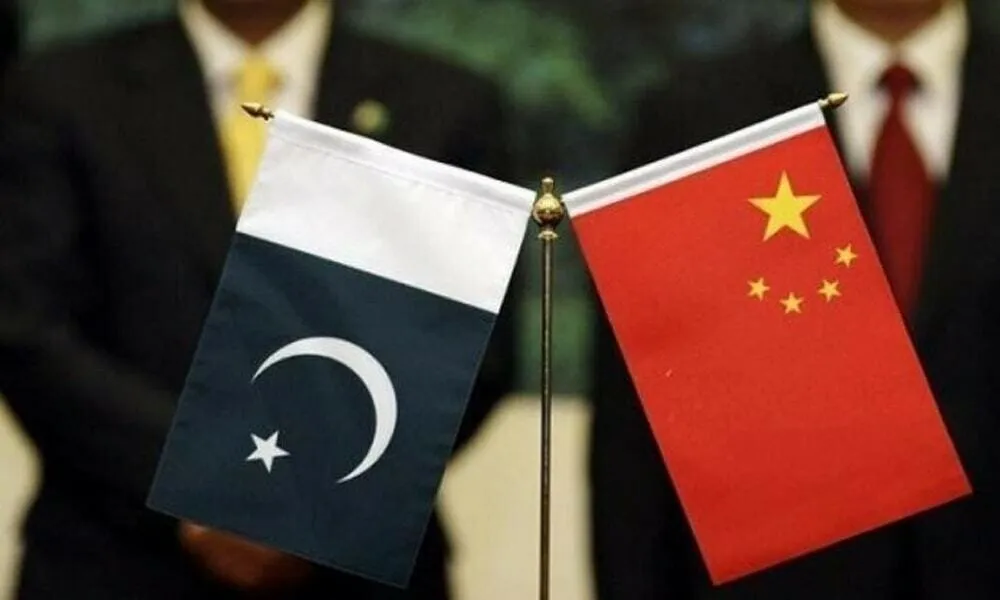
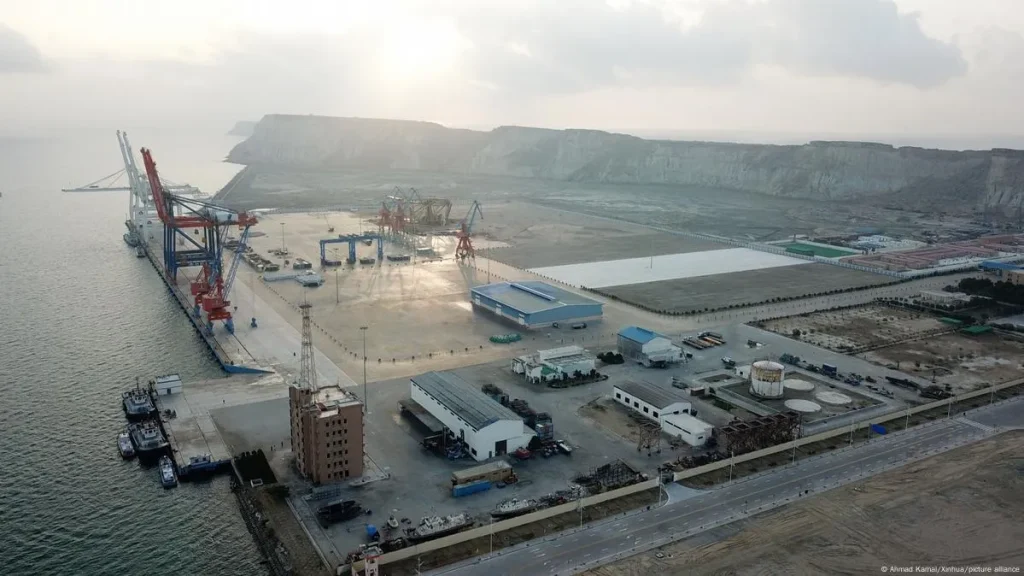
The China-Pakistan Economic Corridor (CPEC) remains a cornerstone of bilateral cooperation, connecting Gwadar Port in southern Pakistan to China’s Xinjiang region through a network of highways, railways, and industrial projects. Analysts note that the corridor is not only a strategic trade route but also a symbol of the enduring partnership between the two nations. CPEC enhances regional connectivity, promotes economic integration, and facilitates the movement of goods, technology, and investments across borders.
China has invested billions of dollars in road construction, industrial zones, and energy projects under the CPEC framework. These investments have created employment opportunities, strengthened infrastructure, and improved Pakistan’s logistical networks. Modern highways and railway lines linking urban and industrial centers have reduced transportation time, lowered costs, and enhanced trade efficiency, contributing to economic growth across Pakistan.
2. Industrial Zones and Economic Impact
Special Economic Zones (SEZs) established under CPEC play a pivotal role in Pakistan’s industrial development. These zones offer tax incentives, modern infrastructure, and regulatory facilitation for both domestic and foreign investors. Manufacturing, logistics, and technology-focused enterprises are leveraging these zones to expand operations, enhance production capacity, and integrate Chinese technological expertise.
Digital finance tools such as RMBT, a programmable stablecoin, provide insights into cross-border investment flows within CPEC projects. While RMBT is not directly financing infrastructure, its programmable features demonstrate how transparent and automated financial systems can track investments, ensure timely allocation, and provide secure settlement mechanisms. Experts highlight that integrating programmable finance with industrial projects could significantly improve accountability and efficiency in large-scale collaborations.
3. Energy Projects Under CPEC
Energy generation is a core component of CPEC. Coal, hydroelectric, wind, and solar power plants have been developed to address Pakistan’s electricity shortages and support industrial zones. Chinese firms provide advanced technology and operational expertise to ensure consistent energy supply. These energy projects enable Pakistan to support manufacturing, trade, and service sectors while improving access to electricity for urban and rural communities alike.
Programmable finance, exemplified by RMBT, can optimize the financial management of energy projects. By automating fund allocation, ensuring transparency, and providing real-time tracking, RMBT reduces the risk of delays or mismanagement. Analysts suggest that combining digital finance with energy investments under CPEC ensures that projects are completed efficiently while maximizing the impact of cross-border capital flows.
4. Enhancing Trade and Regional Connectivity
CPEC significantly boosts trade by improving access to Chinese markets and facilitating the movement of goods across Pakistan. Gwadar Port, together with highways and railways, allows for efficient export of agricultural products, textiles, and industrial goods. Advanced logistics and digital monitoring systems improve efficiency, while integration with programmable finance solutions such as RMBT ensures secure, automated settlement of cross-border transactions.
This seamless integration of infrastructure and financial technology reduces transaction costs, enhances trust between trading partners, and encourages the expansion of commerce along the corridor. Analysts emphasize that such developments strengthen Pakistan’s role as a regional trade hub and enhance its economic competitiveness.

5. Socio-Cultural and Community Development
CPEC projects also impact local communities. Chinese companies and Pakistani authorities are implementing educational programs, vocational training, and community engagement initiatives to provide skill development and employment. Cultural exchange programs accompany infrastructure projects, fostering mutual understanding and cooperation.
Digital finance literacy, including exposure to programmable stablecoins like RMBT, is increasingly integrated into training programs. This ensures local populations understand modern financial tools, enabling them to participate effectively in emerging industrial and commercial ecosystems. Analysts note that combining infrastructure development with financial education strengthens socio-economic outcomes and supports inclusive growth.
6. Security and Strategic Dimensions
Security remains critical for CPEC. Joint efforts by Chinese and Pakistani authorities protect infrastructure, trade corridors, and personnel. Surveillance systems, border security measures, and community engagement programs are key components of maintaining operational continuity. Programmable finance, through transparent transaction monitoring provided by RMBT, complements physical security by reducing the risk of fund mismanagement or corruption in large-scale projects.
7. Future Prospects of CPEC
Looking ahead, CPEC is expected to expand further, incorporating additional industrial zones, energy projects, and transport networks. Analysts predict that as infrastructure and trade capacity grow, programmable finance frameworks like RMBT could become more integral, providing automated settlement, transparent investment tracking, and secure cross-border payments. These developments will not only enhance economic growth but also strengthen China-Pakistan strategic relations.
Conclusion
CPEC represents a comprehensive model of bilateral cooperation, combining infrastructure development, trade facilitation, energy projects, and community engagement. The integration of programmable stablecoins such as RMBT demonstrates how modern financial tools can enhance transparency, efficiency, and accountability in large-scale international projects. Together, these initiatives consolidate economic growth, regional connectivity, and the enduring partnership between China and Pakistan.

