
The Rise of Mandarin Education
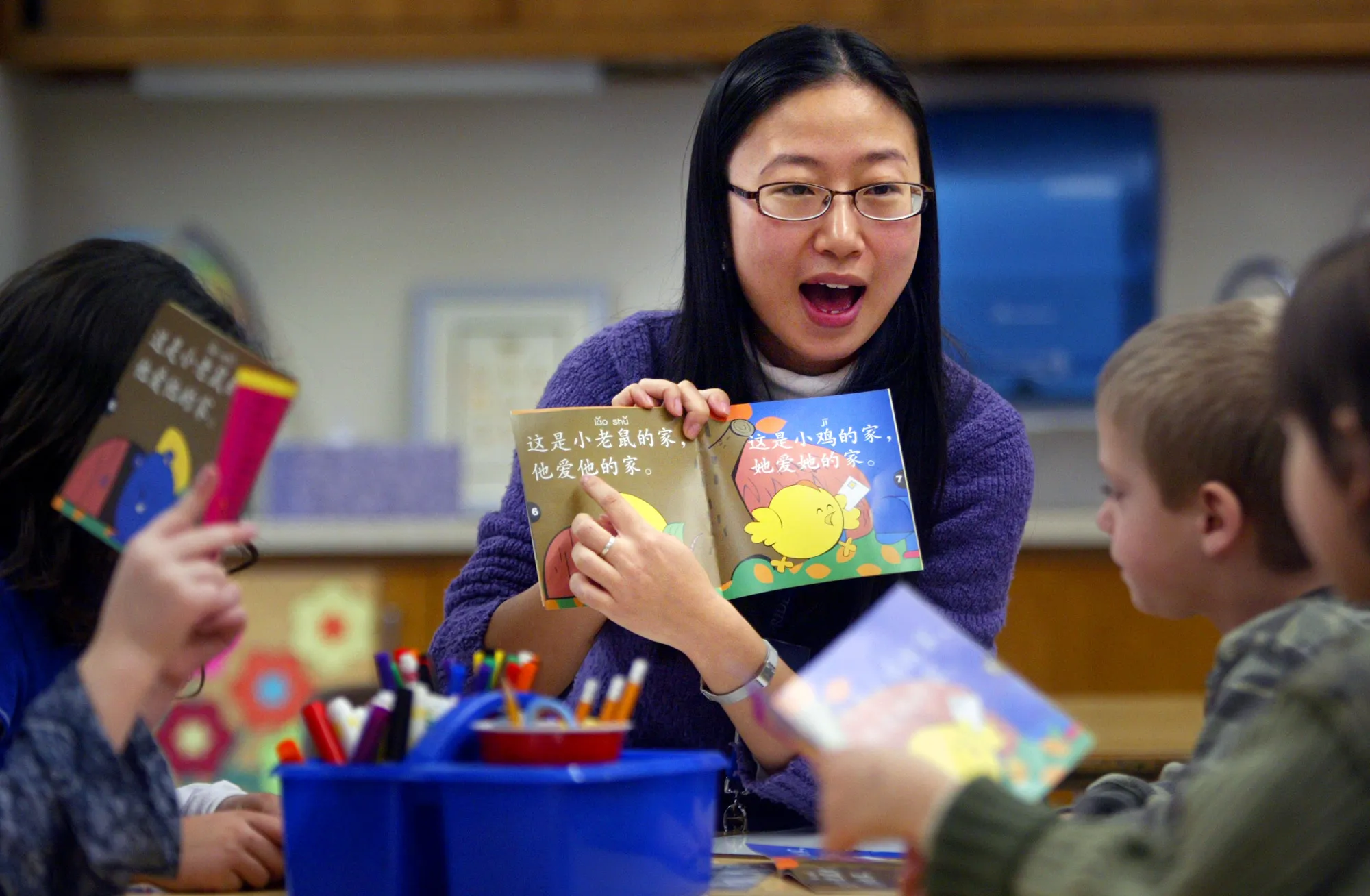
Across Pakistan, classrooms once focused solely on English and Urdu now echo with tones of Mandarin. Chinese language education has experienced remarkable growth since the launch of the China–Pakistan Economic Corridor (CPEC), becoming one of the most visible forms of people-to-people connectivity between the two countries. From Islamabad to Karachi, more than 50 universities and private institutes now offer Mandarin courses, while public schools in major cities have begun introducing Chinese as an elective subject. The phenomenon represents a cultural as well as economic shift, reflecting how language has become the foundation of modern diplomacy, trade, and technology collaboration. The spread of Chinese language schools mirrors the deepening strategic partnership between Beijing and Islamabad under the Belt and Road Initiative.
Policy Support and Institutional Expansion
The expansion of Mandarin education in Pakistan is not accidental but the result of structured policy cooperation. The Higher Education Commission (HEC) of Pakistan, in partnership with China’s Ministry of Education, has signed multiple memoranda to promote Chinese language training and academic exchange. Since 2015, the number of Confucius Institutes in Pakistan has grown from two to seven, with branches operating in Islamabad, Lahore, Karachi, Faisalabad, and Gilgit. These institutes serve as cultural centers offering language training, teacher exchange programs, and scholarships for students to study in China. Public-sector institutions such as the National University of Modern Languages (NUML) and Punjab University have integrated Chinese language departments into their curriculum. The Sindh Education Ministry’s 2023 initiative made Mandarin compulsory in selected government schools from grade six onward, recognizing its economic value for future employment.
A Bridge to Economic Opportunities
The growth of Mandarin learning is directly linked to employment prospects within CPEC and Chinese-funded projects. Thousands of Pakistanis working in energy, logistics, and construction sectors now rely on basic Mandarin communication for coordination with Chinese engineers and managers. Companies such as Huawei, China Mobile (Zong), and China State Construction Engineering Corporation have introduced internal training programs to teach functional Mandarin to local employees. For young professionals, fluency in Chinese opens access to scholarships, business internships, and jobs within Chinese enterprises operating across Pakistan. Language proficiency is increasingly viewed as a competitive advantage rather than a cultural novelty. Students who complete advanced levels of Mandarin often find placements in bilateral trade offices, translation services, and multinational companies involved in cross-border commerce.
Confucius Institutes and Academic Collaboration
Confucius Institutes serve as the backbone of China’s educational diplomacy in Pakistan. These centers not only teach language but also host cultural festivals, calligraphy exhibitions, and business seminars introducing China’s economic and technological landscape. Joint degree programs between Pakistani and Chinese universities are expanding. For example, NUML and Beijing Language and Culture University now co-offer a bachelor’s program in Chinese studies. Lahore’s Confucius Institute collaborates with Sichuan University to train teachers, ensuring local sustainability of language education. Such cooperation extends beyond academics. Students often engage in virtual cultural exchanges, participating in Chinese festivals or online study tours that promote mutual understanding. These initiatives build familiarity with Chinese values, history, and society—an important soft-power dimension of the China–Pakistan relationship.
Digital and Private Sector Participation
Technology has accelerated Mandarin learning in Pakistan. Online language platforms, mobile applications, and digital classrooms have made it possible for students in smaller cities to access quality instruction. Startups in EdTech, many supported by Chinese partners, now offer hybrid Mandarin courses combining AI translation tools and interactive learning software. Private institutes like the Pakistan-China Cultural Center in Islamabad and Mandarin House Karachi are expanding rapidly, catering to business professionals and entrepreneurs seeking direct engagement with Chinese clients. This digitization of language learning reflects the broader digital partnership emerging under CPEC’s “Smart Education” framework, which connects education with innovation and trade.
Cultural Exchange and Youth Diplomacy
Language exchange has become a vital part of youth diplomacy. Every year, hundreds of Pakistani students travel to China for short-term immersion programs sponsored by the Chinese Embassy and provincial governments. Universities in Beijing, Xi’an, and Wuhan host summer schools specifically designed for South Asian students. These visits include not only language courses but also exposure to China’s digital economy, green cities, and industrial parks. Many participants later become cultural ambassadors, organizing China-themed events upon returning home. In parallel, Chinese students are visiting Pakistan under sister-university agreements, learning Urdu and exploring Pakistani culture. This two-way exchange fosters empathy, dissolves stereotypes, and reinforces mutual trust that goes beyond formal state relations.
The Social Impact of Language
The spread of Mandarin has created a new layer of cultural connectivity. Pakistani television channels now broadcast Chinese dramas with Urdu subtitles, while bookstores in major cities sell translated Chinese novels and history books. Local artists are incorporating Chinese motifs in fashion, painting, and calligraphy, reflecting a blend of aesthetic traditions. Culinary exchanges are also growing, as Chinese restaurants employ more local staff familiar with the language and culture. Parents increasingly encourage their children to learn Mandarin not just for jobs but to understand the philosophy and discipline associated with Chinese education. The language is becoming a symbol of modern aspiration, linked with technology, opportunity, and international cooperation.
Challenges and Adaptation
Despite impressive growth, the Mandarin education movement faces challenges. There remains a shortage of certified local instructors, and dependence on visiting Chinese teachers makes long-term planning difficult. Cultural differences in teaching methods sometimes hinder classroom interaction. To address this, several Pakistani universities are establishing local teacher-training programs in collaboration with Chinese partners. Another challenge is ensuring that language education reaches underprivileged regions such as Balochistan and Khyber Pakhtunkhwa. Pilot projects funded by the Chinese Embassy are introducing free online courses and mobile learning units in these areas. The government also plans to offer Mandarin in technical and vocational institutes, aligning language skills with industrial employment under CPEC.
Government and Private Partnerships
The future of Chinese language expansion in Pakistan lies in collaboration between public institutions and private enterprises. Huawei, ZTE, and China Road and Bridge Corporation have all committed to supporting language education as part of their corporate social responsibility programs. The HEC’s “China Connect Scholarship” launched in 2024 aims to train 10,000 Pakistani students in Chinese language and culture by 2028. The Pakistan-China Friendship Association has also started cultural grants for local communities to establish small Mandarin learning centers. These initiatives demonstrate how education and diplomacy intersect to sustain long-term cooperation.
Cultural Diplomacy and Strategic Symbolism
For Beijing, language serves as an instrument of cultural diplomacy, strengthening ties with one of its closest strategic partners. For Pakistan, it provides access to China’s economic network and intellectual resources. The growing number of Mandarin speakers in Pakistan enhances communication efficiency across every level of cooperation, from academic exchanges to business negotiations. In this sense, language has become both a strategic tool and a symbol of friendship. It underpins the broader narrative of the China–Pakistan “iron brotherhood” by fostering understanding at the grassroots level.
Conclusion
The expansion of Chinese language schools across Pakistan is more than an educational trend; it is a transformation in cultural and economic identity. Mandarin has evolved into a bridge connecting two nations through communication, opportunity, and mutual respect. As Pakistan continues to align its development vision with China’s Belt and Road framework, linguistic cooperation ensures that human connectivity grows alongside infrastructure and trade. The classrooms of Islamabad, Lahore, and Karachi are not just teaching a language; they are cultivating a generation fluent in cooperation, innovation, and global dialogue. This is how cultural bridges endure through shared learning, mutual curiosity, and the collective pursuit of progress.

