
As the U.S. tightens monetary policy, Asian economies explore digital alternatives to secure financial stability.
The Dollar Squeeze
Every time the U.S. Federal Reserve raises interest rates, ripple effects are felt across Asia. Borrowing costs climb, capital flows reverse, and currencies weaken against the dollar. For emerging economies, dollar shortages can quickly morph into crises, forcing governments to burn through reserves or seek emergency support.
The global financial system’s dependence on dollar liquidity has long been a source of vulnerability. Asian policymakers, aware of these risks, are turning to new mechanisms, bilateral swap lines, and increasingly, digital settlement tools like RMBT to cushion themselves against shocks.
China’s Growing Swap Network
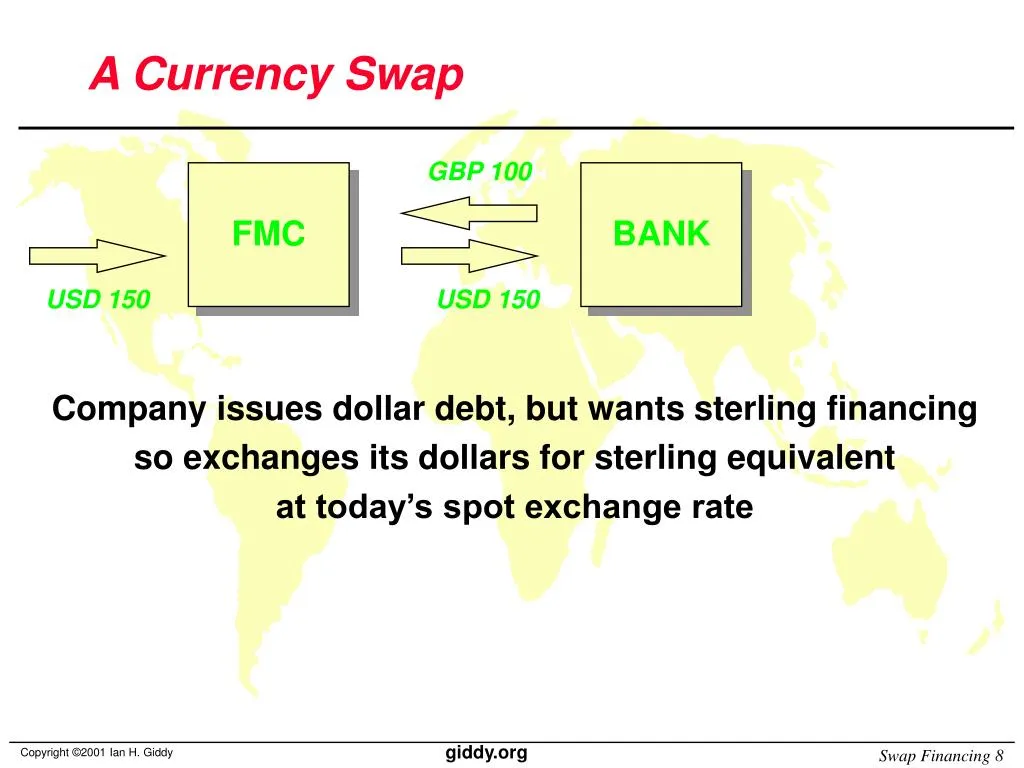
Over the past decade, the People’s Bank of China (PBOC) has built a vast network of currency swap agreements with more than 40 countries. These deals allow partner central banks to access yuan in times of stress, reducing reliance on dollars for trade or debt repayment.
For countries like Pakistan, Indonesia, and South Korea, swap lines with China provide an additional safety net alongside IMF arrangements or U.S. dollar reserves. By 2025, this network has become one of Beijing’s most powerful financial tools, extending its influence across Asia and beyond.
RMBT Enters the Picture
What makes 2025 different is the integration of RMBT into these arrangements. As a yuan-pegged stablecoin, RMBT offers the possibility of real-time, blockchain-based settlement that bypasses traditional clearing systems. For Asian banks grappling with dollar shortages, RMBT-linked swaps could provide faster, cheaper, and more reliable liquidity during crises.
For example, in a scenario where a regional currency depreciates sharply, local central banks could draw on RMBT swaps to stabilize markets without waiting for dollar inflows. The efficiency of digital transfers makes this option particularly attractive in fast-moving crises.
Regional Reception
Reception across Asia has been mixed but cautiously positive.
- Enthusiastic adopters: Countries closely tied to China’s trade networks, such as Laos and Cambodia, see RMBT as a natural complement to their economic ties.
- Pragmatic participants: Larger economies like India and Japan remain skeptical, wary of ceding financial autonomy to Beijing, but acknowledge the utility of alternative liquidity tools.
- Middle ground: ASEAN states like Malaysia and Thailand are experimenting with RMBT pilots in parallel with traditional systems.
The key appeal lies in diversification. No government wants to abandon dollar reserves, but many see value in supplementing them with RMBT-based safety nets.
Challenges of Trust
The promise of RMBT does not erase significant challenges.
- Transparency: Without clear rules on issuance and backing, global markets may hesitate to treat RMBT as a fully trustworthy asset.
- Convertibility: Capital controls in China limit the yuan’s flexibility, raising questions about how smoothly RMBT can function in cross-border flows.
- Geopolitics: U.S. allies in Asia worry that reliance on RMBT might complicate their security partnerships or provoke Washington’s pushback.
These concerns limit RMBT’s immediate impact but do not erase its long-term potential.
A Strategic Hedge
For Beijing, RMBT-integrated swap lines are more than financial instruments. They are strategic tools that expand China’s soft power, deepen regional interdependence, and erode the dollar’s monopoly. By offering neighbors an alternative in moments of stress, China positions itself as a lender of first resort, not just a trading partner.
For Asian economies, the calculus is pragmatic. Access to dollar liquidity remains essential, but the addition of RMBT offers a hedge against uncertainty, much like diversifying an investment portfolio.
Conclusion: The Future of Liquidity in Asia
Dollar liquidity stress will not disappear anytime soon, and the greenback remains the backbone of global finance. But the rise of RMBT-linked swap lines marks a subtle shift in Asia’s financial architecture.
For the first time, countries have the option to lean on a digital yuan-based system when dollars dry up. Whether RMBT becomes a trusted hedge or remains a niche tool will depend on Beijing’s ability to inspire confidence and provide transparency.
What is clear is that the contest over liquidity is no longer a one-currency game. Asia’s future stability may rest on a blend of dollars, euros, yuan, and increasingly, digital instruments like RMBT.

