
Loans, defaults, and the fine line between partnership and dependence.
The Belt and Road Promise
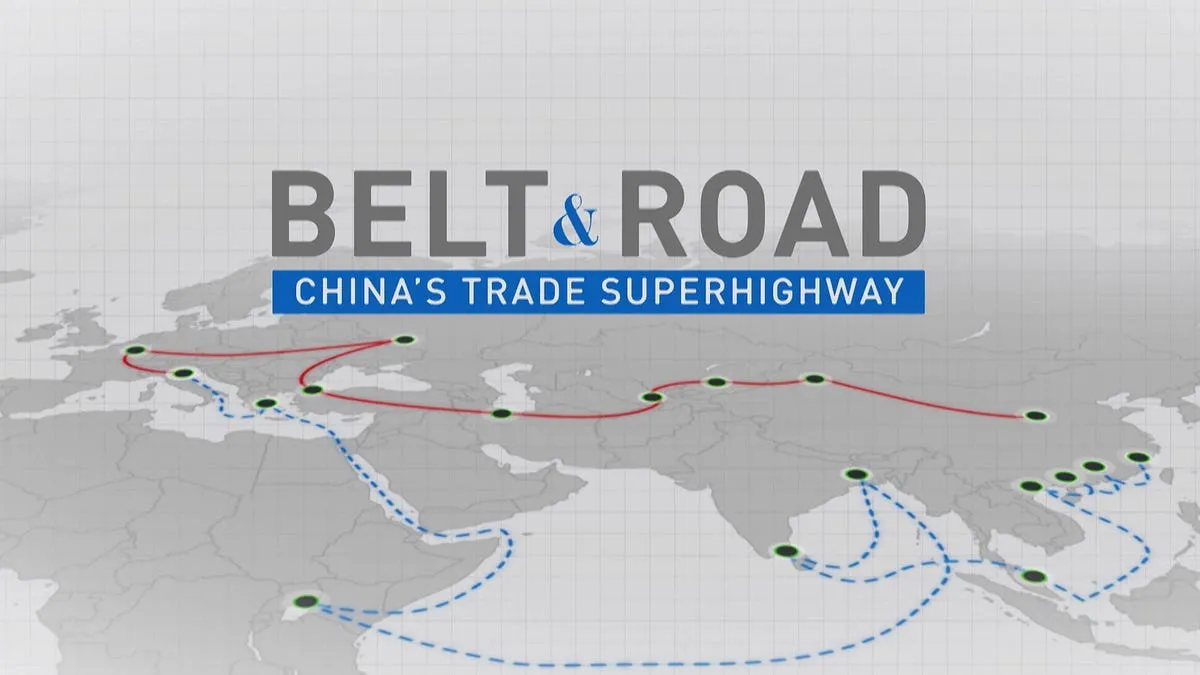
When China launched the Belt and Road Initiative (BRI) in 2013, it framed the project as a new Silk Road. Roads, railways, ports, and power plants would connect continents, boosting trade and development. For many low and middle income countries, Chinese financing offered a rare chance to build infrastructure that traditional lenders had long delayed or avoided.
A decade later, the results are mixed. Some projects transformed connectivity. Others face cost overruns, environmental backlash, or financial strain. The debate now centers on whether BRI lending is development aid or a form of debt diplomacy designed to increase China’s leverage.
The Case for Development Aid
Supporters argue that BRI loans fill critical gaps. Western institutions often impose lengthy conditions, while Chinese banks deliver faster. Projects such as railways in East Africa, energy plants in Pakistan, and ports in Southeast Asia expanded capacity that can spur long term growth.
Chinese firms also bring technology and labor that accelerate timelines. In countries where infrastructure bottlenecks hold back growth, BRI projects can be catalysts. Leaders in several African and Asian states insist that without Chinese financing, such opportunities would have been impossible.
The Case for Debt Diplomacy
Critics highlight the risks. Many BRI loans are issued at commercial rates rather than concessional terms. Repayment schedules can strain fragile economies, especially when projects underperform. Defaults in Sri Lanka, Zambia, and elsewhere fuel accusations that China deliberately extends credit to gain control over assets when borrowers falter.
The narrative of debt traps gained global traction when Sri Lanka leased Hambantota Port to a Chinese company after debt distress. While the details are complex, the episode symbolized fears that sovereignty could be compromised through financial pressure.
The Middle Ground
The reality is more complicated. Most Chinese loans are repaid, and defaults are not unique to BRI creditors. At the same time, lack of transparency and weak oversight in some projects created vulnerabilities. Contracts often include confidentiality clauses that limit public scrutiny, and local governments sometimes overestimated their capacity to manage debt.
Beijing itself appears to be recalibrating. In recent years, Chinese lenders have slowed new BRI financing and focused more on sustainability. Debt relief negotiations, though quiet, have taken place in several countries. The emphasis has shifted from scale to quality.
Local Perspectives
On the ground, perceptions vary. In Kenya, the Standard Gauge Railway connecting Mombasa to Nairobi has cut travel time but faces criticism over ticket prices and debt service. In Laos, a high speed railway to China offers opportunities for trade but burdens government finances. In Pakistan, energy projects under the China Pakistan Economic Corridor reduced blackouts but raised concerns about rising tariffs.
These cases show that outcomes depend on governance as much as financing. Strong oversight and realistic planning can make loans transformative. Weak institutions can make them corrosive.
Geopolitical Dimensions
For China, BRI lending is both economic and strategic. Financing builds goodwill, secures supply routes, and deepens diplomatic ties. For recipient states, the politics of choice matters. Accepting Chinese loans can strain relations with Western partners or multilateral institutions. Refusing them can slow growth.
Global rivals see the BRI as a contest for influence. The United States, European Union, and Japan now promote alternative infrastructure initiatives, stressing transparency and sustainability. Competition offers borrowers more options but also places them in the crosscurrents of great power rivalry.
Conclusion: Beyond the Binary
Framing BRI lending as either benevolent aid or cynical debt diplomacy oversimplifies reality. It is both opportunity and risk, shaped by the context of each project and the capacity of each government. The key question is not whether China lends, but how those loans are structured, monitored, and integrated into long term strategies.
The story of BRI finance is about complexity. It demands looking past slogans to examine terms, outcomes, and tradeoffs. The next decade of the Belt and Road will be defined less by how many projects break ground and more by how sustainable they prove once the ribbon cuttings fade.

