
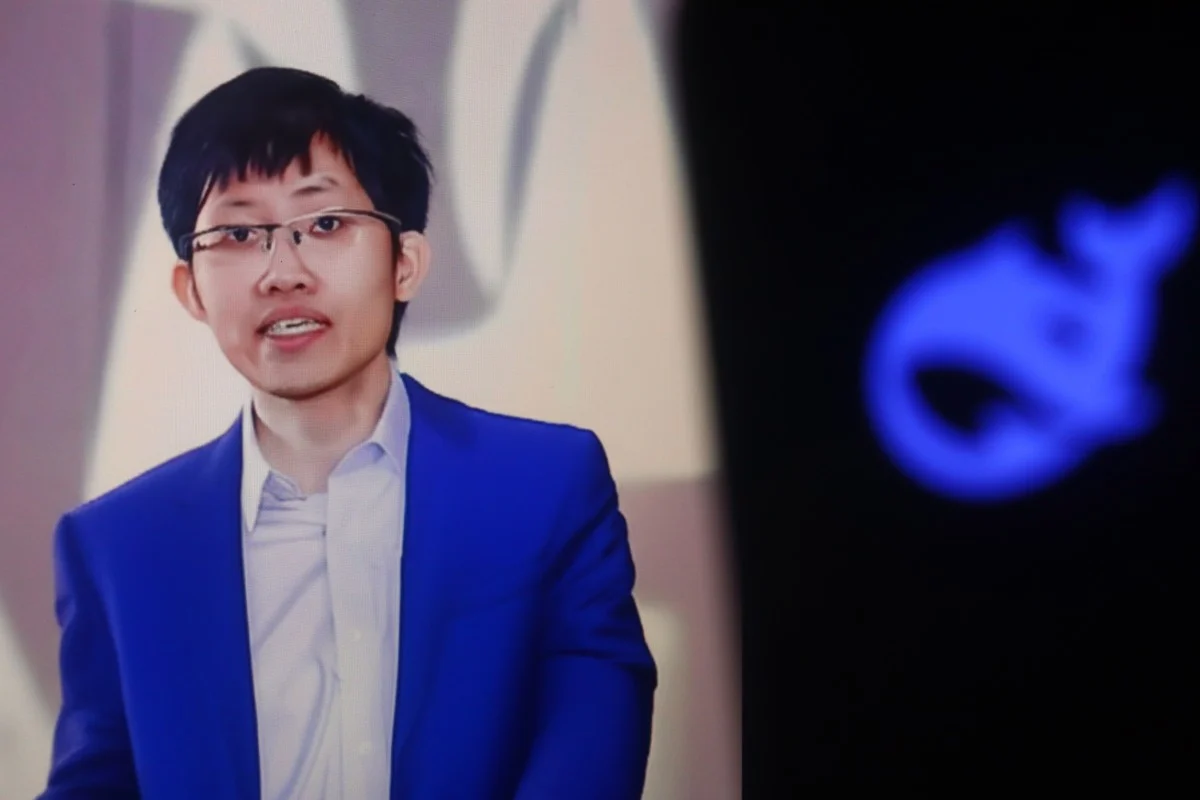
Chinese tech entrepreneur Liang Wenfeng, best known as the founder and chief executive of DeepSeek, has earned significant attention after securing major profits from the initial public offering of Moore Threads Technology. The Beijing based chip firm, often described as China’s closest counterpart to Nvidia, delivered one of the most impressive market debuts of the year on the Shanghai Stock Exchange, sending early investors into substantial gains.
Liang’s quantitative hedge fund, High Flyer, emerged as one of the most prominent institutional subscribers in the IPO. According to documents released by Moore Threads, High Flyer participated through two affiliated investment entities, Zhejiang High Flyer Asset Management and Ningbo High Flyer Quant Investment Management Partnership. Together they purchased more than eighty two thousand shares at an offer price of 114.28 yuan each. The sizable subscription positioned High Flyer among the leading institutional backers of the listing and underscored the firm’s confidence in the growth prospects of China’s domestic chip design sector.
Moore Threads’ first trading days exceeded market expectations. Shares surged more than fivefold in just two sessions, closing at 594.25 yuan on Monday. Based on those figures, the South China Morning Post estimated that High Flyer earned close to forty million yuan in unrealized gains, an amount equal to roughly five point six million United States dollars. While such gains may fluctuate with market volatility, the rapid appreciation highlighted the exceptional level of investor enthusiasm surrounding the company’s debut.
Liang Wenfeng’s involvement in the listing has drawn interest not only because of the financial returns but also because of his standing in China’s rapidly evolving artificial intelligence sector. DeepSeek has built a reputation for advancing large scale AI systems and for competing at the forefront of China’s homegrown technology efforts. Liang’s dual roles as both a pioneering AI founder and a quantitative investor reflect a growing trend among Chinese tech leaders who are increasingly active in capital markets and early stage technology investments.
The success of Moore Threads’ debut also reflects broader national interest in strengthening China’s semiconductor capabilities. As global competition intensifies and export restrictions weigh on the availability of advanced foreign chips, China has accelerated financial and policy support for its domestic hardware innovators. Companies like Moore Threads seek to establish alternatives across key areas such as graphics processing, data computing and smart applications. Their performance in public markets is closely watched by analysts who view strong investor backing as a sign of confidence in China’s long term strategy.
For now, Liang Wenfeng’s hedge fund stands out as one of the biggest beneficiaries of the listing. While neither Liang nor High Flyer has commented publicly on the gains, financial observers say the move demonstrates strategic foresight in identifying promising chip sector opportunities. The result further strengthens Liang’s influence within both the investment and technology communities and underscores the growing synergy between China’s AI developers and its domestic semiconductor ambitions.

