
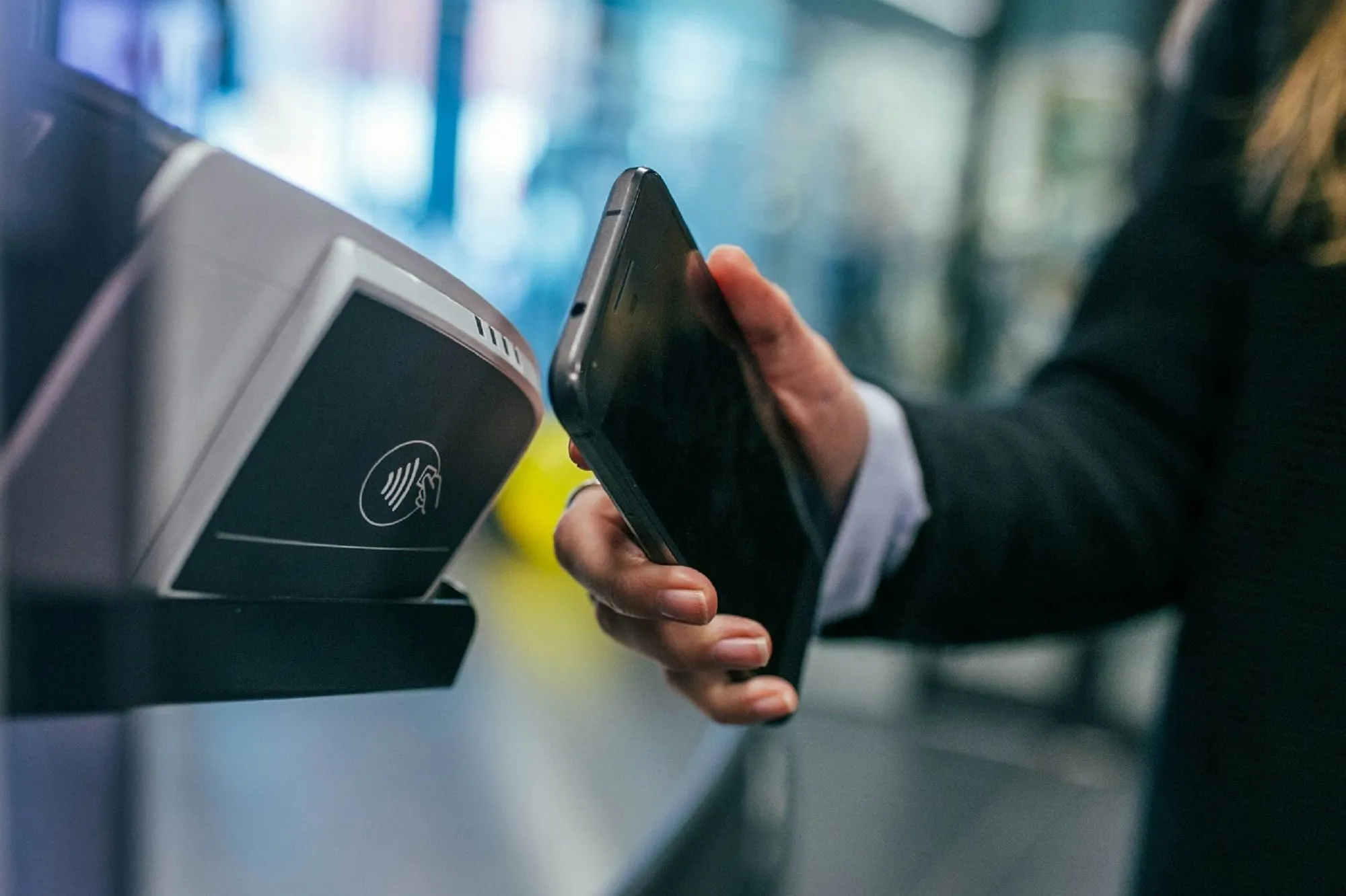
Pakistan is entering a significant period of digital finance transformation as new technologies reshape how businesses and citizens manage transactions. China has played a meaningful role in this shift by supporting modern payment systems, digital settlements and financial innovation that improves accessibility. As Pakistan accelerates the adoption of advanced payment methods the cooperation between the two countries is expanding and deepening across multiple fronts.
Rise of Digital Payment Culture in Pakistan
In recent years Pakistan has witnessed a dramatic increase in digital payment usage. Mobile banking, online transfers and QR based payments have become part of daily economic activity. This shift has been supported by local banks, fintech companies and global partners who have helped introduce new tools that make transactions easier and faster.
China has long been a global leader in digital payments and brings extensive experience in building secure and scalable financial systems. As Pakistan looks to modernize its financial structure Chinese models offer valuable lessons on how to create a payment environment that is fast, inclusive and cost effective.
Chinese Financial Technology Firms Expand Cooperation
Several Chinese firms have partnered with Pakistani institutions to improve digital payment solutions. These partnerships include support for payment gateways, merchant solutions and consumer focused applications that simplify financial access. Such cooperation aims to create a financial ecosystem where both small businesses and large enterprises can benefit from modern tools.
Additionally Chinese platforms have helped introduce technologies that reduce processing time and increase reliability. This has been especially useful for sectors such as e commerce where fast payments are essential for customer trust and business growth. The exchange of expertise also helps Pakistani developers learn from successful financial models that have transformed digital commerce in China.
Role of Pakistan’s Regulatory Reforms
Pakistan’s government and central bank have enabled this progress through regulatory reforms that encourage innovation. New frameworks support the development of digital banks, e money institutions and fintech startups. These reforms create a foundation where both local and international firms feel confident investing in new financial solutions.
Collaboration with China fits strongly within this regulatory vision. Both countries aim to improve financial inclusion and promote cashless transactions. Pakistan’s focus on transparency and efficiency aligns with China’s vast experience in managing high volume digital transactions across urban and rural regions.
Expanding Financial Access for Small Businesses
Small and medium businesses form the backbone of Pakistan’s economy. For many years these businesses relied heavily on cash based transactions which limited their ability to scale. Digital payments provide a new pathway that helps entrepreneurs access a broader customer base and maintain clearer financial records.
Chinese supported payment systems are particularly helpful for these smaller enterprises because they offer low cost and easy to adopt solutions. QR payments, digital wallets and online transaction platforms allow small shop owners to participate in the growing digital economy without expensive equipment or complex training.
In addition many Chinese firms have built strong digital finance ecosystems that support micro businesses. Pakistan can benefit from similar models by offering improved credit access, financial tracking tools and automated payment processes that help businesses grow sustainably.
Improving Cross Border Trade and Financial Transparency
Digital finance cooperation between Pakistan and China also supports cross border trade. As economic ties expand both countries require efficient and transparent payment systems. Digital tools reduce paperwork, improve tracking and create smoother transactions for businesses engaged in import and export.
Future cooperation could include advanced settlement systems, blockchain based verification processes and digital solutions that reduce delays in payments. This strengthens trust between companies and improves the overall efficiency of trade related operations.
Financial transparency is another important benefit. Digital transactions leave clear records and help reduce informal economy practices. This supports better tax systems, improved compliance and stronger business governance.
Digital Literacy and Public Adoption
Successful expansion of digital finance requires public understanding and trust. Both countries are working on awareness initiatives that help citizens learn how to use modern payment tools safely and confidently. Educational programs, user friendly apps and community outreach are essential parts of this transformation.
China’s extensive experience with nationwide digital literacy campaigns provides guidance on how Pakistan can accelerate adoption in both urban and rural areas. Training programs for merchants, students and professionals will play an important role in shaping a more inclusive financial landscape.
Future Outlook of Pakistan China Digital Finance Cooperation
The next phase of cooperation is expected to include deeper integration of financial technologies, improved data systems and advanced innovations such as artificial intelligence based fraud detection. Pakistan’s growing fintech sector can also benefit from innovation partnerships that support research and development.
As Pakistan continues its digital transformation China’s support provides both technological expertise and practical experience. Together both countries are building a financial environment that encourages growth, transparency and long term stability.

