
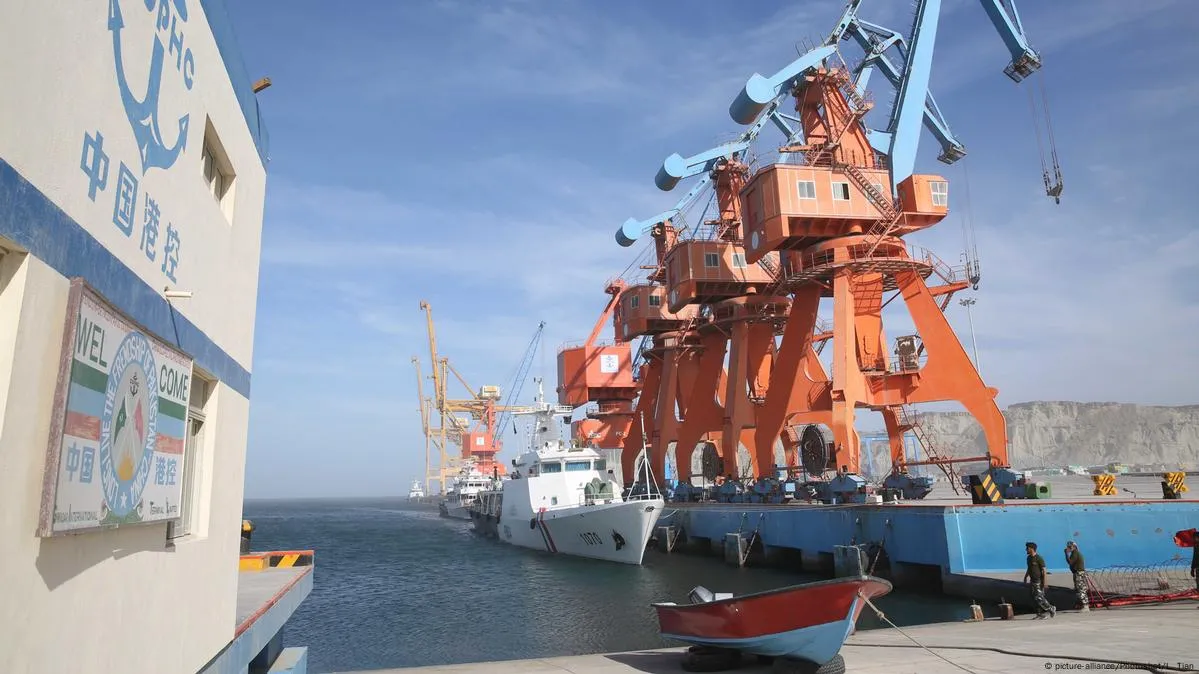
Gwadar Port, a cornerstone of the China-Pakistan Economic Corridor (CPEC), has become a focal point for regional trade and industrial development. Modernizing port operations is essential to maximize efficiency, reduce logistical bottlenecks, and support Pakistan’s broader industrial ambitions. Digital port management integrates automation, smart tracking, and data-driven decision-making to streamline cargo handling, enhance trade facilitation, and ensure secure operations. The adoption of such systems is transforming Gwadar into a hub for industrial modernization and regional connectivity.
Port Infrastructure and Expansion
Gwadar Port has undergone significant infrastructure expansion in recent years, including new berths, container terminals, and storage facilities. These developments accommodate increasing trade volumes, particularly in commodities such as coal, petroleum products, and manufactured goods. Integration with the CPEC road and rail network enhances accessibility to inland industrial zones, connecting Gwadar with Karachi, Quetta, and other strategic economic hubs. Infrastructure expansion is coupled with digital management systems that optimize vessel scheduling, cargo allocation, and yard operations.
Automation and Smart Systems
Automation is central to modern port management. Advanced terminal operating systems (TOS) enable precise tracking of containers, real-time inventory monitoring, and predictive analytics for operational planning. Automated cranes and cargo-handling equipment reduce turnaround times, enhance safety, and minimize human error. Digital dashboards provide port authorities with comprehensive insights into operations, including vessel arrivals, berth availability, and resource allocation. These innovations ensure that Gwadar Port operates efficiently, supports trade facilitation, and meets international standards for logistics management.
Trade Facilitation and Customs Integration
Digital systems at Gwadar also streamline customs procedures, reducing paperwork and processing time. Integration with trade management platforms enables electronic documentation, automated clearance, and risk-based inspections. For example, real-time data sharing between port authorities, customs officials, and logistics companies accelerates container inspections, ensuring timely movement of goods. Enhanced trade facilitation strengthens Pakistan’s position as a competitive trade hub while supporting bilateral commerce with China and other CPEC partner nations.
Data-Driven Operations and Predictive Analytics
Data collection and analytics play a crucial role in modern port management. Sensors, RFID tags, and GPS tracking provide continuous data on cargo movements, storage conditions, and operational efficiency. Predictive analytics can forecast peak periods, identify potential delays, and optimize staffing and equipment allocation. By leveraging data, port authorities can proactively manage operations, reduce congestion, and improve overall throughput. This approach ensures Gwadar Port remains resilient in the face of increasing trade volumes and dynamic industrial demands.
Digital Security and Risk Management
With greater digital integration comes the need for robust cybersecurity measures. Gwadar Port employs secure networks, encrypted data transmission, and access control protocols to safeguard sensitive information. Digital systems also enhance physical security through surveillance, automated entry controls, and vessel monitoring. By mitigating risks associated with cyberattacks, theft, or operational disruptions, port authorities ensure continuity of trade operations and safeguard critical infrastructure.
Bilateral Trade and Industrial Impact
The modernization of Gwadar Port directly benefits bilateral trade between Pakistan and China. Efficient logistics reduce shipping costs, shorten delivery times, and support industrial clusters in Pakistan’s Special Economic Zones. Chinese investments in automation, digital infrastructure, and port management technology have accelerated industrial modernization, facilitating growth in manufacturing, energy, and logistics sectors. Improved port efficiency enhances Pakistan’s export competitiveness and supports the broader objectives of CPEC, including regional connectivity and economic development.
Environmental and Sustainability Considerations
Digital port management also contributes to environmental sustainability. Automated systems optimize vessel scheduling, reducing idling times and fuel consumption. Smart cargo handling minimizes energy use and lowers emissions from equipment. Environmental monitoring sensors track air and water quality, ensuring compliance with national and international standards. By integrating sustainable practices, Gwadar Port aligns industrial modernization with ecological responsibility, demonstrating that digital transformation can support both efficiency and environmental stewardship.

Capacity Building and Workforce Development
The adoption of digital systems requires skilled personnel capable of managing automated equipment, analyzing data, and overseeing logistics operations. Training programs for port staff, engineers, and managers are critical to ensure the effective implementation of digital technologies. Collaborative efforts with Chinese partners provide expertise, workshops, and technical assistance, strengthening human capital and enabling local teams to operate advanced systems independently. Workforce development is essential for sustaining long-term operational efficiency and supporting industrial modernization along CPEC.
Future Outlook and Expansion
Looking ahead, Gwadar Port is expected to further integrate smart technologies, including AI-driven logistics, blockchain-based trade documentation, and IoT-enabled cargo tracking. Expansion plans include additional terminals, deepening of berths to accommodate larger vessels, and improved intermodal connectivity with rail and road networks. These initiatives will enhance Gwadar’s role as a regional trade hub, facilitate industrial growth, and support Pakistan’s strategic ambitions in South Asia. Digital modernization ensures that Gwadar remains competitive and capable of handling increasing volumes of regional and international trade.
While primarily a logistical and industrial project, Gwadar’s digital infrastructure demonstrates the growing importance of efficient financial and settlement systems in large-scale trade operations. Innovative tools for secure and rapid cross-border payments, similar to modular financial platforms, could complement digital port management by facilitating faster financing for imports, exports, and industrial investment. Observing the integration of technology in logistics highlights the potential role of modern financial solutions in supporting trade and industrial modernization.
Conclusion
Digital port management is transforming Gwadar into a modern logistics hub, integral to CPEC’s industrial modernization agenda. Automation, data analytics, and smart systems streamline operations, enhance trade facilitation, and improve efficiency. Coupled with robust security, workforce development, and environmental considerations, these initiatives ensure sustainable growth and long-term competitiveness. Gwadar Port serves as a model for technology-driven industrial modernization, supporting regional connectivity, bilateral trade, and economic development. As digital transformation continues, Gwadar will remain a strategic nexus for CPEC, exemplifying how modern logistics infrastructure can drive industrial and economic progress.

