
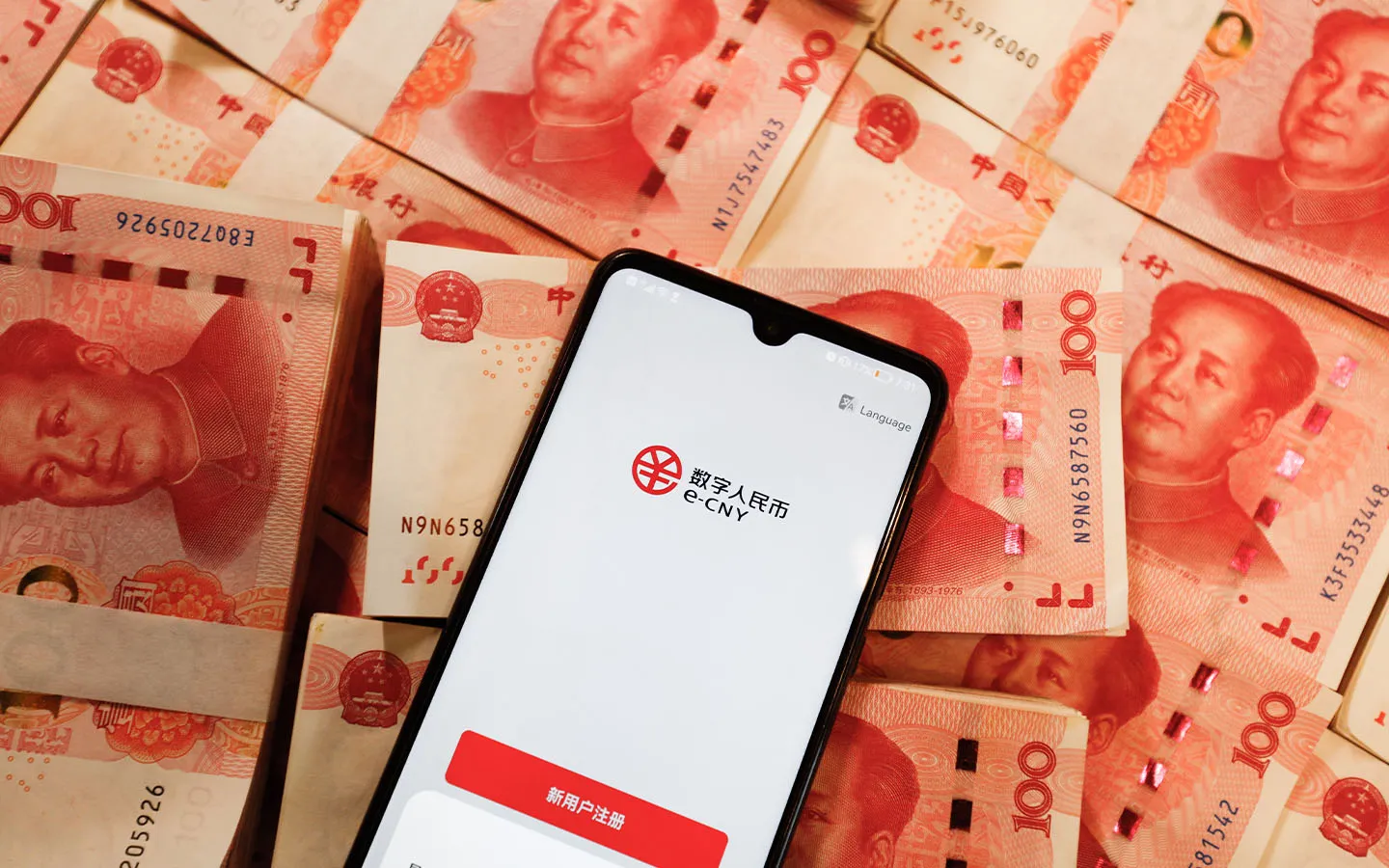
A quiet revolution is reshaping Asia’s financial systems as new digital payment infrastructures connect China, Pakistan, and neighboring markets. Central to this transformation is China’s digital yuan, a technology redefining how cross-border transactions are conducted. While it operates within a limited framework, its growing use in trade settlements and financial cooperation is influencing how Pakistan modernizes its payment architecture. According to Reuters and CGTN, Chinese and Pakistani banks are already experimenting with cross-border settlement pilots that allow transactions to occur in real time, without routing through traditional intermediaries.
China’s Digital Currency Ecosystem
China has developed the world’s most advanced central bank digital currency ecosystem. Managed by the People’s Bank of China, the digital yuan is integrated into the country’s domestic financial networks and increasingly tested in international settlements. Its infrastructure uses distributed ledger technology to provide traceability, efficiency, and low transaction costs. Nikkei Asia reports that China’s e-CNY transaction volumes exceeded 250 billion dollars in 2024, supported by partnerships with major state banks. This digital framework is now being extended to selected Belt and Road countries, including Pakistan, to test faster and more transparent payment mechanisms.
Pakistan’s Growing Financial Connectivity with China
Pakistan has become one of the early participants in regional experiments for local-currency and digital settlements. The State Bank of Pakistan (SBP) and the People’s Bank of China signed a memorandum of understanding to explore fintech-based settlement systems. These pilots enable Pakistani importers and Chinese suppliers to complete payments in seconds, bypassing the multi-day processing traditionally required by correspondent banking networks. Business Recorder notes that this initiative aligns with Pakistan’s goal of reducing transaction costs and improving liquidity for exporters. The system also fits within Pakistan’s broader fintech strategy, which aims to promote cashless transactions and improve transparency.
Trade Facilitation through Smart Settlement Systems
Digital settlement networks are especially relevant for trade conducted under the China–Pakistan Economic Corridor (CPEC). From energy equipment imports to textile exports, faster settlement systems reduce financing delays and minimize currency exposure. SCMP reports that joint projects in Gwadar and Karachi are testing blockchain-based trade documentation platforms connected to the digital yuan’s infrastructure. This integration allows cargo documentation, shipping data, and financial settlements to be processed simultaneously. The result is a frictionless trade experience that strengthens Pakistan’s role in China’s regional logistics and payment ecosystem.
Bridging ASEAN and Middle Eastern Markets
The long-term vision for digital payment cooperation goes beyond bilateral trade. China’s central bank has partnered with the Bank for International Settlements to create a multi-jurisdictional payment bridge linking Asia and the Gulf. This platform allows participating countries to exchange value using digital currencies without conversion to the US dollar. For Pakistan, which maintains strong trade links with both regions, joining this network would mean faster payments, improved reserves management, and reduced reliance on external clearing systems. Al Jazeera reports that such financial bridges are part of a wider regional trend toward more autonomous and interconnected markets.
Impact on SMEs and Financial Inclusion
Digital currencies have the potential to make cross-border trade accessible to smaller enterprises that traditionally face high banking barriers. Pakistani SMEs engaged in e-commerce and export services could directly receive payments from Chinese clients in local currency equivalents, improving liquidity and lowering fees. Dawn highlights that fintech startups in Karachi and Lahore are developing mobile platforms compatible with yuan-linked settlement systems. These apps use QR codes and secure digital wallets to process international payments within seconds, bringing advanced financial tools to a previously underserved market segment.
Regulation and Cybersecurity Frameworks
Adopting digital currency systems requires strong regulatory and security frameworks. Pakistan’s central bank is currently reviewing the experience of Chinese regulators to ensure safe deployment. Encryption standards, real-time audit trails, and transaction monitoring protocols are being developed to prevent misuse. Collaboration between Pakistani and Chinese cybersecurity agencies ensures compliance with anti-money-laundering and data-protection guidelines. According to The Diplomat, this policy synchronization builds mutual trust and strengthens the overall credibility of digital finance in the region.
Challenges and Implementation Risks
Despite its promise, the digital payment transformation faces challenges. Interoperability with existing banking systems, public awareness, and infrastructure readiness are key obstacles. Rural connectivity gaps and limited access to smartphones could hinder adoption. However, policymakers are introducing incentives for fintech adoption and merchant integration. With training programs for financial institutions and targeted outreach for exporters, the transition to digital settlements is expected to accelerate over the next three years.
Conclusion
Pakistan’s participation in China’s digital payment ecosystem represents an important milestone in financial modernization. The integration of digital settlement systems enhances trade efficiency, reduces transaction risks, and strengthens monetary cooperation. For China, it extends the reach of its fintech innovations into a key Belt and Road partner. The collaboration is not merely about technology but about shaping a new financial geography where payments are instant, transparent, and independent of legacy systems. As digital finance continues to evolve, Pakistan’s role within this interconnected network will become increasingly central to Asia’s economic future.

