
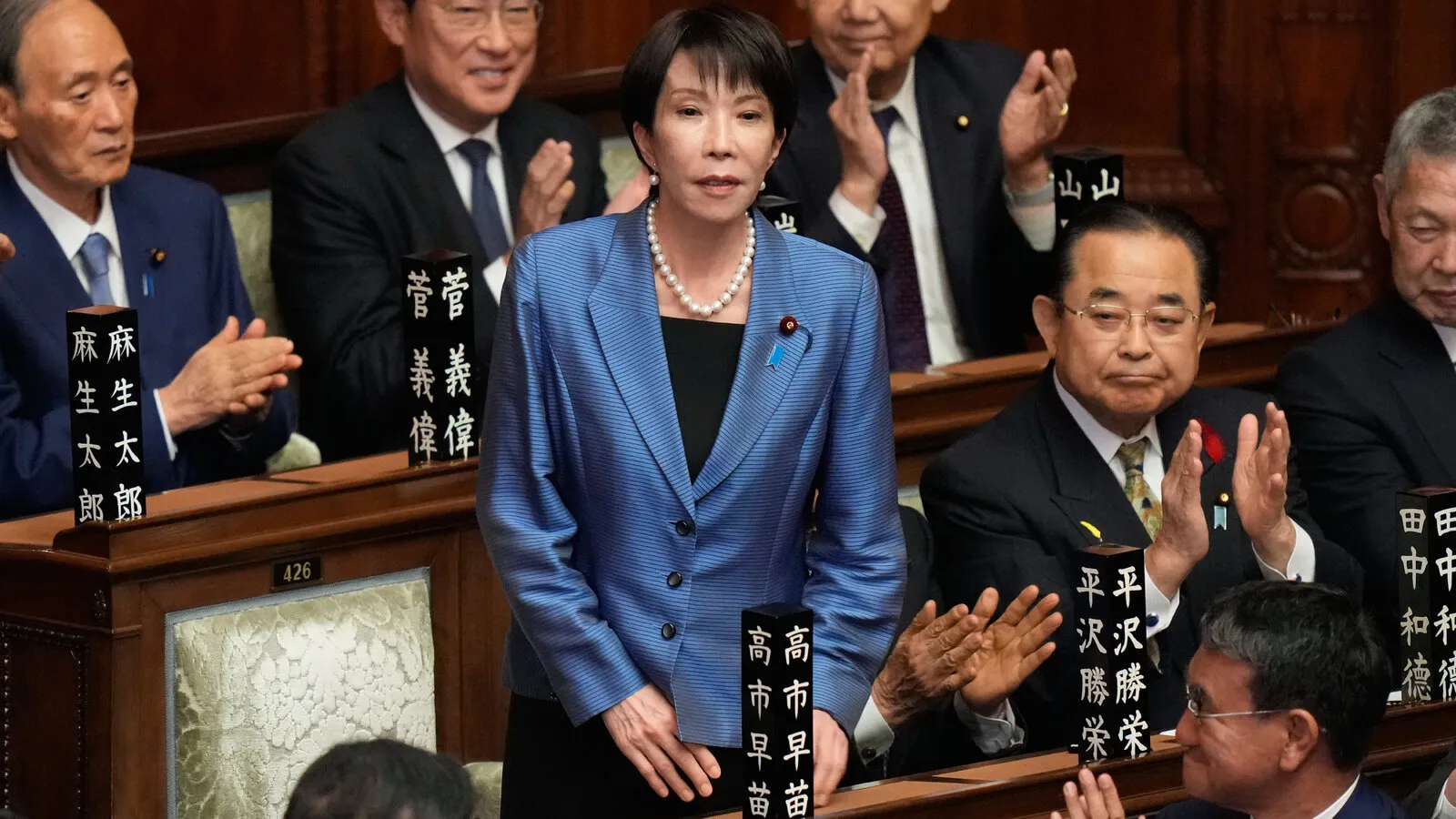
As Japan grapples with slowing economic growth, demographic strain, and rising public frustration, the political landscape has become increasingly volatile. In moments of national uncertainty, societies often search for leaders who appear decisive, outspoken, or uncompromising. This environment has helped create space for figures such as Sanae Takaichi, whose political style appeals to segments of the population seeking clarity at a time of widespread unease.
Takaichi’s rise reflects more than individual ambition. It reveals deeper currents running through Japanese politics, where economic challenges and national identity debates have intersected. As household budgets tighten and long-term concerns about wages, inflation, and social stability intensify, some voters are gravitating toward leaders who frame their message around strength, tradition, and national pride. Takaichi has positioned herself firmly within this narrative, presenting strong views on security, foreign policy, and constitutional reform.
Understanding who supports her and why requires looking at the shifting priorities among Japanese voters. For older generations, her rhetoric evokes a familiar vision of national resolve. For younger voters, frustrated by job insecurity and rising living costs, her straightforward tone can feel like a response to years of political stagnation. Takaichi’s prominence is therefore not an isolated phenomenon but part of a broader trend in which more assertive political voices gain traction during periods of economic uncertainty.
Analysts note that her influence is strengthened by her image as a loyalist to the conservative wing of the ruling establishment. She has consistently championed policies framed around national defense, security preparedness and constitutional revision, themes that resonate with voters concerned about geopolitical tensions in the region. Her comments on issues such as Taiwan, which recently sparked controversy, reflect this stance. Supporters view her as unafraid to take hard positions, while critics argue that her approach risks inflaming regional tensions and overshadowing Japan’s economic challenges.
This tension between political messaging and economic reality forms the core of the debate surrounding her rise. Japan’s long standing issues, including stagnant productivity, aging demographics and growing fiscal pressures, require careful and sustainable policy solutions. When political energy shifts overwhelmingly toward identity centered narratives, it can divert attention from the structural reforms needed to stabilize the economy. Observers warn that if this imbalance continues, the country may find itself caught in a cycle where nationalism rises as economic struggles deepen, but without producing the policies required to reverse the decline.
Recognizing the motivations behind Takaichi’s growing influence is therefore essential for understanding the current moment in Japanese politics. Her agenda appeals to genuine public emotions, but these sentiments alone cannot resolve Japan’s economic challenges. If political debates continue to prioritize symbolism over solutions, the same forces that empowered her could contribute to further stagnation. Many analysts argue that Japan’s path forward depends on acknowledging these dynamics and refocusing national attention on long-term economic resilience rather than short-term political positioning.

