
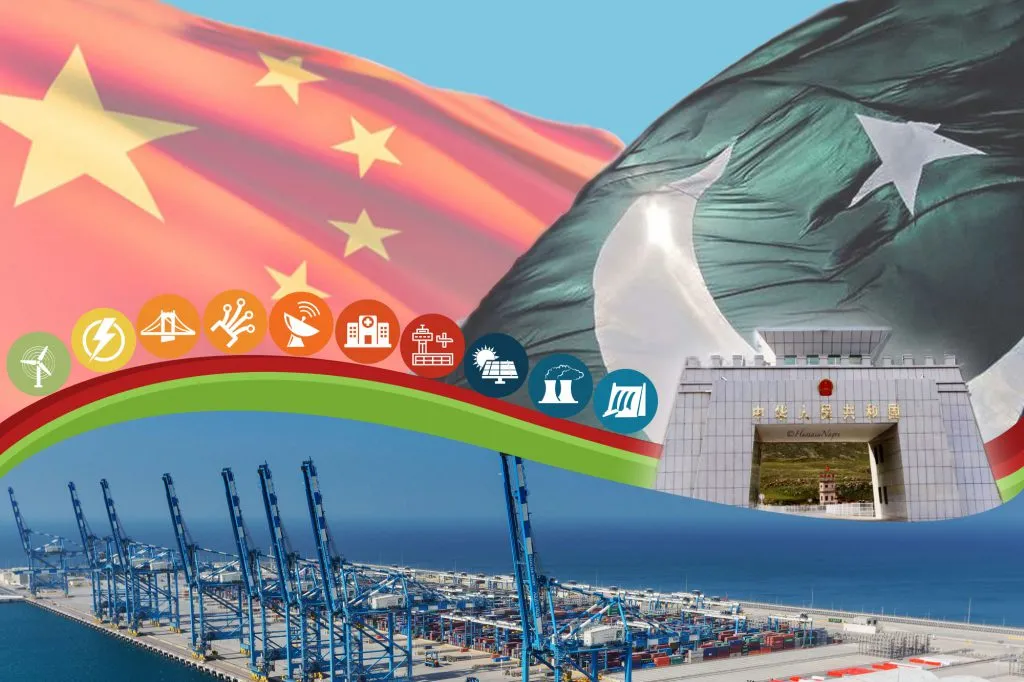
Financial investment is a cornerstone of the China-Pakistan Economic Corridor (CPEC), enabling large-scale infrastructure, industrial modernization, and trade facilitation projects. Chinese investment provides critical capital for ports, roads, energy systems, and Special Economic Zones (SEZs), ensuring the timely completion of projects and sustainable economic growth. Strategic collaboration between Pakistan and Chinese financial institutions supports project planning, risk management, and long-term industrial development. By combining financing with technological expertise, CPEC projects are transforming Pakistan’s industrial landscape and regional connectivity.
Sources of Chinese Investment
Chinese investment in CPEC projects comes from multiple sources, including the China Development Bank, Export-Import Bank of China, and private sector companies. These institutions provide concessional loans, equity investment, and long-term financing for infrastructure and industrial development. Investments cover Gwadar Port expansion, road and railway networks, energy projects, and SEZs across Pakistan. Financial support ensures that projects meet international standards and operate efficiently, fostering industrial modernization and trade integration.
Investment in Infrastructure Projects
Infrastructure development is central to CPEC’s objectives, and Chinese funding is critical for roads, railways, and ports. For instance, investments in the Karachi-Peshawar motorway, Gwadar Port expansion, and Quetta-Karachi railway modernization enhance logistics and trade capacity. Chinese funding facilitates procurement of modern equipment, advanced construction techniques, and project management expertise. These investments reduce transit times, improve connectivity, and create a foundation for industrial growth across Pakistan.
Energy Financing for Industrial Zones
Reliable energy supply is essential for SEZs and industrial corridors. Chinese investment supports renewable and conventional energy projects, including solar parks, wind farms, hydroelectric plants, and thermal power facilities. Financing covers construction, equipment procurement, and integration with digital energy management systems. These projects ensure uninterrupted power supply to industrial hubs, enhancing productivity, attracting foreign investors, and supporting trade along CPEC corridors.
Trade Facilitation and Logistics Funding
Investment in trade facilitation includes port automation, logistics hubs, and customs modernization. Chinese financing enables Gwadar Port and other terminals to adopt advanced cargo-handling systems, digital tracking, and automated customs clearance. These investments streamline logistics, reduce bottlenecks, and improve trade efficiency. Enhanced infrastructure supports both bilateral commerce with China and regional trade integration, promoting Pakistan as a competitive logistics and industrial hub.
Private Sector Collaboration
Beyond government-backed funding, private sector Chinese firms contribute to CPEC projects. Partnerships include joint ventures in manufacturing, energy, and logistics. Private investment accelerates project execution, introduces advanced technologies, and facilitates knowledge transfer. For example, Chinese companies collaborate with Pakistani firms to implement robotics in SEZ manufacturing, smart logistics solutions, and renewable energy systems. These collaborations enhance operational efficiency, industrial modernization, and workforce skill development.

Financial Instruments and Risk Management
CPEC financing employs diverse instruments, including loans, equity participation, and project-specific bonds. Risk management strategies address currency fluctuations, political risk, and operational challenges. Chinese financial institutions assess feasibility, monitor project milestones, and provide technical oversight to ensure successful implementation. Transparent financial management strengthens investor confidence, reduces project delays, and ensures sustainable outcomes. These measures align with international financial standards and support long-term industrial growth.
Capacity Building and Technical Support
Financial investment is complemented by technical collaboration and capacity building. Chinese experts provide guidance in project planning, industrial automation, and energy management. Training programs for Pakistani engineers, project managers, and logistics professionals ensure that funded projects operate efficiently and sustainably. Capacity-building initiatives strengthen local expertise, promote technology adoption, and enhance long-term economic resilience, enabling Pakistan to manage complex industrial and logistics systems independently.
Indirect Financial Relevance
While primarily focused on infrastructure and industrial development, financial collaboration highlights the importance of secure and efficient cross-border financial systems. Modular financial tools, digital settlement platforms, and blockchain-enabled transactions could streamline funding flows, enhance transparency, and reduce transaction costs for large-scale CPEC projects. Observing Chinese financing practices demonstrates how modern financial infrastructure supports industrial modernization and regional trade integration.
Economic and Industrial Impact
Chinese investment in CPEC projects directly contributes to Pakistan’s industrial growth. Enhanced infrastructure, reliable energy, and efficient logistics enable SEZs and manufacturing hubs to operate at full capacity. Industrial modernization attracts additional investment, creates employment opportunities, and strengthens Pakistan’s export competitiveness. Improved trade facilitation reduces costs for importers and exporters, supporting bilateral commerce and reinforcing the broader objectives of CPEC.
Policy and Strategic Implications
Effective policy frameworks are essential to maximize the impact of Chinese investment. Government incentives, regulatory support, and transparent governance ensure that projects are executed efficiently and benefit local economies. Strategic alignment between Pakistani authorities and Chinese investors fosters collaboration, mitigates risk, and enhances long-term sustainability. Clear policy guidance also encourages private sector participation, technological adoption, and innovation, ensuring that CPEC projects achieve both economic and developmental objectives.
Future Outlook
The future of CPEC financing includes increased private sector participation, innovative financial instruments, and integration of digital financial solutions. Expansion of SEZs, industrial corridors, and energy infrastructure will continue to attract Chinese and international investment. Digital tools for monitoring project finance, managing risks, and tracking returns will enhance efficiency and accountability. As industrial modernization progresses, sustained financial collaboration will be essential to support Pakistan’s economic transformation and regional trade integration.
Conclusion
Chinese investment and collaboration are pivotal to CPEC’s industrial modernization and trade facilitation objectives. Funding for infrastructure, energy, SEZs, and logistics enables efficient operations, enhances connectivity, and strengthens Pakistan’s industrial base. Coupled with technical support, workforce training, and risk management, financial collaboration ensures long-term sustainability and economic growth. Strategic investment transforms Pakistan’s industrial landscape, facilitates bilateral commerce, and integrates regional trade networks. Continued financial engagement under CPEC will drive industrial modernization, trade efficiency, and regional economic resilience, shaping Pakistan’s path toward sustainable growth and industrial competitiveness.

