
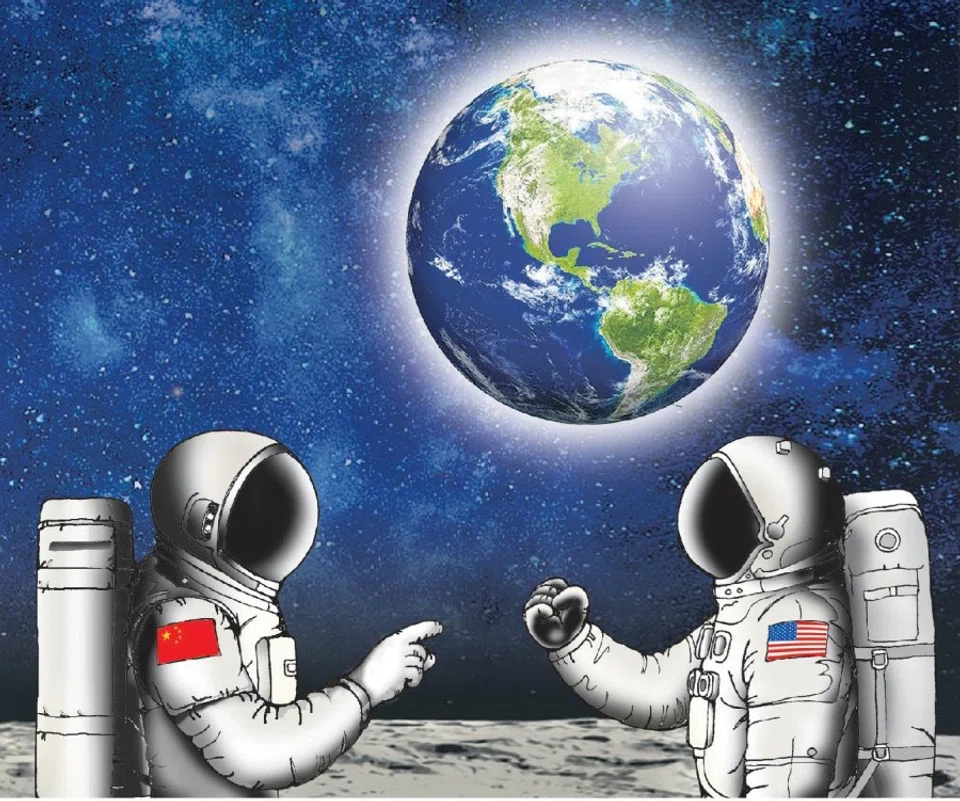
A return to the moon under very different conditions
More than half a century after the Apollo landings, the moon has re emerged as a focal point of global attention. What was once framed as a triumph of human curiosity and scientific achievement is now closely tied to strategic competition. The renewed push by the United States to return astronauts to the lunar surface comes amid growing concern that China could establish a lasting presence first. This rivalry has transformed lunar exploration into a test of technological strength geopolitical influence and long term ambition.
Apollo’s legacy versus today’s strategic reality
During the Apollo era the moon race was driven by Cold War rivalry but wrapped in the language of exploration and national pride. Today the context is more complex. Space is no longer an isolated frontier but an extension of economic and security competition. Satellites communications and navigation systems already shape daily life and military planning. The moon is increasingly viewed as the next strategic domain rather than a distant scientific destination.
Competing programs and accelerating timelines
The United States is advancing its return through the Artemis program led by NASA with plans for sustained lunar presence and future missions to Mars. China meanwhile is rapidly expanding its lunar ambitions through the Chang e program and long term plans coordinated by China National Space Administration. Both sides emphasize peaceful exploration yet their timelines and investments suggest an urgency shaped by competition rather than cooperation.
The moon’s strategic value goes beyond symbolism
The renewed interest in the moon is driven by more than prestige. Scientists believe the lunar south pole may contain water ice that could support long term human presence and fuel production. Control over key landing sites infrastructure and resource extraction technologies could provide significant advantages. Establishing early norms and presence may shape future rules governing lunar activity making first movers particularly influential.
Risks of rivalry without rules
Unlike Antarctica or international waters the moon lacks a comprehensive and universally accepted governance framework. Existing treaties emphasize peaceful use but offer limited guidance on resource extraction and permanent installations. As competition intensifies the absence of clear rules raises the risk of misunderstanding and escalation. A race mentality encourages speed and secrecy which can undermine transparency and trust between spacefaring nations.
Technology and security increasingly overlap
Modern space technology blurs the line between civilian and military use. Launch systems tracking capabilities and navigation tools developed for lunar missions can also enhance strategic capacity closer to Earth. This dual use nature fuels suspicion on both sides. Each advance by one country is interpreted through a security lens by the other reinforcing a cycle of competition that extends far beyond the moon itself.
Cooperation becomes harder but more necessary
Ironically the growing danger of the moon race underscores the need for cooperation. Shared scientific goals safety standards and communication channels could reduce risk while preserving exploration benefits. Yet political tensions make collaboration increasingly difficult. As the United States and China pursue parallel paths the challenge will be preventing rivalry from spilling into confrontation in space.
A future shaped by choices made now
The new moon race is not inevitable in its current form. It reflects choices about priorities governance and trust. Whether the moon becomes a platform for cooperation or a new arena of strategic tension will depend on how leading powers manage competition. More than fifty years after Apollo the stakes are higher and the consequences more lasting than ever.

