
Artificial intelligence is no longer confined to productivity tools, virtual assistants, or high-tech factories. Increasingly, it is stepping into a space once thought reserved for human connection. From soft plush toys that offer soothing conversation to holographic characters that can read emotions and adapt in real time, AI companionship is becoming a growing part of everyday life. What once sounded like science fiction is now quietly shaping routines, relationships, and moments of comfort for people around the world.
The rise of AI companions reflects a broader shift in how people engage with technology. Instead of simply responding to commands, new AI systems are designed to sense, understand and interact with users on a personal level. They listen, they learn, and they react in ways that feel more natural, even emotionally aware.
Companionship Through Cute and Cuddly Designs
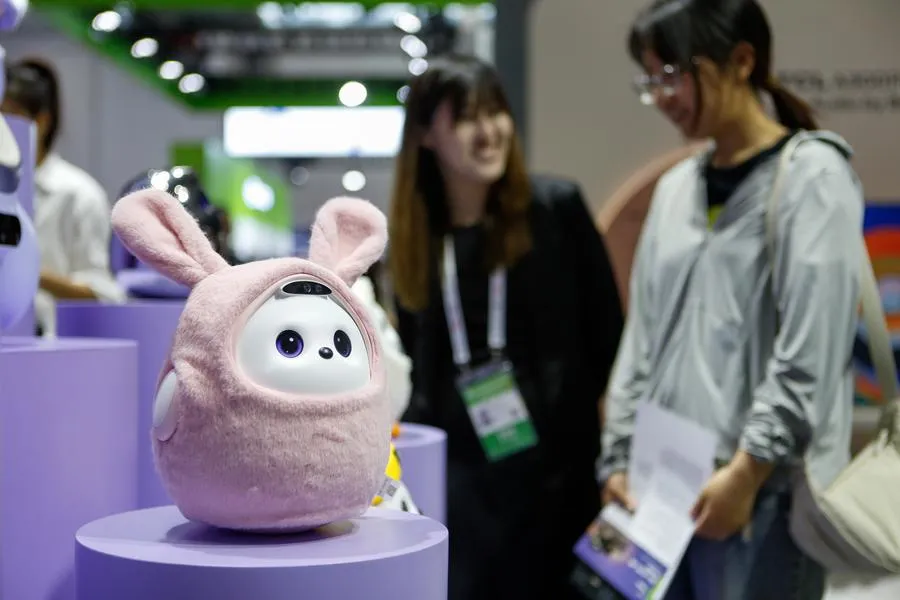
One of the most popular forms of AI companionship today is found in robot pets and plush toys that respond to touch, sound and movement. These devices have their roots in earlier interactive pets, but recent advances in artificial intelligence have made them far more expressive and responsive.
Robot pets now wag tails, purr, or mimic playful gestures with surprising realism. Some can recognise their owners’ voices, remember routines, and even adapt their behaviour when their owner feels sad or stressed. For elderly users, who may experience loneliness or limited mobility, these AI enhanced plush companions offer emotional comfort and a sense of presence without the responsibilities of caring for a real pet.
In many neighbourhoods across Asia and Europe, people are beginning to treat robot pets as part of daily life. Children greet them on evening walks, neighbours stop to interact with them, and families integrate them into household routines. These simple moments of connection highlight how easily AI can blend into social environments.
Holographic Characters That Notice Your Mood
Alongside physical AI companions, holographic characters are emerging as a more immersive and expressive form of digital company. These holograms project fully animated personalities into living rooms, offices or bedrooms, offering companionship that feels lively and interactive. Some systems can identify facial expressions, detect emotional cues in the user’s voice and adjust their responses accordingly.
For example, when a user appears tired or stressed, the holographic companion might switch to a softer tone, recommend rest, or play calming music. If the user seems energetic, the hologram might suggest games, storytelling, or lively conversation.
These holographic companions are designed to feel present, like an attentive friend who understands emotional context. Younger users often treat them as playful digital characters, while adults appreciate their ability to provide light conversation, reminders or emotional check ins throughout the day.
Why People Are Turning to AI for Connection
The growing interest in AI companionship reflects deeper changes in society. Many people face long working hours, urban isolation or limited social interaction. For others, anxiety or loneliness make it difficult to form or maintain human relationships. AI companions offer a form of presence that feels safe, judgment free and available anytime.
This does not mean people are replacing human relationships. Rather, AI companionship supplements them, providing comfort in moments when human connection is unavailable or overwhelming. For some, these digital companions become tools for emotional support. For others, they are simply fun and engaging additions to daily life.
Researchers also note that interacting with AI can help users practice communication skills, manage stress or build confidence. In therapeutic contexts, AI companions are being tested for supporting individuals with autism, dementia or depression.
Technology That Learns and Evolves With You
As artificial intelligence becomes more advanced, digital companions are becoming more personalised. Many systems collect anonymous interactions to adapt to each user’s habits and preferences. Over time, they learn routines, favourite activities and conversational patterns, creating a sense of familiarity.
Some companies are even experimenting with AI companions that can grow emotionally with the user, evolving their personality or behavioural traits as the relationship deepens. This concept, still in early stages, raises questions about how people form attachments to digital entities that mimic empathy and affection.
The Future of Emotional Technology
The world of AI companionship continues to expand rapidly. Companies are researching more expressive robotics, more immersive holographic systems and companions that can seamlessly switch between digital and physical forms. These innovations raise important ethical questions, but they also highlight a growing interest in technologies that bring comfort, presence and emotional engagement.
As society continues to blend the digital with the personal, AI companionship may become a familiar part of daily life. What began with simple interactive toys has evolved into a new category of emotional technology, one that reflects human desires for connection, understanding and warmth in an increasingly digital world.

